Unit 4 - Food preparation
4.4.2. Methods of food preparation (Tips for texture‐modified foods cooking)
4.4.5. Ready-to-eat texture modified foods
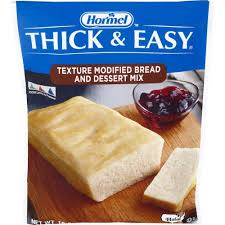
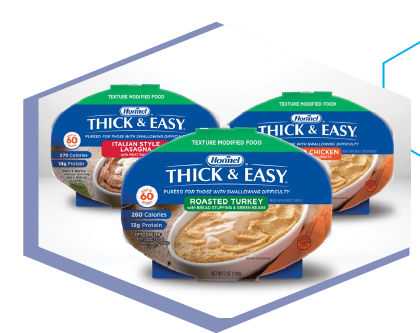
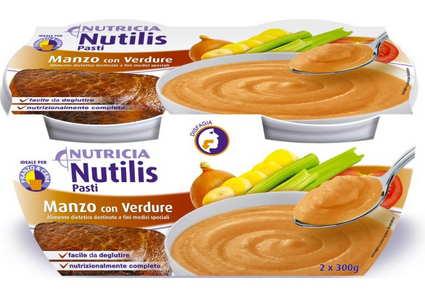
Foods specifically targeted to patients with dysphagia have undergone a great evolution in recent years.
The food industry has developed a multitude of products for these patients, such as cereal-based breakfasts and snacks, dairy posters or fruit compotes and, above all, pureed textured foods for main meals.
 Source:
Hormel Health Labs
Source:
Hormel Health Labs
 Source:
Nuticia Healthcare
Source:
Nuticia Healthcare
The purees, although similar in their nutritional characteristics, have different technical and preparation characteristics. In general, these products have a long shelf life, the preparation in the kitchen is faster and easier than the traditional elaboration of texturized products, they have a greater hygienic guarantee and the adequacy to the nutritional needs is greater. Their main disadvantage is the price.
They can be presented in various formats according to the technology used for their production.
Dehydrated
They are reconstituted with water and incorporate modified starch as texturizers.
Freeze-dried
They are reconstituted following the manufacturer's instructions and usually contain potato starch.
Pasteurized
They should be kept refrigerated and after opening should be consumed within a few days. They have a high nutritional and sensory quality.
Sterilized
They usually incorporate modified starch and maltodextrins. Due to the heat treatment of sterilization, some vitamins may be lost and the color and flavor may be affected.