Unit 4 - Food preparation
4.1. Introduction to texture‐modified foods and beverages for dysphagia diets
4.1.3.2. Desired characteristics of dysphagia foods _ More than texture
Not only texture is important for dysphagia foods. Some other aspects should be considered.
Foods with a definite taste or aroma are preferable.
As water is added when foods are processed in a blender, and this may dilute their taste. The use of flavored sauces or other condiments may be advisable.
Foods should present an uniform density.
Chunky soups, rice porridge and other lumpy foods, or foods that contain a mixture of liquids and solids are not suitable, and caution is therefore required.
Temperature of foods also matters.
Foods should be either cold or hot. Items that are the same temperature as the skin are difficult to perceive when placed in the mouth, making it less likely that the swallowing reflex will occur.
Foods should have a pleasant appearance and flavour.
The perception of characteristics considered attractive of the dishes through the 5 senses may result in increased salivation and facilitate swallowing in some cases.
A good appearance can also contribute to the improvement of cognitive and neurological aspects (See Image 1).
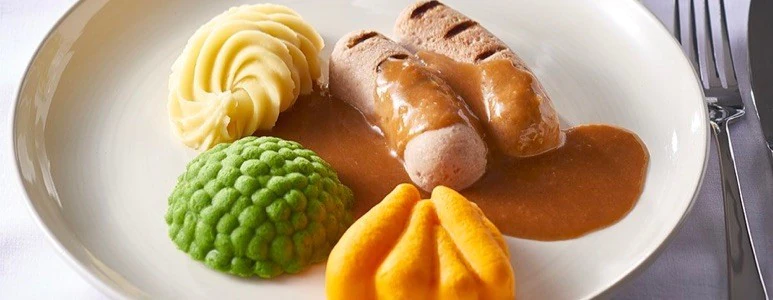
Image 1. Presentation of texture-modified food. Source: Unilever Food Solutions