Unit 4 - Food preparation
4.1. Introduction to texture‐modified foods and beverages for dysphagia diets
4.1.3.1. Grades, scales and need of standardization texture modified food
The International Dysphagia Diet Standardization Initiative (IDDSI) has been adopted by healthcare professionals all around the world.
The IDDSI Framework provides a common terminology to describe levels of food texture and drink thickness
Different levels of modification (8 levels) were established in order to meet the different needs (See Figure 1)
These 8 levels are defined by colour, number and name.
IDDSI provides a description of each level, along with instructions for easy, reliable and accessible methods to test different foods and drinks.
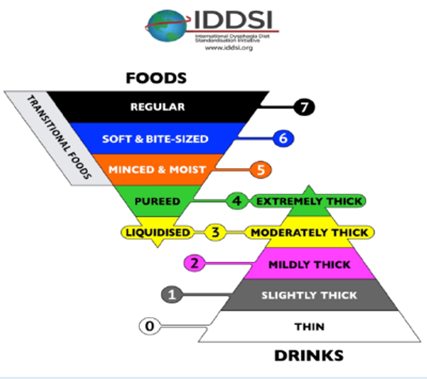
Figure 1. Levels of IDDSI. (Source: https://www.iddsi.org)
Descriptors and examples for foods classified as levels 4 to 7
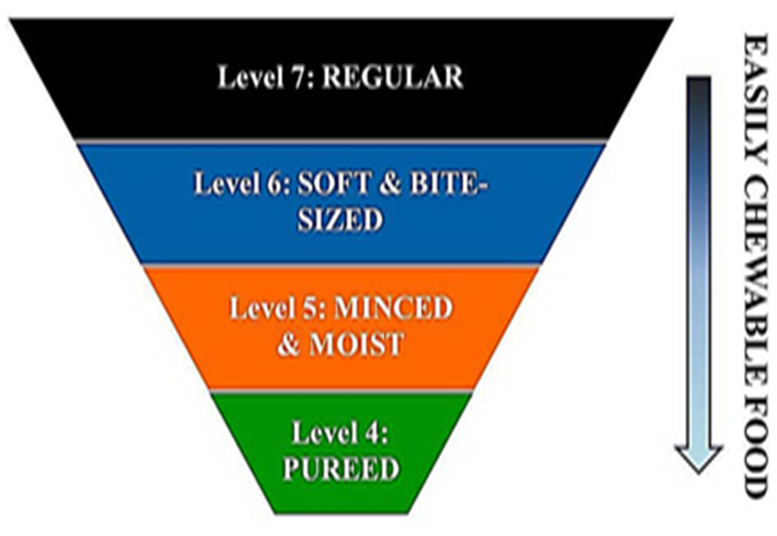
Figure 2. Foods classified as levels 4 to 7
Level 7 is regular foods with various textures (for example, hard, crunchy, and naturally soft).
Level 6 (soft and bite‐sized) foods can be mashed/broken down with pressure from fork, spoon, or chopsticks and are soft, tender, and moist throughout but with no separate thin liquid; chewing is required for this class of foods, which include cooked tender meat, cooked fish, and steamed or boiled vegetables.
Level 5 (minced and moist) represents soft and moist foods with no separate thin liquid; small lumps (of 2 to 4 mm in size) may be visible within the foods and minimal chewing is required. Level 5 foods include such items as minced meat and fish, mashed fruits, fully softened cereal, and rice (not sticky or glutinous).
Level 4 (pureed) does not require chewing, but is cohesive enough to hold its shape on a spoon; level 4 foods include such products as potato purée, carrot purée, and avocado purée.
Descriptors and examples for foods classified as levels 4 to 0
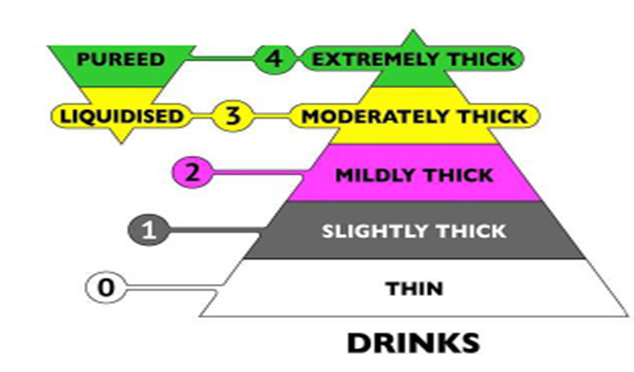
Figure 2. Foods classified as levels 4 to 0
Level 4 Extremely thick: Shows some very slow movement under gravity but cannot be poured; Falls off spoon in a single spoonful when tilted and continues to hold shape on a plate; No lumps; Not sticky.
Level 3 Moderately thick. Smooth texture with no ‘bits’; Moderate effort is required to suck through a standard bore.
Level 2 Mildly thick: Flows off a spoon; Sippable, pours quickly from a spoon, but slower than thin drinks; Mild effort is required to drink this thickness through standard bore straw.
Level 1 Slightly thick: Thicker than water; Requires a little more effort to drink than thin liquids; Flows through a straw, syringe, teat/nipple; Similar to the thickness of most commercially available ‘Anti-regurgitation’ (AR) infant formulas