Unit 4 - Food preparation
4.4.2. Methods of food preparation (Tips for texture‐modified foods cooking)
4.4.3. Choice of cooking methods and equipment
-
Carefully consider the best cooking methods to achieve the necessary texture. For example, poaching or simmering will soften ingredients, making them easier to purée.
-
You can add flavor by browning and roasting ingredients prior to poaching and simmering.
-
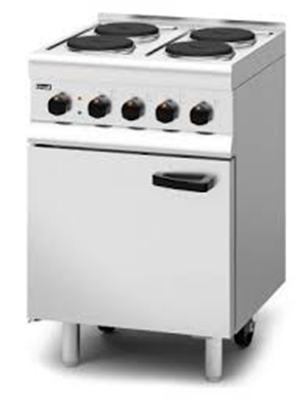
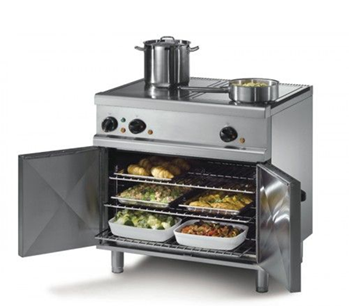
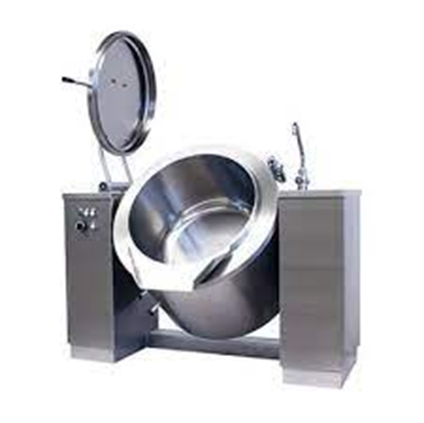
The products can be heat-treated using conventional food production equipment: ovens, boiling pans or cookers, but specialized professional equipment is more suitable for this.
(Source: https://www.iddsi.org)
Cooking Centers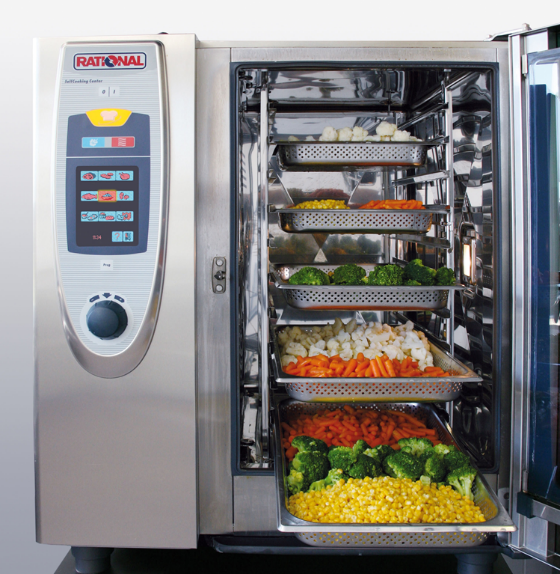
-
Self-Cooking Center makes healthy cooking quick and easy.
-
Self-Cooking Center has been developed not only to simplify the cooking procedure, but also to cook items more healthily and with less wastage than conventional cooking appliances. For example, at the touch of a button, the Self-Cooking Center cooks vegetables in an ideal ‘climate’, with exactly the right combination of wet and dry heat, to retain vital vitamins and nutrients as well as full flavour and colour.
(Source: http://www.publicityworks.biz)
For preparation puréed dysphagia food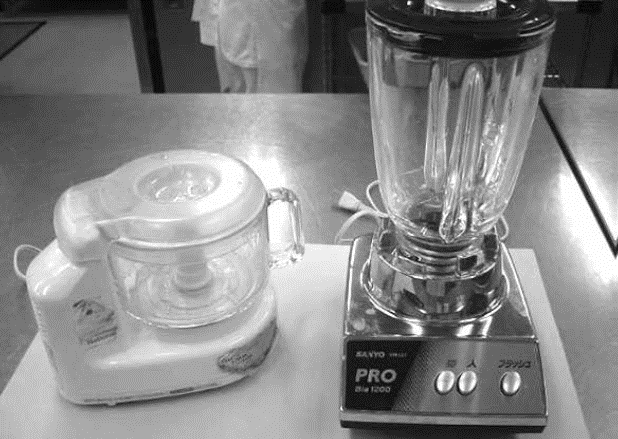
-
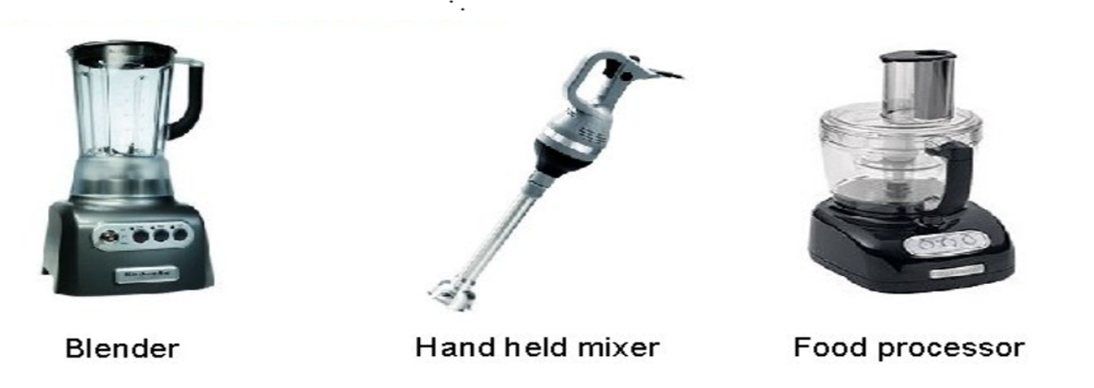
A food processor and a blender are essential for the preparation of a dysphagia diet.
-
The type of device used is determined by the type of ingredient and its quantity.
-
A food processor is frequently used for chopping and other basic preparation.
-
It may be used to grind ingredients with a low water content, or when preparing foods of a paste consistency.
-
A blender is used to blend ingredients or foods with a high water content.
-
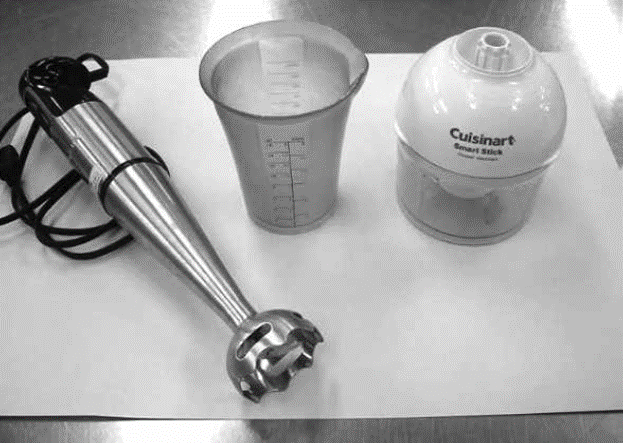
A hand blender is a useful household implement for blending small amounts.
-
It can also be used as a food processor by removing the blade and fitting it to the container that comes as part of the set.
-
Hot food breaks down more easily than cold food. So where possible, purée when it is still hot (but not boiling). Check your blender is suitable for hot food first.
-
Leave your food processer running for longer – the purée will become smoother and thicker the longer it is blended.
(Source: https://www.iddsi.org)
Professional equipment
The innovative equipment for hospital, clinic,
elderly care facility, rehabilitation center, or nursing home can
reduce labor time and increase patient satisfaction. The solutions
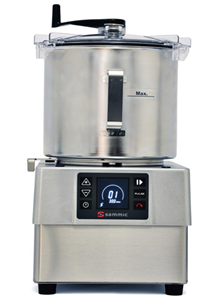
for a perfect texture include immersion blenders, turbo-liquidisers,
bowl cutters and combo appliances (vegetable slicers + bowl cutters).
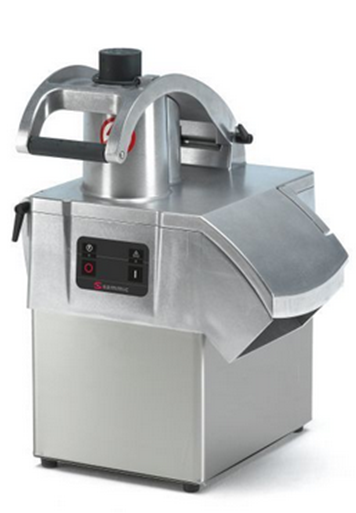
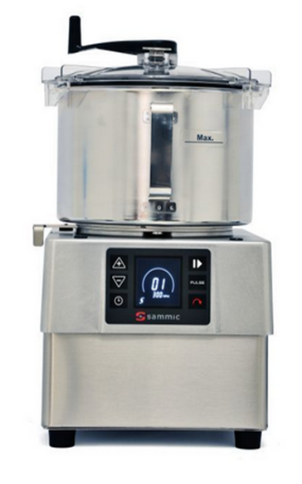
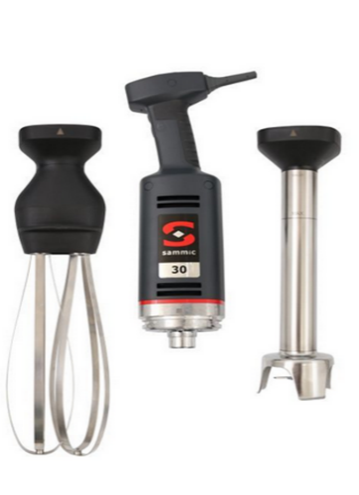
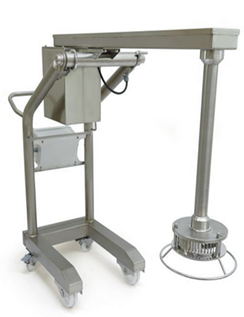




https://www.sammic.com/a/sammic-healthcare-solutions
(Source: https://www.sammic.com/a/sammic-healthcare-solutions)
To properly prepare and puree food for dysphagia patients, having the right foodservice equipment is essential. Blixers, meat grinders, emulsifiers and mixers provide versatility and can help to create food and drinks for each IDDSI.
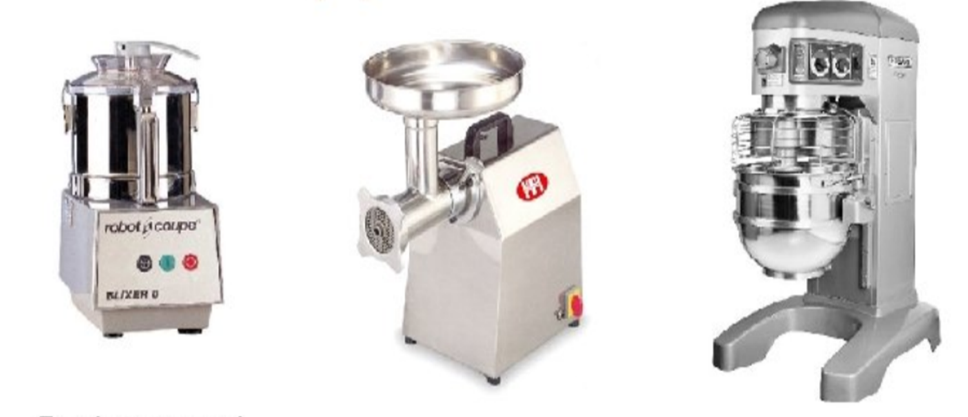


(Source: https://www.iddsi.org)
Home style equipment
(Source: https://www.iddsi.org)
Thermomix
-
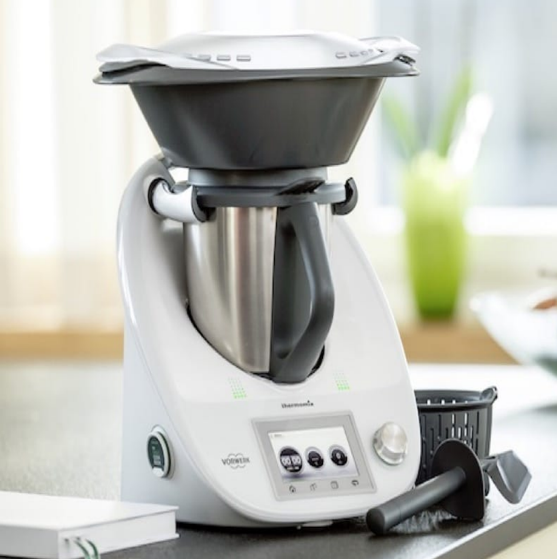
The thermomix is very suitable for the production of small quantities of pureed food.
-
Thermomix is a multi-purpose kitchen appliance. He has a heating element, a motor for fast or slow blending and stirring, and a weighing scale.
-
The functions can be accessed simultaneously to carry out steaming, emulsifying, blending, precise heating, mixing, milling, whipping, kneading, chopping, weighing, grinding and stirring.
-
Thermomix also has a touchscreen with a guided mode which allows the user to follow recipes step by step.
(Source: https://www.thermomix.com)
Paco-Jet technology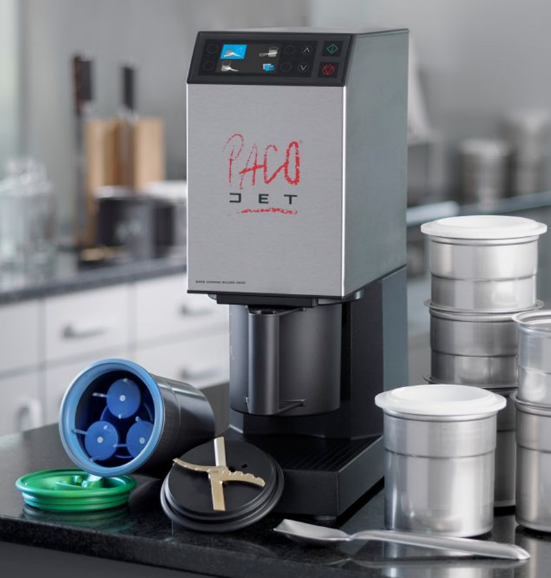
-
Pacotizing meat, starch, vegetables or fruit produces a perfectly smooth texture with natural colours and intense flavours, which can then be formed into natural food shapes. The result is a delightful meal that looks and tastes just like a normal meal from the daily menu.
-
Your need: Select and roughly chop ingredients; Top up with liquid to eliminate empty cavities and ensure a flat surface; Freeze at -22° C (-8° F) for at least 24 hours; Attach beaker to the Pacojet and pacotize the amount required; Complete recipe, Heat to required temperature and thicken.
(Source: http://www.pacojet-care.com/care-en/showcases/pacojetworkflow.php)
Sous Vide method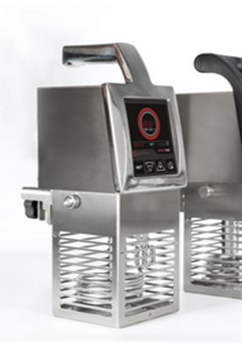
-
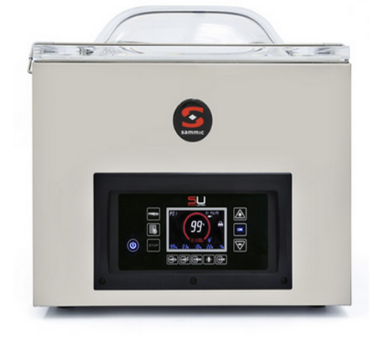
Sous-vide solutions are ideal for low, to no touch cooking and bulk re thermalizing.
-
Healthcare operations of all sizes implement sous-vide stations adjacent to cooking lines to better control the flow of food to decrease patient wait time.
-
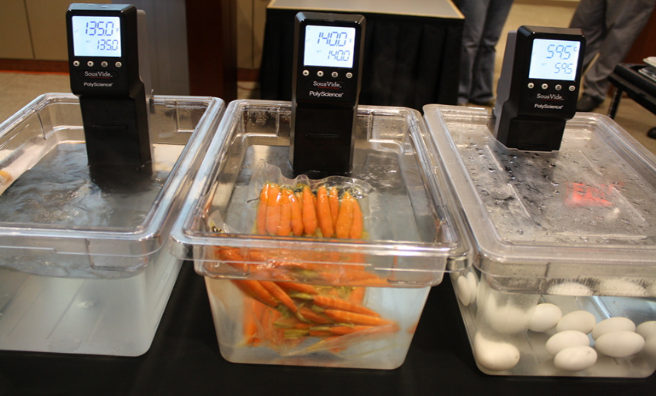
Sous vide, which means “under vacuum” in French, refers to the process of vacuum-sealing food in a bag, then cooking it to a very precise temperature in a water bath. This technique produces results that are impossible to achieve through any other cooking method.
-
Equipment required: vacuum machine, circulation bath Immersion circulators.
(Source: https://anovaculinary.com/what-is-sous-vide/)
Freezing and reheating tips
-
When freezing ensure the food is cooled to 8°C within 90 minutes before putting in the freezer.
-
Freeze in small batches that are well wrapped.
-
If using molds, freeze and then decant from the molds and store in sealed containers.
-
Defrost fully before reheating.
-
For best results steam to reheat — wrap in cling film to protect.
Source: designed by Canva Pro