Unit 3 - Diet and nutritional treatment approach for dysphagia
3.2.7. Additional products to use
Some additional products to use to prepare meals are:
✔ Thickeners – powders and liquid;
✔ Ready-to-drink thickened drinks and drink mixes;
✔ Convenience pureed foods;
✔ Foods Mixes;
✔ Protein/calorie food enhancers;
-
Viscosity or "thickness"
Thicker (more viscous) foods are generally easier and safer to swallow than thinner foods as the risk of fluids going down "the wrong way" into the lungs is reduced.
For many, enjoying a glass of wine with friends and relatives is an important part of life and an essential part of celebrations. Many with dysphagia feel the same. We’ve therefore used our know-how creating drinks for healthcare to make alike drinks safer to swallow.
Ingredients for these are: Xanthan Gum, Maltodextrin, Erythritol.

Source: designed by Canva Pro
-
Ready-to-eat/drink products

“Baby food” for adults. They are a lot less stressful for you and the dysphagic patient who is often very embarrassed by not being able to swallow a meal you have painstakingly prepared. They are very useful to have as a supplement or standby food.
Source:https://okdiario.com/recetas/potitos-2004131
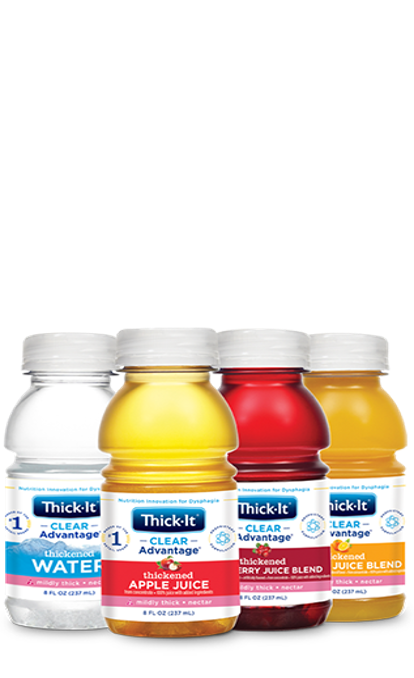 Ready-to-drink thickened drinks and drink mixes.
They are convenient and provide proper hydration for people with
swallowing disorders. For example,
Thick-It® Clear Advantage® ready-to-drink beverages are thickened
with xanthan gum so that they have the proper consistency in order to be safe and reliable for your patients.
Ready-to-drink thickened drinks and drink mixes.
They are convenient and provide proper hydration for people with
swallowing disorders. For example,
Thick-It® Clear Advantage® ready-to-drink beverages are thickened
with xanthan gum so that they have the proper consistency in order to be safe and reliable for your patients.
Source:https://thickit.com/blog/nutrition-product-category/beverages/
-
Oral nutritional supplements
A dysphagic patient often suffers weight loss and other nutritional problems, so it is almost essential to enrich the diet in some way. Almost anything you add to any food will effectively augment its nutritional value. Although enrichment items tend to be protein based, dysphagic patients’ diet may also lack other nutrie nts.
Depending on nutritional requirements and meal replacement needs, doctors may recommend taking something more to help with the overall health and well being.
A supplement may be an individual nutrient, such as protein or fiber, or it may be a food or meal replacement, such as a fortified drink.
Oral nutritional supplements are products manufactured by the pharmaceutical industry. They are developed with the purpose of being administered to people with deficient nutritional needs. They are only prescribed by a health professional in those cases where there are nutrient deficiencies, either due to insufficient intake through diet, interaction with drugs or other causes.
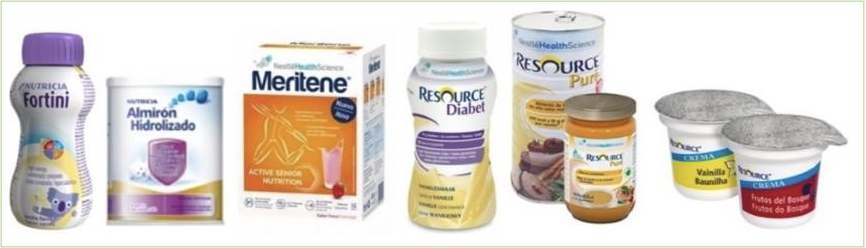
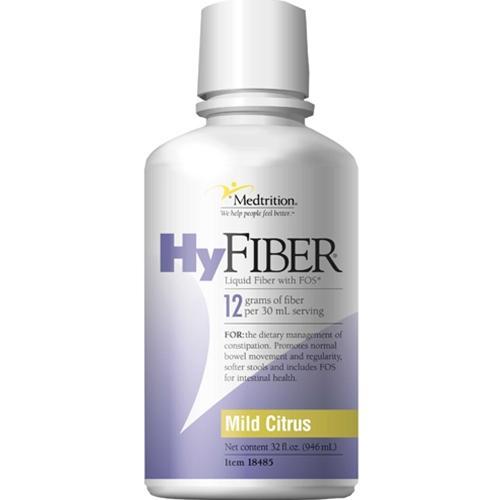
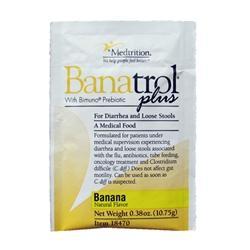
In sum, the dysphagia diet may carry a large variety of supplements, but they should only be used when there are nutrient deficiencies. There are many commercial brands and different products available to people with dysphagia who require dietary supplementation. Some examples are shown in the figure below. They are not cheap, but sometimes it is a small price to pay to ensure the dysphagic patient does not become malnourished.
https://www.nestlehealthscience.es/ https://www.nutricia.es/
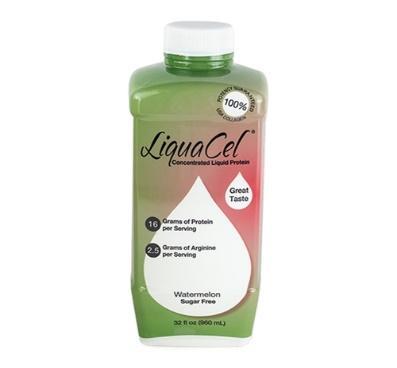
https://tesia.com.ec/hyfiber/ https://globalhp.com/shop/liquacel-liquid-protein/ https://www.nutrimedical.cl/producto/banatrol/