Unit 3 - Diet and nutritional treatment approach for dysphagia
3.2.6. Preparing meals
-
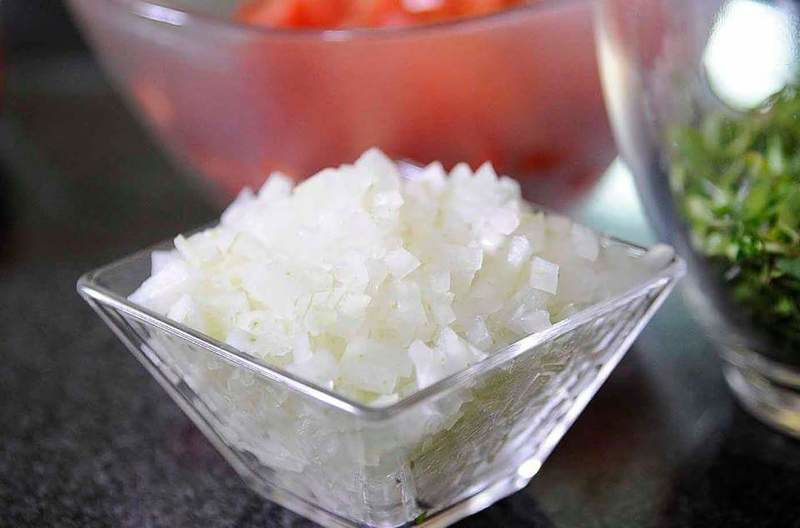
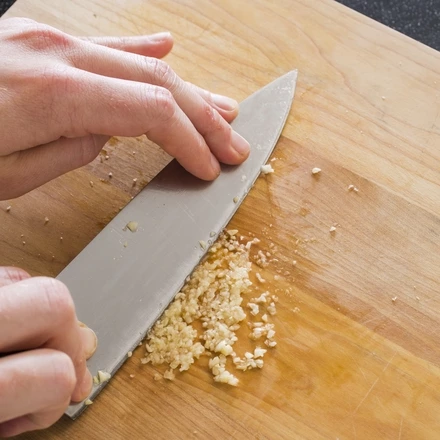
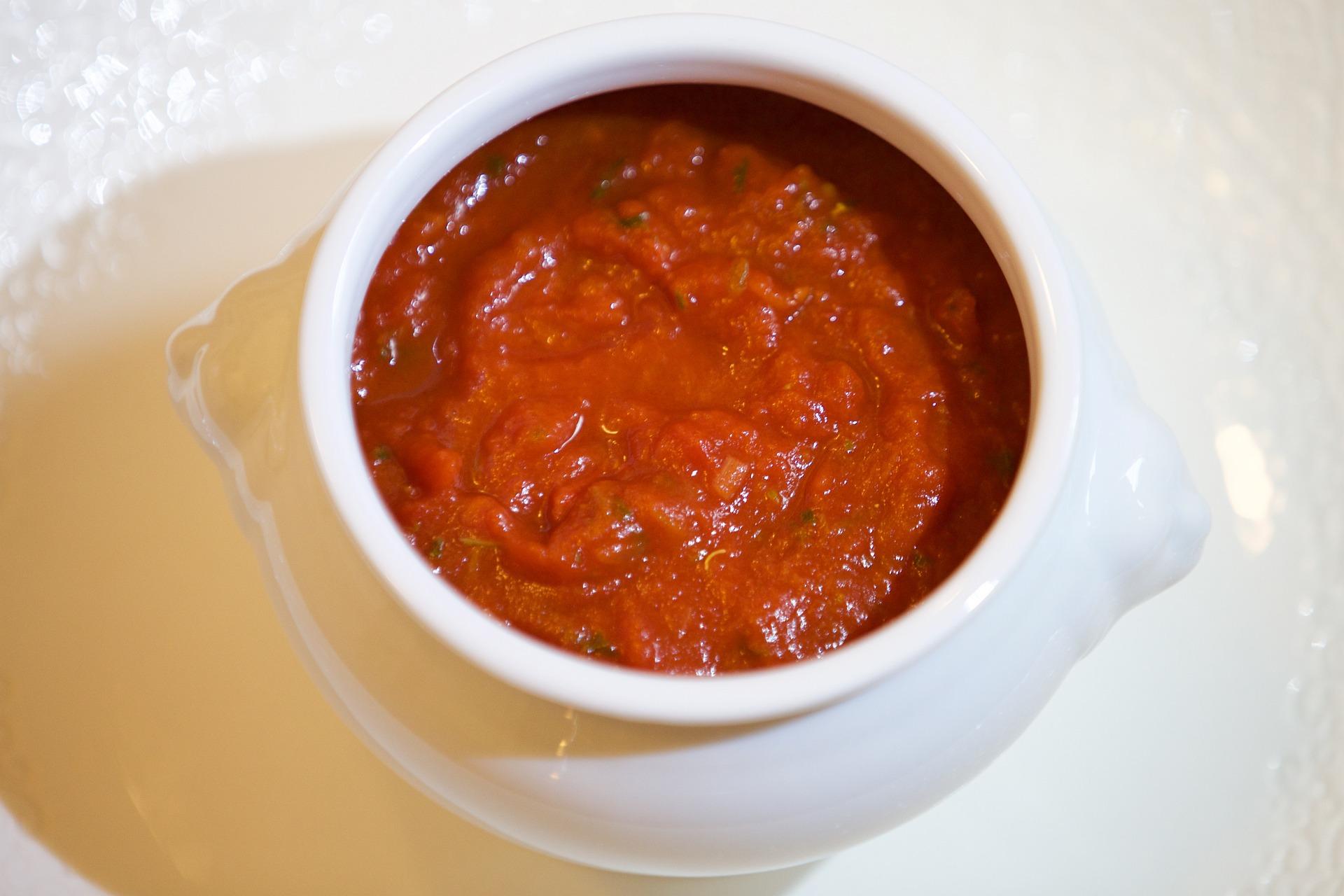
Consistency or texture
This can be:
|
Source: https://cocinaycomparte.com/
|
Source: https://www.americastestkitchen.com/
|
Source: https://pixabay.com/ |

-
Blending or pureeing
If you need to blend a dry food, you will have to add a "lubricant" such as water, milk, olive oil, juice or sauce, but do not forget to check seasoning afterwards and re-thicken if necessary.
As blending food already starts off the digestion process by breaking it down, a patient can absorb much more nutrition while spending less energy on digestion.
-
Soups
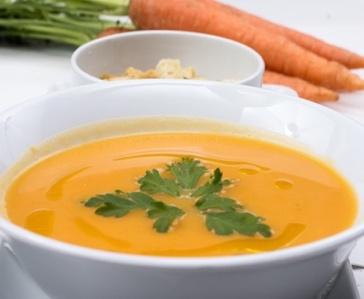
Blending a soup rather than leaving "bits" still in it (even if they are soft and manageable) is far more beneficial to a dysphagic patient as it is more "filling" and helps with portion size.
Source: https://pixabay.com/
-
Seasoning and taste
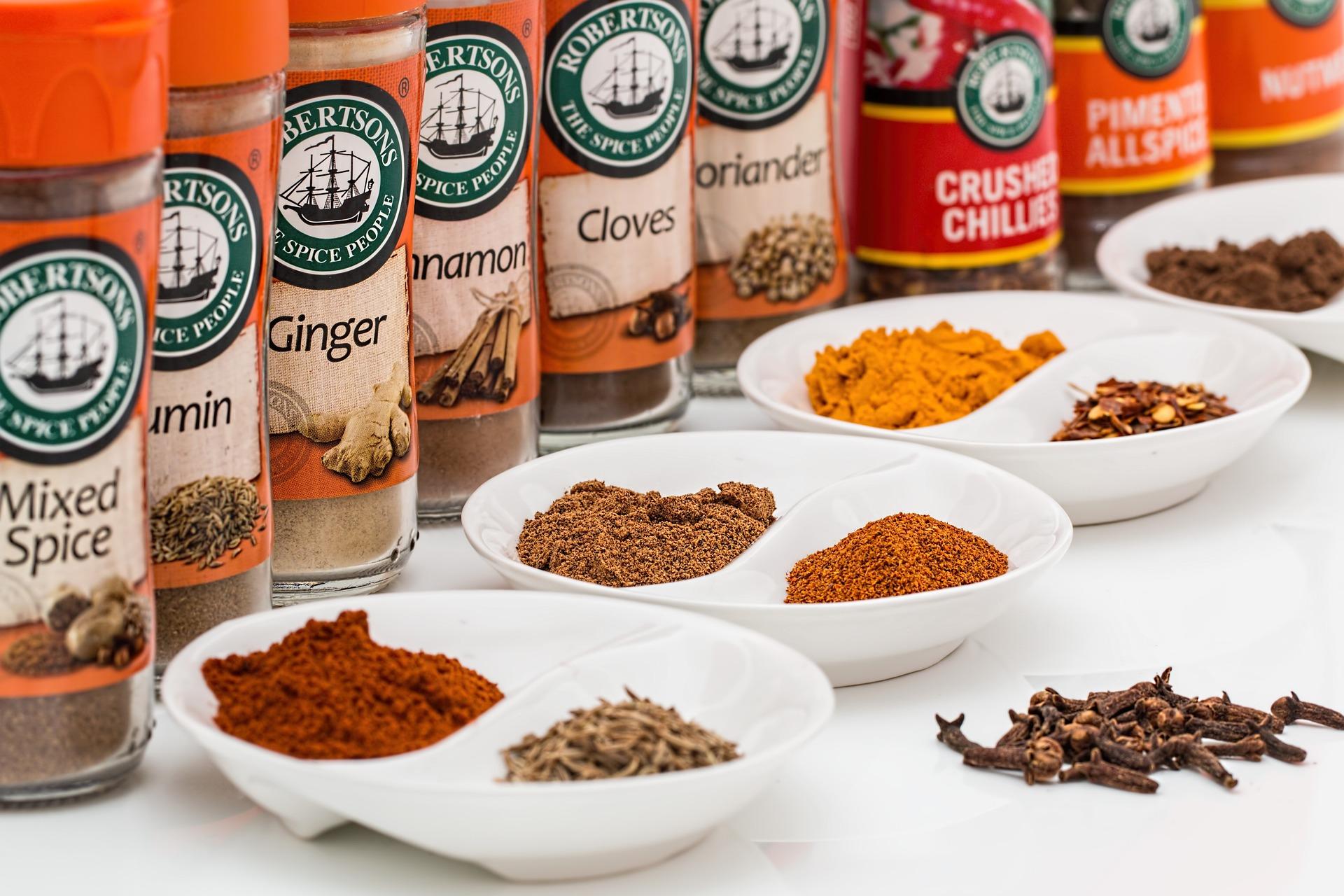
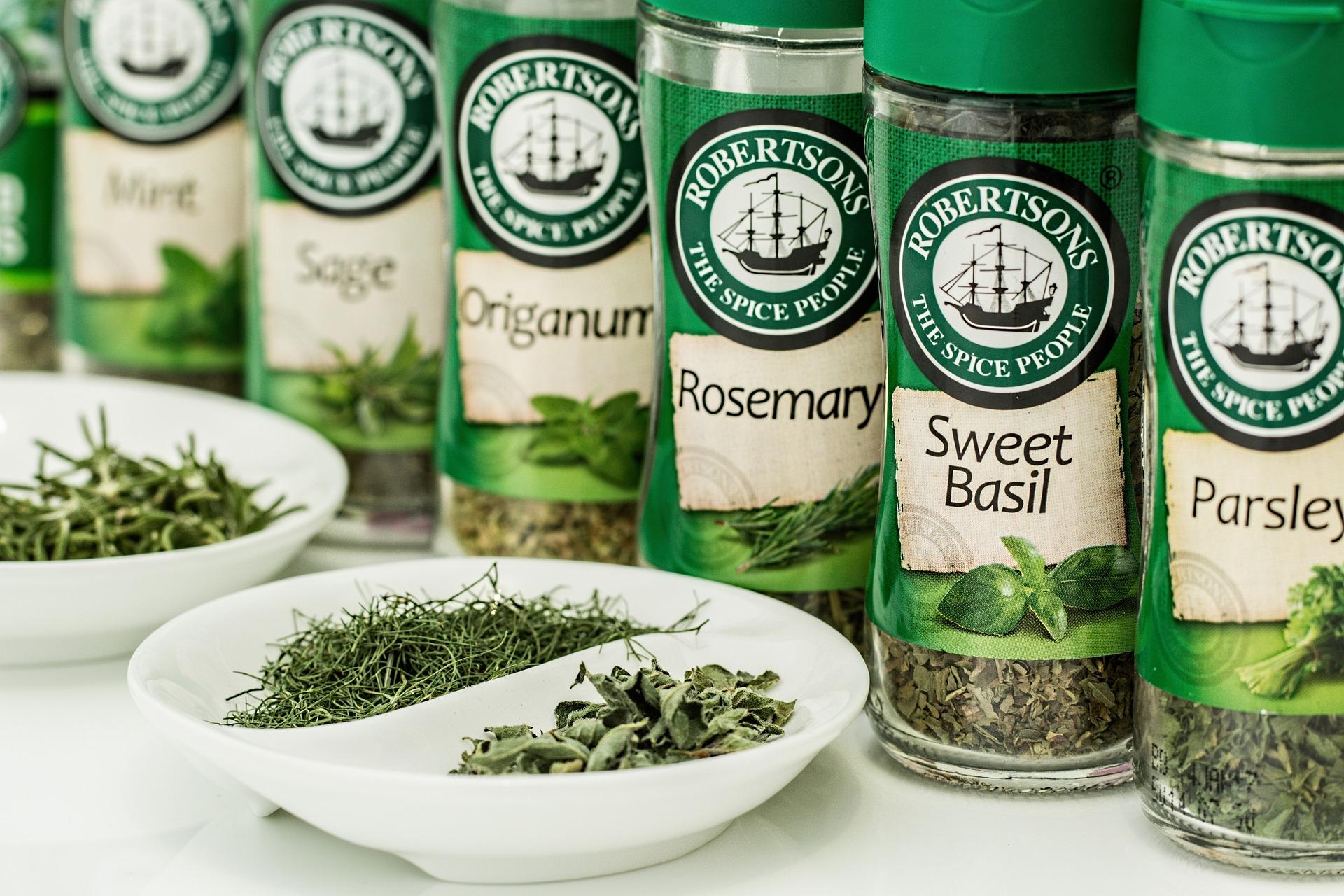
Puréed or blended foods lose their taste. A dish you cook may be seasoned perfectly, but, after blending, it will taste different. The main point is to prevent food from being bland and boring. If you need to add water for the blending process, often more flavourful or spicy ingredients might be needed during cooking so that the food does not taste too diluted once blended.
Source: https://pixabay.com/
-
Colour and sauces
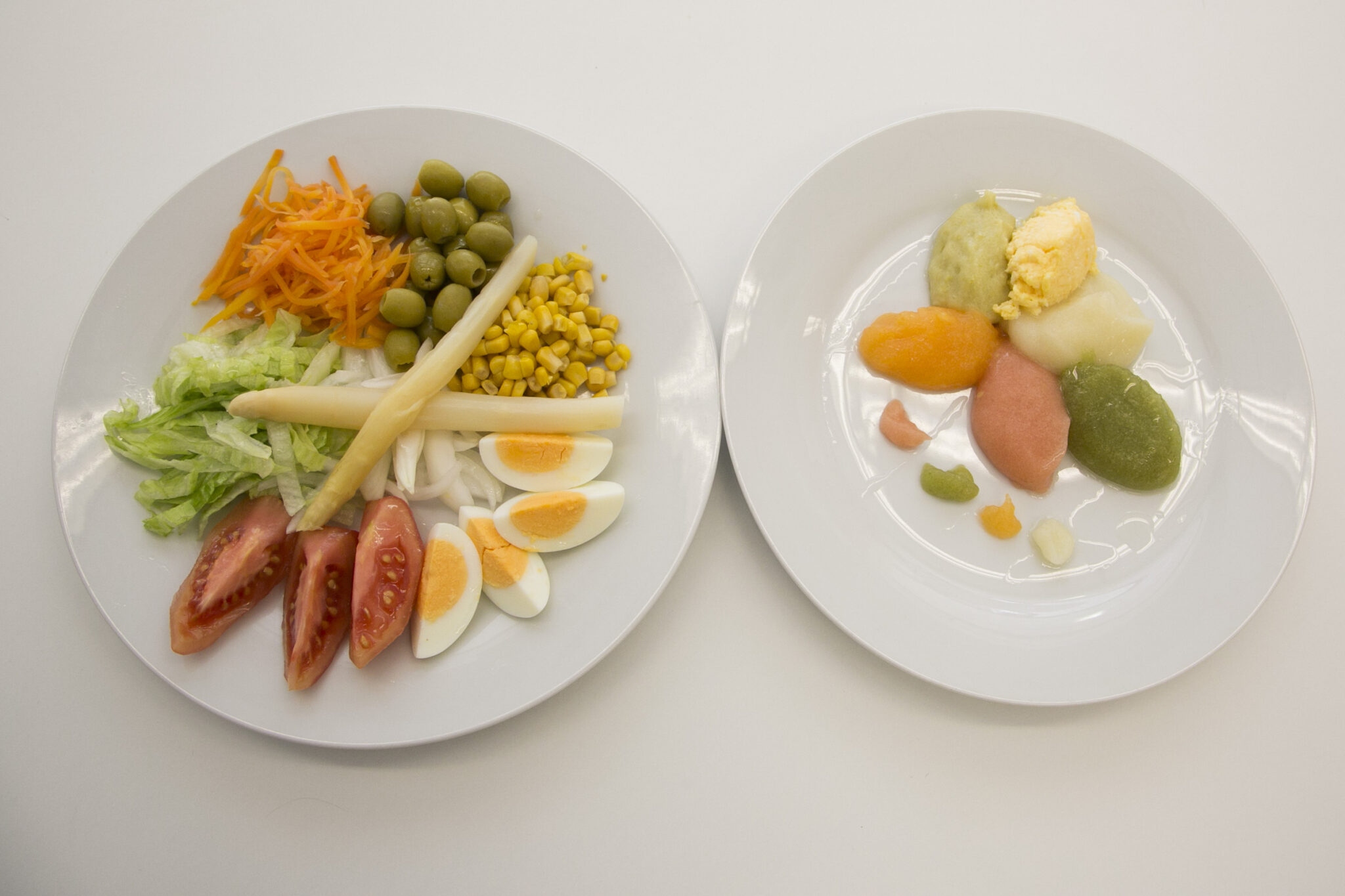
If a patient prefers distinct colours on a plate then please ensure each different food on the plate has the same consistency and viscosity. You then have to decide as to which dollop you are going to add the tasty sauce or gravy prior to blending, but without altering the colour.
Source:
https://orpea.es/comida-texturizada-solucion-para-los-problemas-de-alimentacion-en-personas-mayores/