Unit 3 - Diet and nutritional treatment approach for dysphagia
3.2. Balanced diet
3.2.3. Ensuring dietary adequacy
Guides of portion sizes
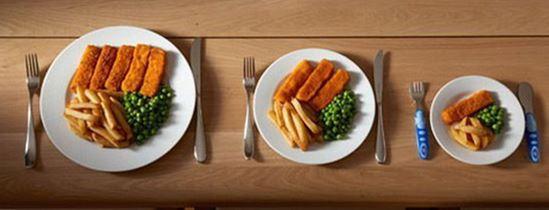
There really is no 'One Size Fits All‘ diet
Visit this site for more information about portion sizes: https://www.eufic.org/en/healthy-living/category/portion-information

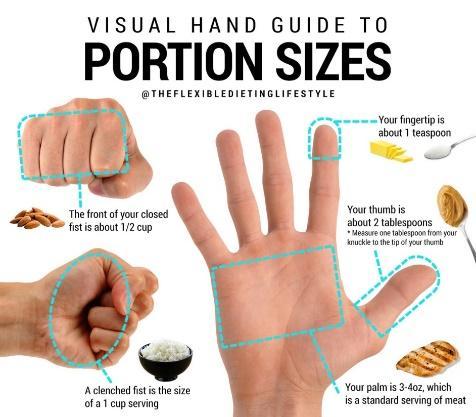
Source: Signature Nutrition Clinic Source: @Zach_Rochelaeu
A modified consistency diet should be:
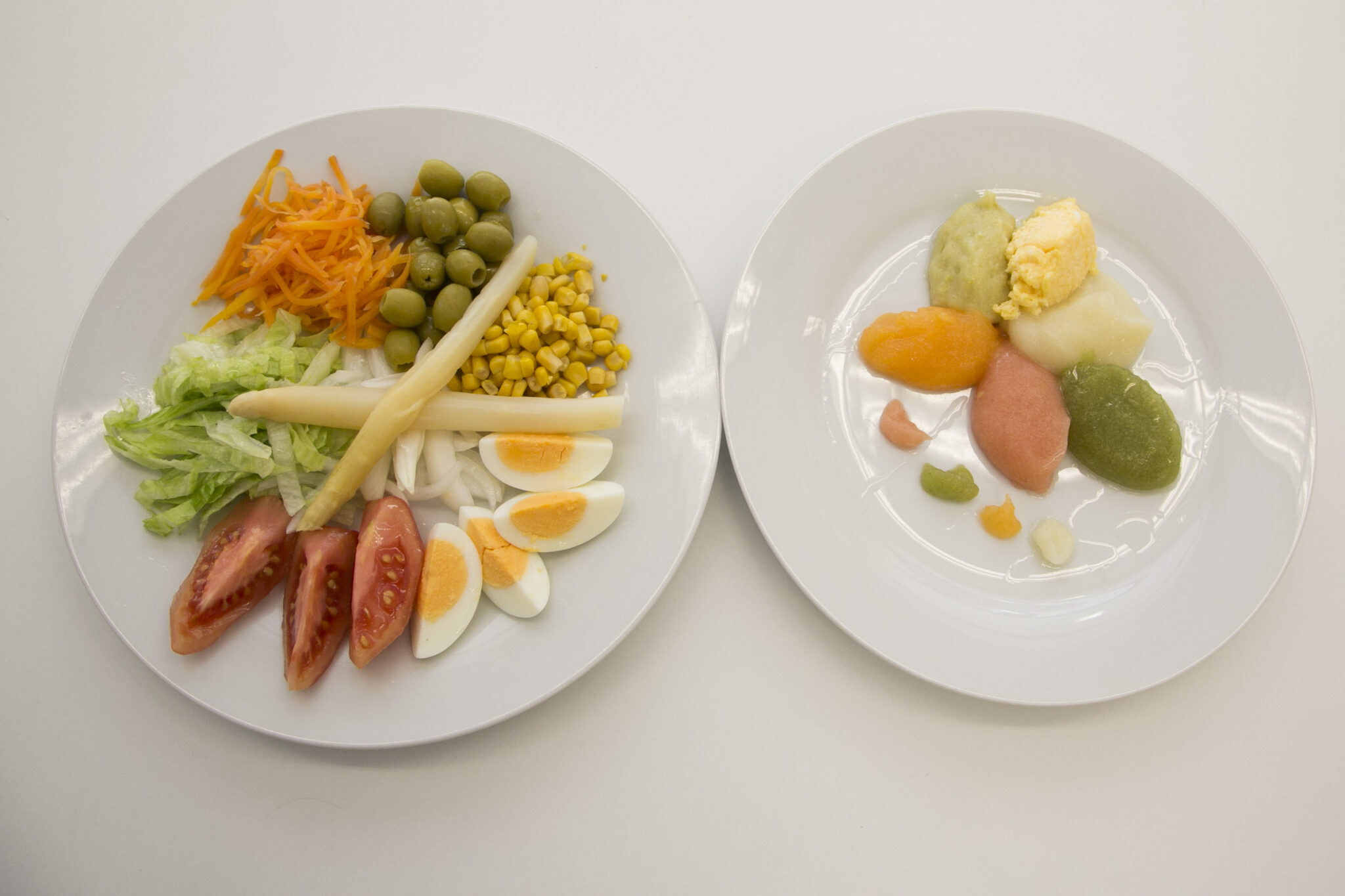
Nutritionally adequate;
Of correct consistency;
Appetising and palatable;
Well presented – considering color coordination and garnishes
Source: https://orpea.es/comida-texturizada-solucion-para-los-problemas-de-alimentacion-en-personas-mayores/
The Dietary Guidelines are different in each European country. However, there is some basic knowledge about dysphagia diet that should be taken into consideration when acquiring knowledge about this condition:
Consulting with a speech-language pathologist, dietitian, or healthcare professional trained in treating swallowing disorders can be critical for finding foods that are safe and nutritious while also aesthetically pleasing and appetizing. They can help you design the most permissive yet safe modified dysphagia diet of soft, minced or moist, puréed, or liquefied food.
Providing patients with meals that look and taste natural can increase consumption and prevent malnutrition.
For those consuming regular easy-to-chew foods, instill a sense of independence by providing patients with adaptive eating tools like plates with large rims, cups with lids and wide bases, and non-slip placemats. If a patient has difficulty using cutlery, serve bite-sized finger foods that are easy to pick up, such as chicken nuggets, fish sticks, cheese sticks, orange segments, carrot sticks, or steamed broccoli.
Serve food when patients are most alert and attentive. Some might eat better if they are provided with smaller dishes throughout the day, which can be less daunting than three large meals.
Make mealtime more pleasurable by engaging all of a patient’s senses during food preparation. Before cooking, bring ingredients, such as vegetables and fruits, to the patient so they can see and smell them, and use seasonal ingredients to make iconic dishes of summer, fall, winter, and spring.