Unit 3 - Diet and nutritional treatment approach for dysphagia
3.1. Basics of nutrition on dysphagia condition
3.1.2.2. Adequate macronutrient intake.
Macronutrients:
Macronutrients are:
Proteins
Glycaemic carbohydrates
Dietary fibre
Fats
Water
They predominate in the composition of foodstuffs and, therefore, are daily ingested in quantities of grams.
Their main functions within the organism of proteins, fats and glycaemic carbohydrates are energetic and structural. Dietary fibre and water are considered regulatory nutrients.
Visit https://multimedia.efsa.europa.eu/drvs/index.htm to consult the Dietary Reference Values for the EU.
Proteins:
Dietary proteins are the source of nitrogen and essential aminoacids which the body requires for tissue growth and maintenance.

Main sources of protein could be plant and animal based.
Animal protein is a complete protein, containing all essential amino acids, and is considered a high biological value protein (HBV).
Plant proteins are incomplete proteins, providing only several essential amino acids to the diet, and are considered low biological value (LBV) proteins.

Protein complementation is when LBV proteins are combined: By eating two LBV proteins you can make up for the lacking amino acids in each, therefore giving an intake with a HBV i.e. legumes with cereals. There could also be protein complementation by eating adequate amounts of HBV and LBV proteins i.e. milk with bread.

Glycaemic carbohydrates:
They are the main source of energy, which they provide to body cells in the form of glucose.
Simple carbohydrates – Sugars: They are rapidly digested and absorbed in the human small intestine. Food containing sugars is prone to have a higher glycemic index. The amounts of dietary sugars should be low, and should preferably be sourced from nutritionally dense foods – i.e. fruits and fruit smoothies.

Complex carbohydrates – Starch: They are slower digested and absorbed in the human small intestine and a better choice as source of energy, mainly when these foods also contain dietary fibre. Main sources of carbohydrates and fibres should be form grits, porridges, mashed root and legumes.

Dietary fibre:
Carbohydrates which cannot be digested in the human small intestine and includes non-starch polysaccharides (cellulose, hemicellulose and pectins), resistant starch, resistant oligosaccharides, and lignin.
Dietary fibre has an established role in bowel function (e.g. laxation). Some types of dietary fibre also reduce absorption of dietary fat and glycaemic carbohydrates.
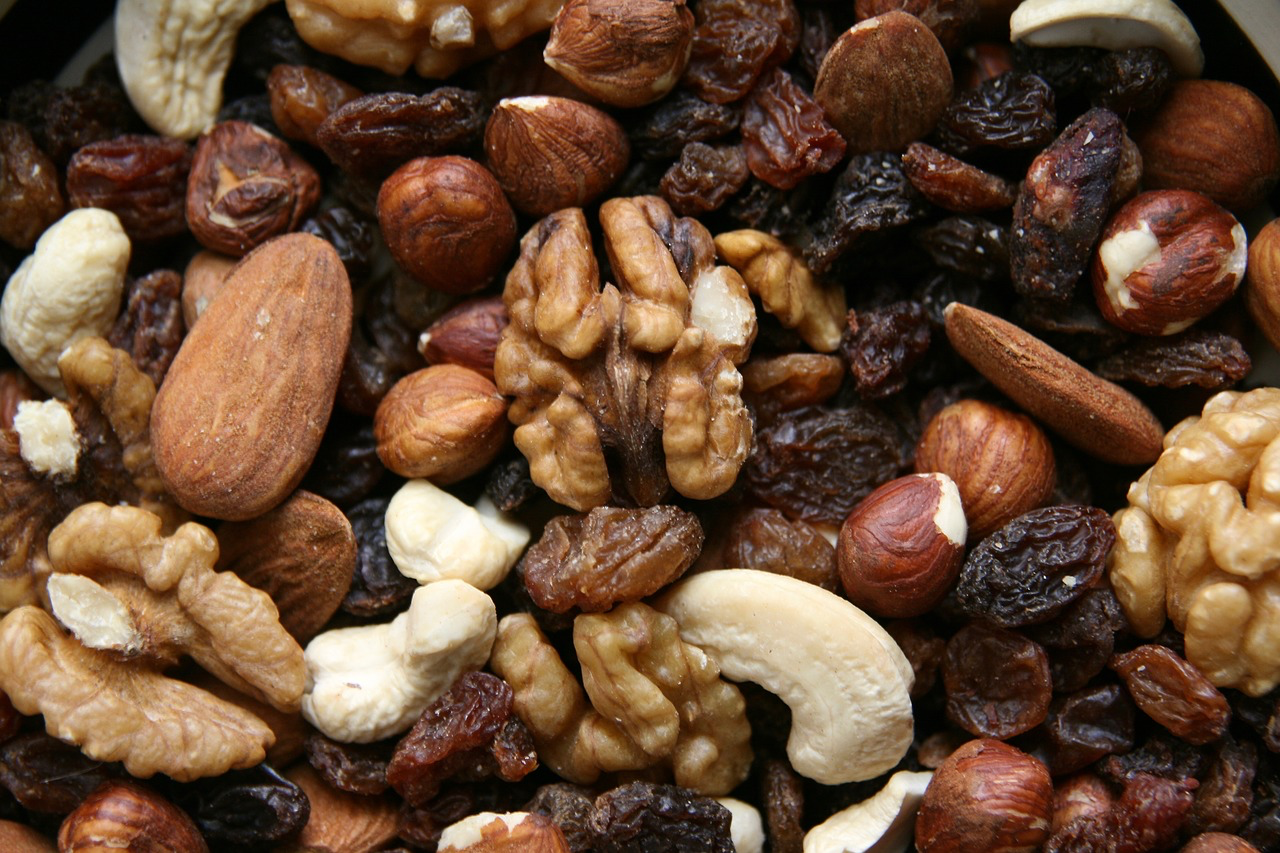
It is one of the most complicated nutrients, because naturally fibres present in nuts or grains can be difficult to consume by dysphagic patients. However, fruit and vegetables are also sources of dietary fibre.



Fat:
Fat is the most caloric-dense macronutrient.
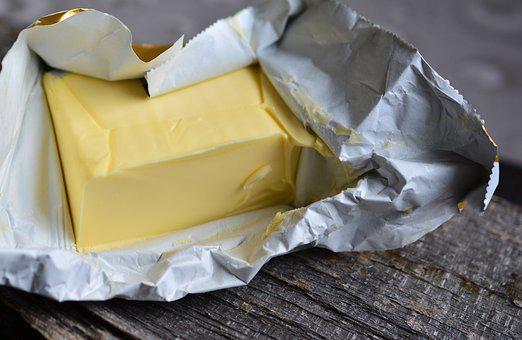
Saturated and trans fat are usually solid at room temperature. Naturally-occurring in foodstuffs of animal origin, they are also very popular in (ultra-) processed foods. Butter, tallow, lard, coconut and palm oil are rich sources of saturated fat. Their intake, as well as that of cholesterol, should be limited.


- Unsaturated fat,
which are liquid at room temperature, are considered the “good“
fats because they play a high number of beneficial roles, mainly at
cardiovascular level.
- Monounsaturated fat should be the main type of fat to be ingested. Nuts, avocado, olive oil are sources of oleic acid, the most abundant monounsaturated fatty acid in foods.


Polyunsaturated fat. The most important polyunsaturated fatty acids are nutritionally essential, so it is compulsory in the diet:
Omega 3 fatty acids: alpha-linolenic acid (ALA), eicosapentaenoic acid and docosahexaenoic acid (EPA and DHA)
Omega 6 fatty acids: linoleic acid (LA)
Besides sources of energy, polyunsaturated fatty acids are considered regulators due to their role as precursors of important immunomodulatory compounds.




Did
you know ...?

In addition to those present as components of foodstuffs, fats can be served as sauces or consumed by adding in smashed food, not only to increase energy intake, but also improve the taste.
Source: https://www.pexels.com/

Source: https://pixbay.com/
Water:
Almost every cell in human body contains water: body water makes up 79% of muscles, 73% of brain, and even 31% of bones. Overall body weight can be 45-65% water.

Source: designed by Canva Pro
Water is essential for practically all functions of the body. It helps to restore fluids lost through metabolism, breathing, sweating, and the removal of waste. Besides, it is particularly important for thermoregulation. Finally, it lubricates the joints and tissues, maintains healthy skin, and is necessary for proper digestion.
Source: designed by Canva Pro

A human can go without food for about three weeks but would typically only last three to four days without water.
Source: https://pixabay.com/
Keep in mind that about 20% of our total water intake comes not from beverages but from water-rich foods such as fruits and vegetables.
Source: https://pixabay.com/

ACTIVITY ABOUT MACRONUTRIENTS: