Unit 3 - Diet and nutritional treatment approach for dysphagia
3.1. Basics of nutrition on dysphagia condition
3.1.2.1. Correct energy balance.
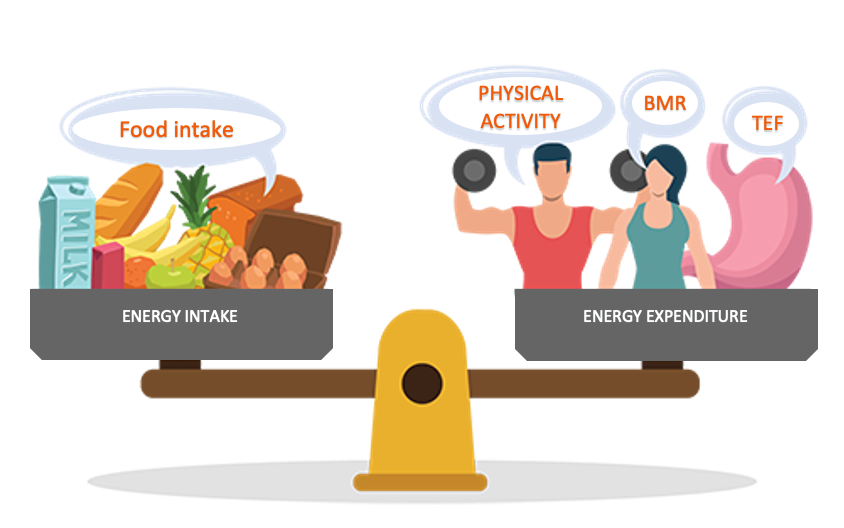
Figure 1. Components of the energy balance
Source: Modified image obtained from https://www.activehealth.sg/eat-better/resources/energy-balance
-
Energy intake: The number of calories in a food refers to the amount of energy stored in that food.
-
Energy expenditure: Your body uses calories:
-
Physical activity: walking, thinking, working, sports and so on.
-
Basal Metabolic Rate (BMR): vital physiological functions such as breathing, working of heart, etc.
-
Thermic Effect of Food (TEF): food digestion and absorption.
-
-
Correct energy balance:
-
Adults: The average adult person needs about 2,000 calories every day to maintain their weight, but the amount will depend on their age, sex, and physical activity level.

-
Children: The energy they need includes that used for their proper growth and development.
-
Specific situations: Some diseases require higher energy intake for better recovery.
-
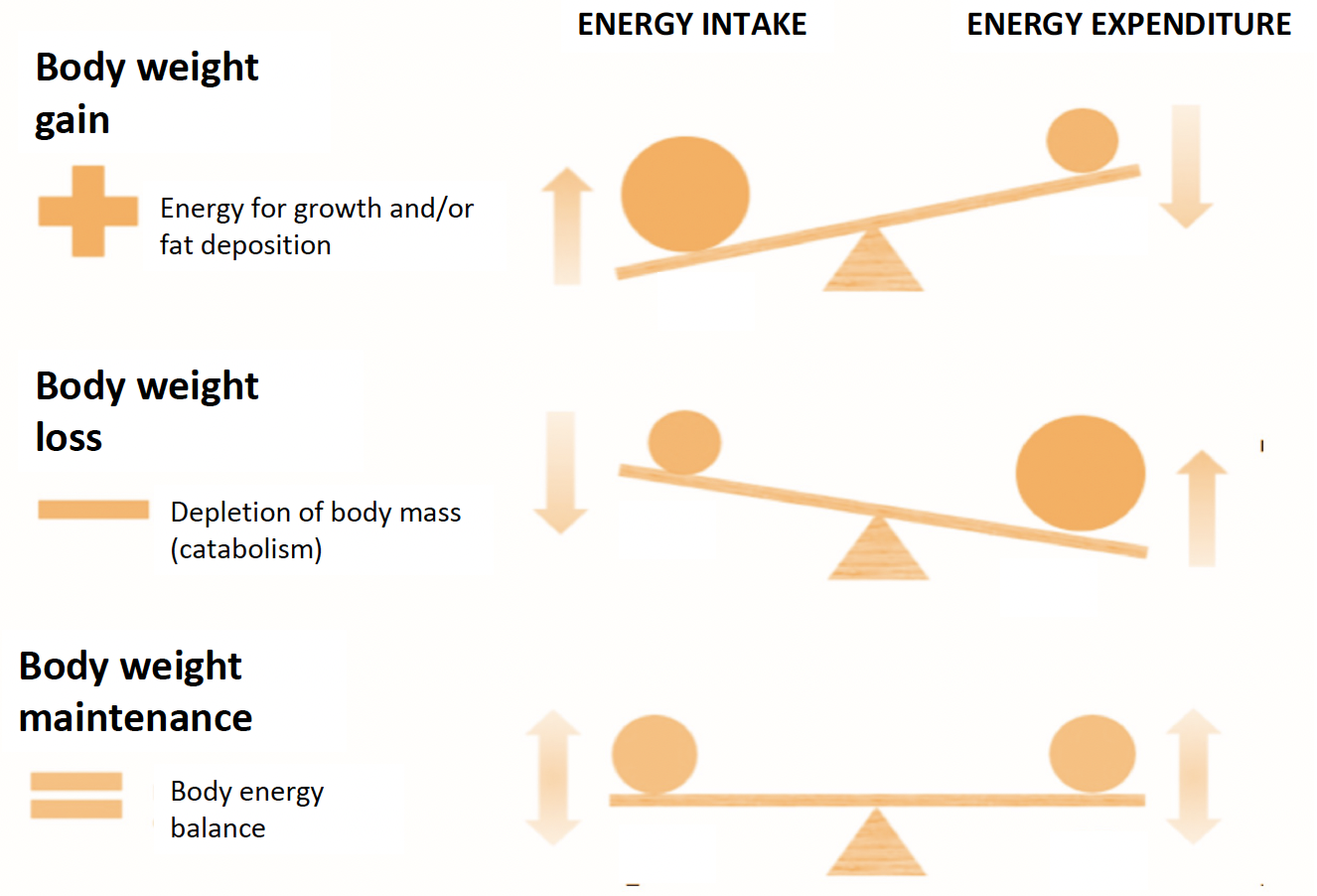
Figure 2. Different situations of energy balance