Unit 3 - Nutrition (e-book)
3.2 Balanced diet
3.2.1 Distribution of foodstuffs on a balanced diet
Vegetables and fruits
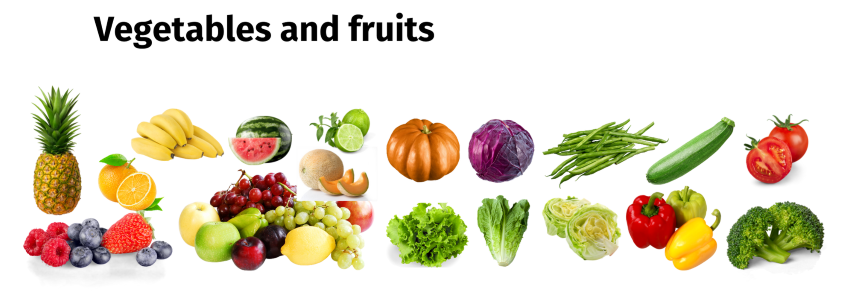
Figure 10. Vegetables and fruits (Source: designed by Canva Pro)
Plant foods should make up the largest portion of our diet. Plant foods contain a wide variety of nutrients like vitamins, minerals, phytochemicals and antioxidants. They are also the main source of carbohydrates and fibre in our diet. A diet rich in vegetables decreases health problems.
Grains
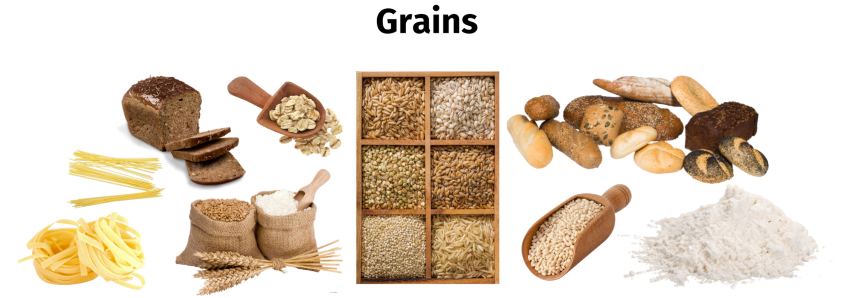
Figure 11. Grains (Source: designed by Canva Pro)
Grains food group it is recommend to choose mostly whole grains (such as brown rice, oats and barley), and wholemeal/wholegrain/high cereal/fibre varieties of bread, pasta, crisp breads and cereal foods (over highly processed, refined varieties).
The quality of the carbohydrates you eat is at least as important as the quantity to better health.
Protein
Protein is an essential nutrient. In addition to providing protein, it also contains other nutrients such as fats, vitamins and minerals. It is important to combine animal and vegetable proteins.
The consumption of quality protein is more important to our health than the quantity consumed.
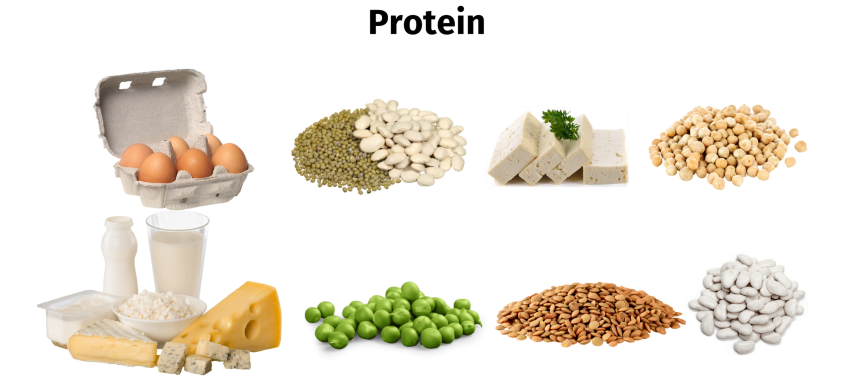
Figure 12. Protein (Source: designed by Canva Pro)
Healthy fats
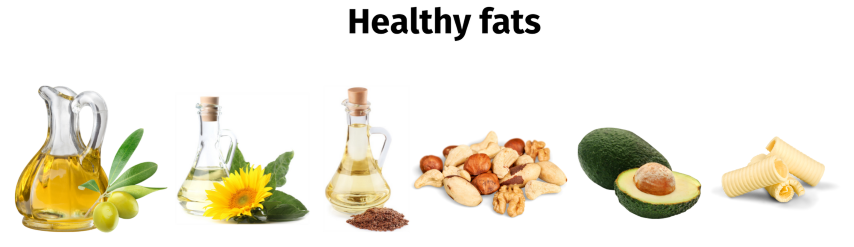
Figure 13. Healthy fats (Source: designed by Canva Pro)
Fat is an important part of a healthy diet. Choosing healthy, quality fats in the diet is preferable to eating a low-fat diet. It is preferable to consume "good" unsaturated fats - monounsaturated and polyunsaturated fats, limit foods high in saturated fats and avoid "bad" fats - trans fats.
Choose Water
Water is the best drink to stay hydrated and it supports many other
essential functions in the body. Choose water as your main drink, and
avoid sugary options such as soft drinks, sports drinks and energy
drinks.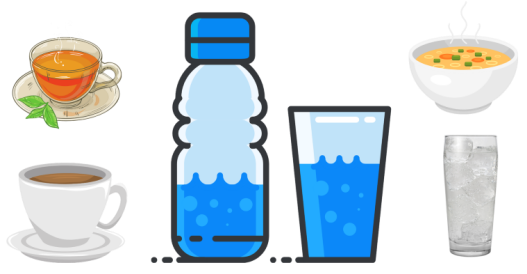
We drink fluids when we feel thirst, the major signal alerting us when our body runs low on water but sometimes we drink not based on these factor.
Figure 14. Choose water (Source: designed by Canva Pro)
Enjoy herbs and spices
Herbs and spices provide a wonderful range of flavours and aromas to
our food. They have health-promoting properties, but since we tend to
eat them in smaller amounts their primary purpose is to flavour and
colour our meals.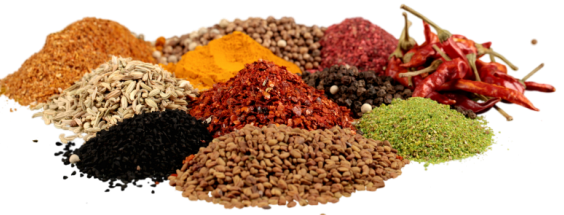
It is an easy way to create foods that suit your tastes and increase your enjoyment of home-made meals without needing to use salt when cooking or eating.
Figure 15. Herbs and spices (Source: designed by Canva Pro)
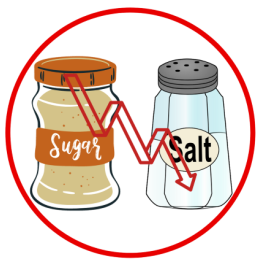
Limit added salt and sugar
It is important to limit our intake of added salt and sugar.
Figure 16. Salt and sugar (Source: designed by Canva Pro)
Healthy eating guidelines
Healthy Eating Plate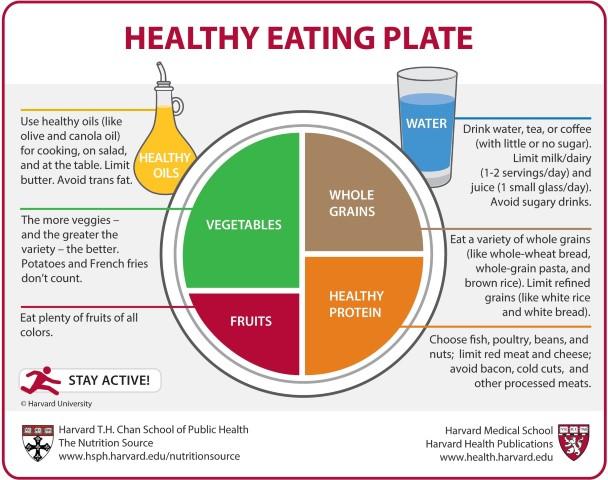
The Healthy Eating Plate is another simple guide for a healthier, well-balanced meal that includes all the food groups in the right proportions. It’s the easy way to get all the nutrients that your body needs regardless of the meal type, cuisine or occasion. It was owned by Harvard University.
Figure 17. Healthy Eating Plate. Copyright © 2011, Harvard University. For more information about The Healthy Eating Plate, please see The Nutrition Source, Department of Nutrition, Harvard T.H. Chan School of Public Health, www.thenutritionsource.org, and Harvard Health Publications, www.health.harvard.edu.
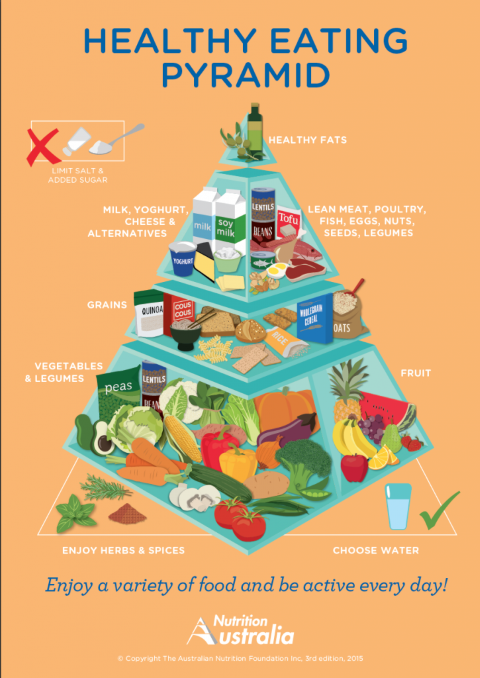
Healthy Eating Pyramid
The Healthy Eating Pyramid is a simple visual guide to explain a balanced diet based on the recommended food intake for 19–50 year-olds, according to the Australian Dietary Guidelines (2013). It shows the types and proportion of foods that we should eat every day for good health.
Figure 18. Healthy Eating Pyramid.
The Australian Nutrition Foundation Inc. 3rd edition, 2015
Practical exercises to apply the theory
In this exercise we will become aware of the importance of a balanced diet.
Materials: not necessary
Exercise: Reflect on the importance of a balanced diet. Recall the foods you have eaten in the last 7 days and answer the following questions:
Do you consume foods from all food groups each day?
Do your meals resemble the composition of the Harvard plate?
What aspects of your diet do you think are healthy?
What aspects of your diet do you think could be improved?
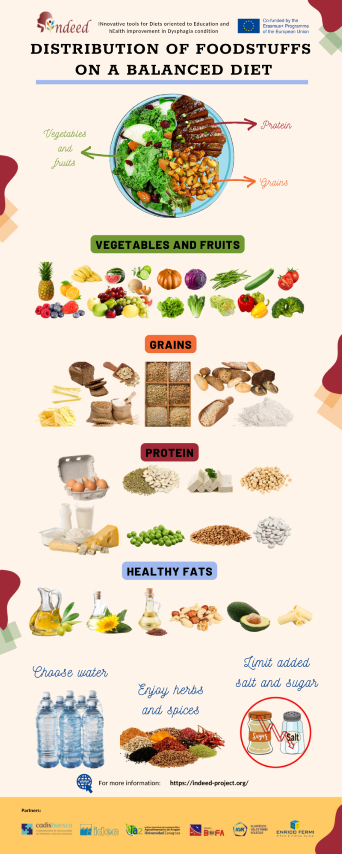
Figure 19. Distribution of foodstuffs on a balanced diet Infographic (Source: designed by Canva Pro)
Infographics available for download on the training platform (https://indeed-project.org/)