Unit 3 - Nutrition (e-book)
3.1 Basics of nutrition on dysphagia condition
3.1.2 Food and nutrients (macronutrients and micronutrients)
Cambridge Dictionary defines nutrient as any substance that plants or animals need in order to live and grow. Nutrients are ingested through the diet and can be classified into: macronutrients and micronutrients.
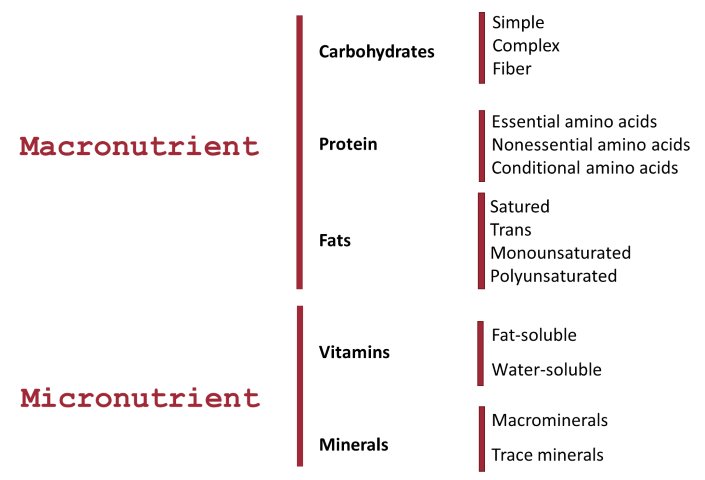
Figure 2. Diet Nutrients
(Source: designed by CADIS HUESCA)
Macronutrient
Nutrients that predominate in the composition of food and, therefore, those ingested in greater quantities (grams). Their main functions within the organism are energetic and structural.
Carbohydrates and fibers
Carbohydrates provide most of the body’s energy. They are present in healthful, processed and low nutritional values foods. They are classified into three types:
Simple carbohydrates.
Or sugars are made up of shorter chains of molecules and are faster to digest the body with a quick and short-lived source of energy.
Examples of foods containing them: fruits, jams, honey, white bread, sweets, date, syrup, milk, sugar, others.
Complex carbohydrates.
They are made up of long chains of molecules that are absorbed by the body more slowly and for a longer period of time.
Examples of foods containing them: vegetables, whole grains, fruits, natural nuts, legumes and others.
Fiber.
It is a complex carbohydrates.
Examples of foods containing them: vegetables, whole grains, fruits with skin, natural nuts, legumes and others.
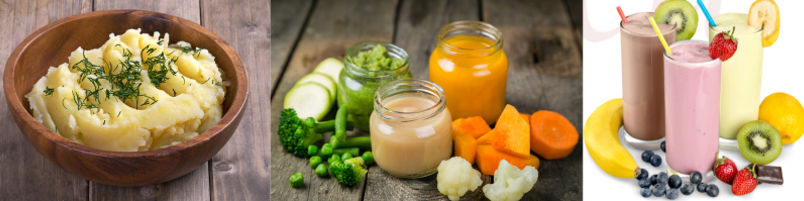
Figure 3. Carbohydrates and fiber (Source: designed by Canva Pro)
Protein
Proteins are molecules made up of amino acids and they are essential of life. The protein sources could be vegetables and/or animal based. When proteins are digested, they broken down into amino acids. Examples of foods containing them: meats (beef, sheep, pork, rabbit, chicken...), white and blue fish (sardines, tuna, sea bream, sole...), seafood, eggs, legumes and others.
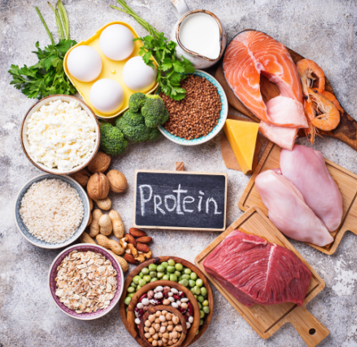
Figure 4. Protein (Source: obtained from Canva Pro)
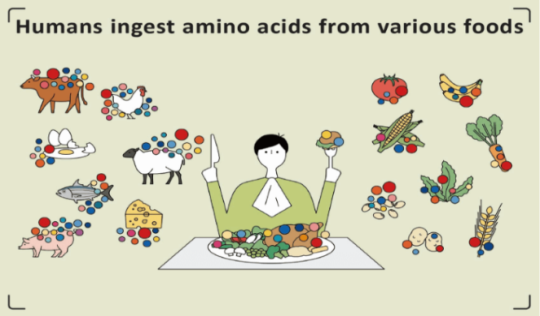
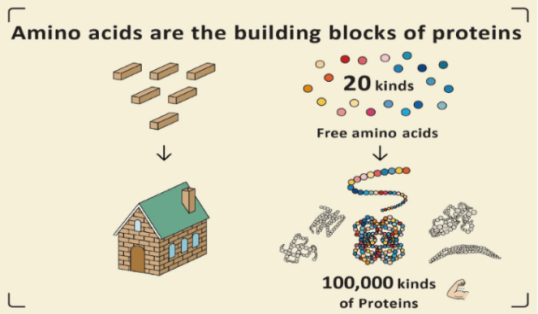
Figures 5 & 6. Amino acids are part of food. Amino acids form the proteins that compose us. (Source: https://www.ajinomoto.com/es/aboutus/amino-acids/what-are-amino-acids)
-
Essential amino acids.
It cannot be made by the body. As a result, they must come from food.
-
Nonessential amino acids
Nonessential means that our bodies can produce the amino acid, even if we do not get it from the food we eat.
-
Conditional amino acids.
Conditional amino acids are usually not essential, except in times of illness and stress.
Fats
Fat is the nutrient that provides the most energy compared to the others and helps the body absorb some vitamins. The fat sources could be vegetables and/or animal based.
-
Satured.
Most animal fats are saturated and experts recommend a diet low in saturated fat. They are popular with manufacturers of processed foods. they are typically solid at room temperature and can cause problems with your cholesterol levels, which can increase your risk of heart disease. For example: butter, ghee, suet, lard, coconut oil and palm oil.
- Monounsaturated.
-
Trans.
They are unhealthy. Examples: fried doughnuts, and baked goods including cakes, pie crusts, biscuits, frozen pizza, cookies, crackers, and stick margarines.
Polyunsaturated.
They are good for health. For example: olive oil, soybean oil, corn oil, sunflower oil, etc.
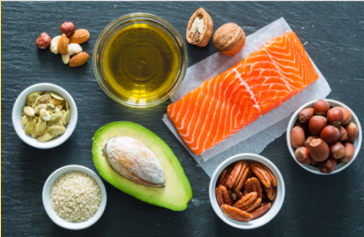
Figure 7. Fats (Source: obtained from Canva Pro)
M icronutrient
Micronutrients, often referred to as vitamins and minerals, are essential for healthy development, disease prevention, and wellbeing. People only need small amounts of micronutrients.
Figure 8. Micronutrient. (Source: Health vector created by freepik – www.freepik.com)
Vitamins
Vitamins are organic compounds that people need in small quantities. Vitamins need to come from food because the body either does not produce them or produces very little. A balanced diet usually provides enough of these vitamins. They can be classified into:
-
Water-soluble vitamins.
-
Fat-soluble vitamins
Minerals
Minerals are divided into major minerals (macrominerals), which are needed in larger amounts, and trace minerals (microminerals), which are needed in smaller amounts.
A balanced diet usually provides all of the essential minerals.
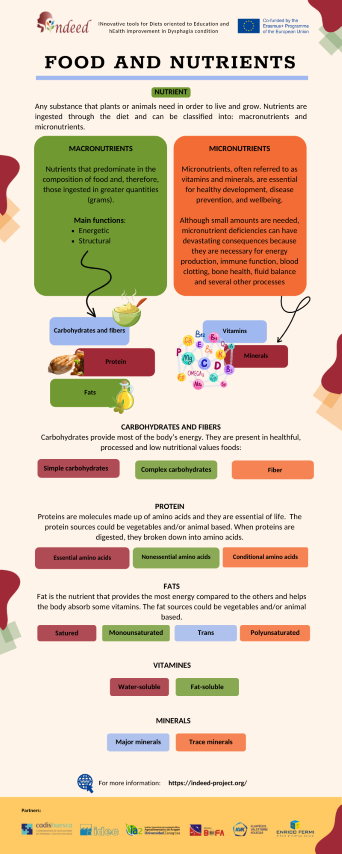
Figure 9. Food and nutrition Infographic (Source: designed by Canva Pro)
Infographics available for download on the training platform (https://indeed-project.org/)