Unit 1 - Dysphagia (e-book)

1.3 Health consequences
1.3.2 Efficacy complication
-
Risk for malnutrition
Malnutrition is an imbalance of energy or other nutrients (lack of carbohydrates, fats, vitamins and minerals) that causes measurable negative effects on body composition, physical function and clinical outcomes.
The 51% of people with dysphagia are at risk of malnutrition and severity of dysphagia correlates with increase incidence of malnutrition.
-
Risk of dehydration
Dehydration occurs when you do not take in enough fluids, use or lose more fluids than you take in, and your body does not have enough water and other fluids to function normally.
Their consumption is lower due to dislike of this texture or lack of desire to make it, which increases the risk of dehydration.
Dehydration may lead to lethargy, mental confusion, and increased aspiration.
-
Decrease the quality of life
Quality of life may be defined as the degree to which an individual is healthy, comfortable and able to participate in or enjoy life events.
Previous main complications associated with dysphagia may lead to decreased quality of life and social isolation, as well as increased risk of comorbidities and mortality.
All this leads to an increase in dependency, a greater burden of personal and medical care, as well as an increase in institutionalization.
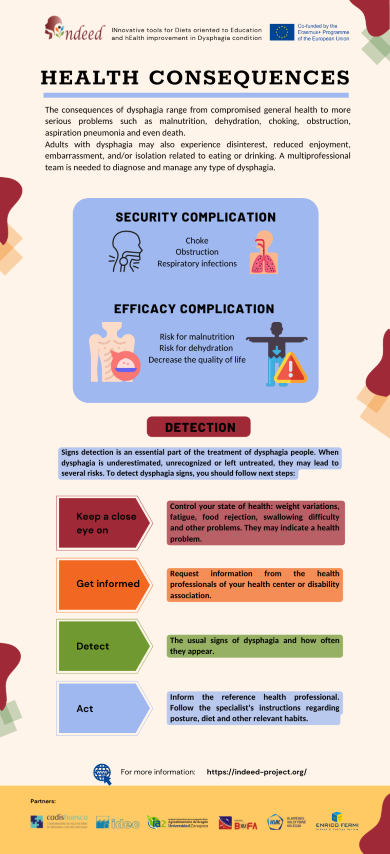
Figure 7. Infographic of health consequences and detection (Source: designed by Canva Pro).
Infographics available for download on the training platform (https://indeed-project.org/).