Unit 1 - Dysphagia (e-book)

1.2 Dysphagia
1.2.4 Most frequent signs and symptoms
- Difficulty picking up food from the cutlery
- Increased time chewing and oral handle
- Inability to keep the bolus in the oral cavity
- Difficulty performing and coordinating oral movements with the facial, oral and lingual muscles
- Loss of strength during chewing
- Excessive chewing pattern
- Hesitation or inability to initiate swallow
- Difficulty when initiating to swallow with or without pain
- Prolonged eating time
- Frequent repetitive swallows
- Drooling.
- Food residue in the mouth after swallowing
- Pain, discomfort or a feeling of stuck in the throat
- Sweating, watery eyes and discomfort
- Nasal or oral regurgitation
- Changes in tone of voice, hoarseness or wet voice or nasal
- Frequent choking
- Airway obstructions
- Feeling of choking when swallowing
- Nausea or vomiting
- Reflux
- Sensation of food getting stuck in the throat or chest, or behind the breastbone.
- Recurrent respiratory infections
- Cough during meals or up to 20 minutes later
- Recurrent fever or low-grade fever
- Color change in the fingers or lips
- Weight loss
- Dehydration
Practical exercises to apply the theory.
In this exercise we will identify signs of dysphagia in a person during the feeding process.
Timetable: apply during mealtime
Materials: food prepared for that meal.
Steps to follow being aware of the process:
1- Situation. Sit in a chair next to the person with suspected dysphagia, at the same height but without interfering in the process or making the person uncomfortable.
2- Observation of the process. from the moment he/she picks up the spoon from the table, picks up the food with the mouth, chews it, forms the bolus, swallows it and even finally wipes the mouth at the end.
3- Identification of signs. Be alert to identify if any sign occurs in any of the steps during feeding.
Note: if we do not have a person to observe, we can do it with ourselves by eating or remembering a meal with a person we suspected to have dysphagia.
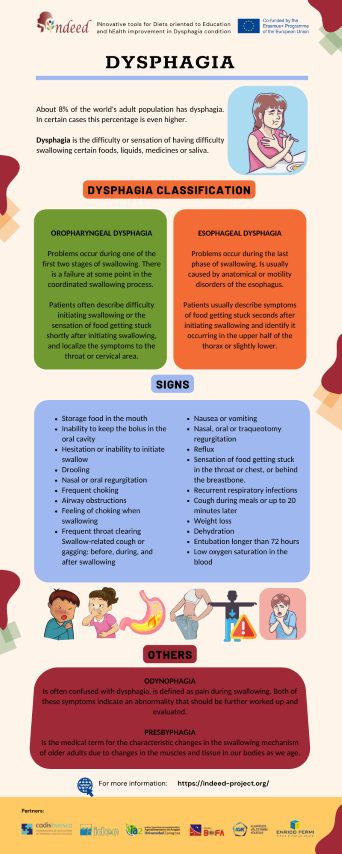
Figure 4. Infographic of dysphagia. (Source: designed by Canva Pro).
Infographics available for download on the training platform (https://indeed-project.org/)