Module 2.4: Reading
Introduction
We only have one planet on which we live. It is full of natural resources. Natural resources are materials that are found in nature and unaltered by mankind. Natural resources are essential for human survival. Land, forests, water, fisheries, minerals, and air—these are all important to sustain life. Natural resources can be renewable or nonrenewable. Renewable resources include solar energy, air, and water, which are all replenished by nature. On the other hand, nonrenewable resources are the opposite—they have a finite supply, so once you consume them, they can’t be used again.
Currently, we have an ever-growing population that poses a huge threat to all these resources as we continually use them. Over exploitation of natural resources is having a huge impact on the health of our planet as non-renewable resources have dwindled. Environmental conservation is a movement that could make the difference to our planet’s long-term health and longevity.
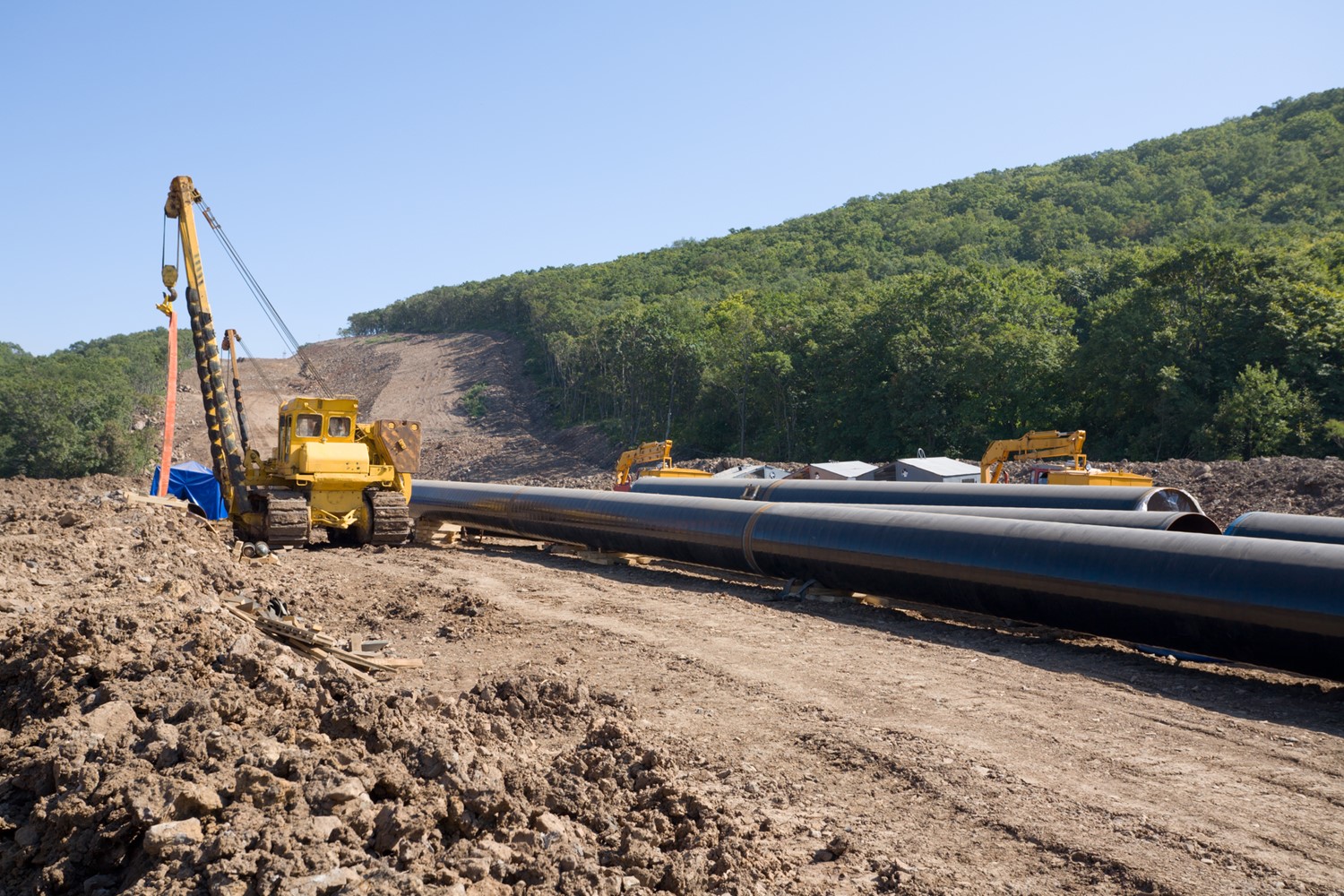
Learning Outcomes: By the end of this sub-chapter you will understand
· what environmental conservation is
· how we can help environmental conservation in our schools
What is Environmental Conservation?
Environmental conservation aims to actively find ways to save our natural resources and ecosystems from destruction and loss of species, reducing exploitation, pollution and destruction. This includes
· Reducing exploitation of natural resources such as water, food, trees, fossil fuels, minerals and land
· Conserving the land, trees, water and eco-systems we have, free from human interference and keeping them as natural as possible
· Preventing human-caused natural disasters such as chemical leaks, oil spills and wildfires
· Reducing the impact of global warming
A balanced ecosystem is a habitat which is sustainable. It consists of animals, plants, microorganisms and more which depend on each other and their surroundings. Unfortunately, the activities being carried out by humans is creating a negative impact on the balance in our ecosystems.
However, several good sustainable human activities can restore the lost balance in an ecosystem. Some of them are land restoration, reforestation, and work to save our oceans. So, we must try to adopt practices which will help in maintaining the balance of our ecosystem rather than degrading it.
Land restoration
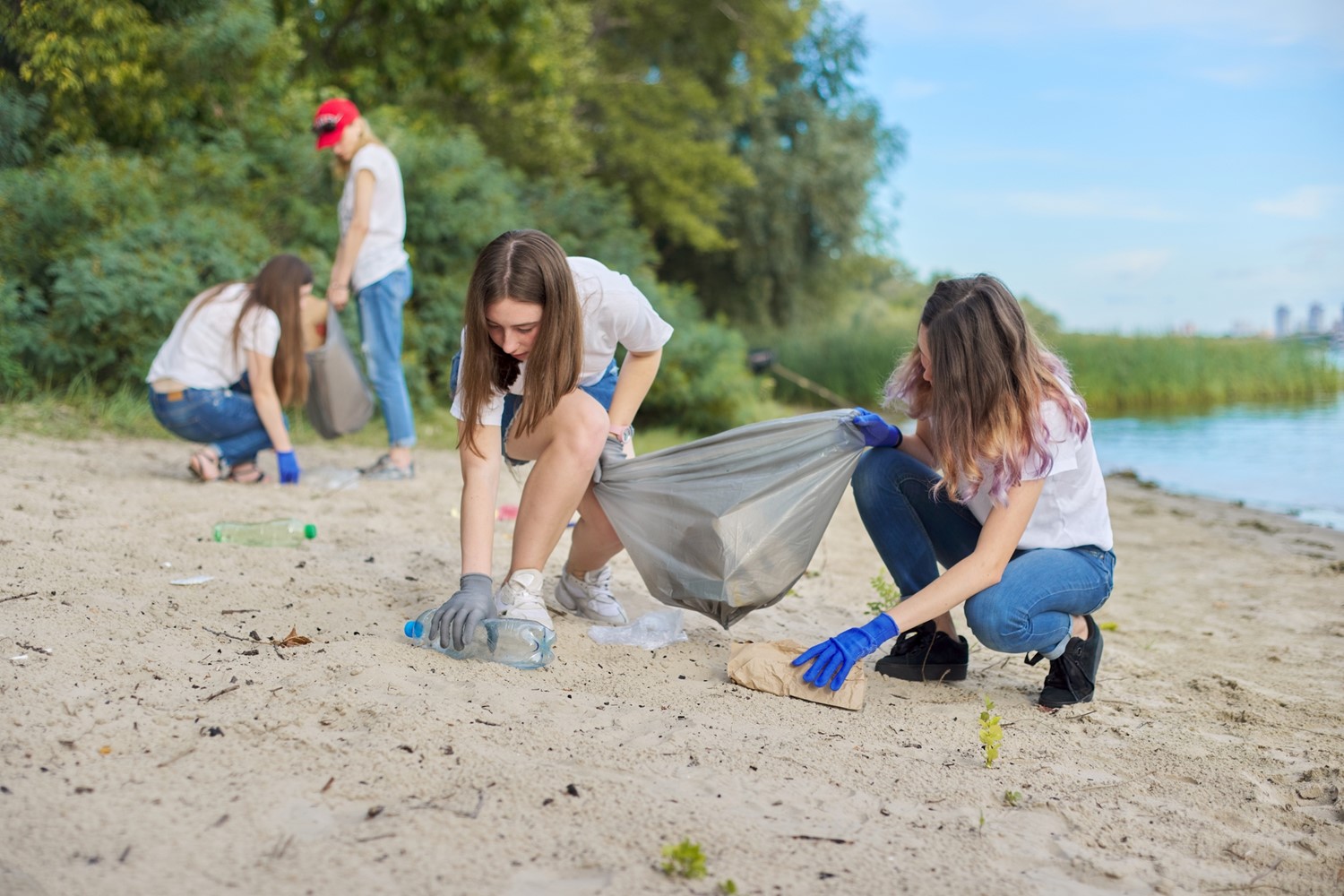
Ensuring our land is both healthy and productive is a key part of feeding the planet, reducing emissions and bringing balance to our natural world. Wildlife surrounds us and even the smallest school yard will already contain a selection of mini-beasts and a few visiting birds which can be encouraged by adding features to attract them. If you have a large school ground you can increase the amount of diversity.
To effectively restore the wildlife and habitats around your school grounds, a whole-school approach is needed involving children, teachers, parents, school managers, staff and the local community. Working together this can create great opportunites for children's learning, working with local experts and working together as a community.
· Trees and shrubs - Wildlife flourishes where there are mature trees, but does even better when there is a mix of plants of different sizes to produce layers of vegetation. Each layer will support different species and will provide food, shelter and breeding sites.
· Water - The single most effective way to add wildlife value to a garden is to install a pond, however tiny it is. Make sure ponds have at least one sloping side to allow creatures an easy way out and include a good variety of water plants.
· Log piles - Piles of logs can create an interesting feature in their own right and provide useful shelter for a range of wildlife including amphibians. They can also be colonised by fungi and provide food for a range of mini-beasts, especially beetles.
· Rock piles - A different range of creatures will be attracted to dry materials such as a pile of rocks, stones or rubble. This is likely to be colonised by spiders, used for basking by lizards or frogs and toads may hibernate in the nooks and crannies.
· Flowers - Flowers produce nectar and pollen providing vital food supplies for bees, butterflies and many other insects including beetles and hoverflies. Try to have suitable plants in flower for as much of the year as possible.
· Long grass - Wildflower meadows are very attractive, but can be difficult to establish and maintain, especially on fertile soil. Allowing some of your mown areas to grow longer will provide shelter for small mammals such as wood mice, voles and shrews, and food for some butterfly caterpillars.
· Food and water for birds - Garden birds are some of the most conspicuous of garden wildlife and easy to attract by providing food. Ideally, offer a mix of food including peanuts, sunflower hearts, seeds, kitchen scraps and fat balls.
· Wildlife shelters - Established grounds and gardens will probably have lots of hiding places for insects to shelter, but specially made insect shelters or ‘Bug Hotels’ are a real bonus in new or sparsely planted spaces. They can enhance the variety of habitats on offer in any garden. They are also a lot of fun to make and larger ones can be a real feature.
In the local area, schools can also work together with the local community to help restore areas of land. For example litter picking in parks, tree planting, or helping to establish local wildflower meadows in cities.
Deforestation and Reforestation
Forests, which cover 30% of Earth’s surface, are critically important to just about every aspect of life. Deforestation is the permanent and intentional clearing of forested land by humans, often for agricultural expansion, timber harvesting for fuel or building materials, mining, and human settlement. Huge areas of forest can also become rapidly deforested during natural disasters like wildfires, tornadoes, and cyclones.
Reforestation is process of replanting trees in areas that have been affected by natural disturbances like wildfires, drought, and insect and disease infestations — and unnatural ones like logging, mining, agricultural clearing, and development. This can mean anything from supporting natural regeneration in an area that has been degraded to planting ecologically appropriate tree seedlings after forest fires.
The EU has begun an initiative to plant 3 billion trees by 2030, see here https://environment.ec.europa.eu/strategy/biodiversity-strategy-2030/3-billion-trees_en
Schools can get involved by working together with your local community to identify areas to plant trees and then report the trees planted to join in with the 3 Billion Trees project.
Oceans and Marine ecosystem degradation
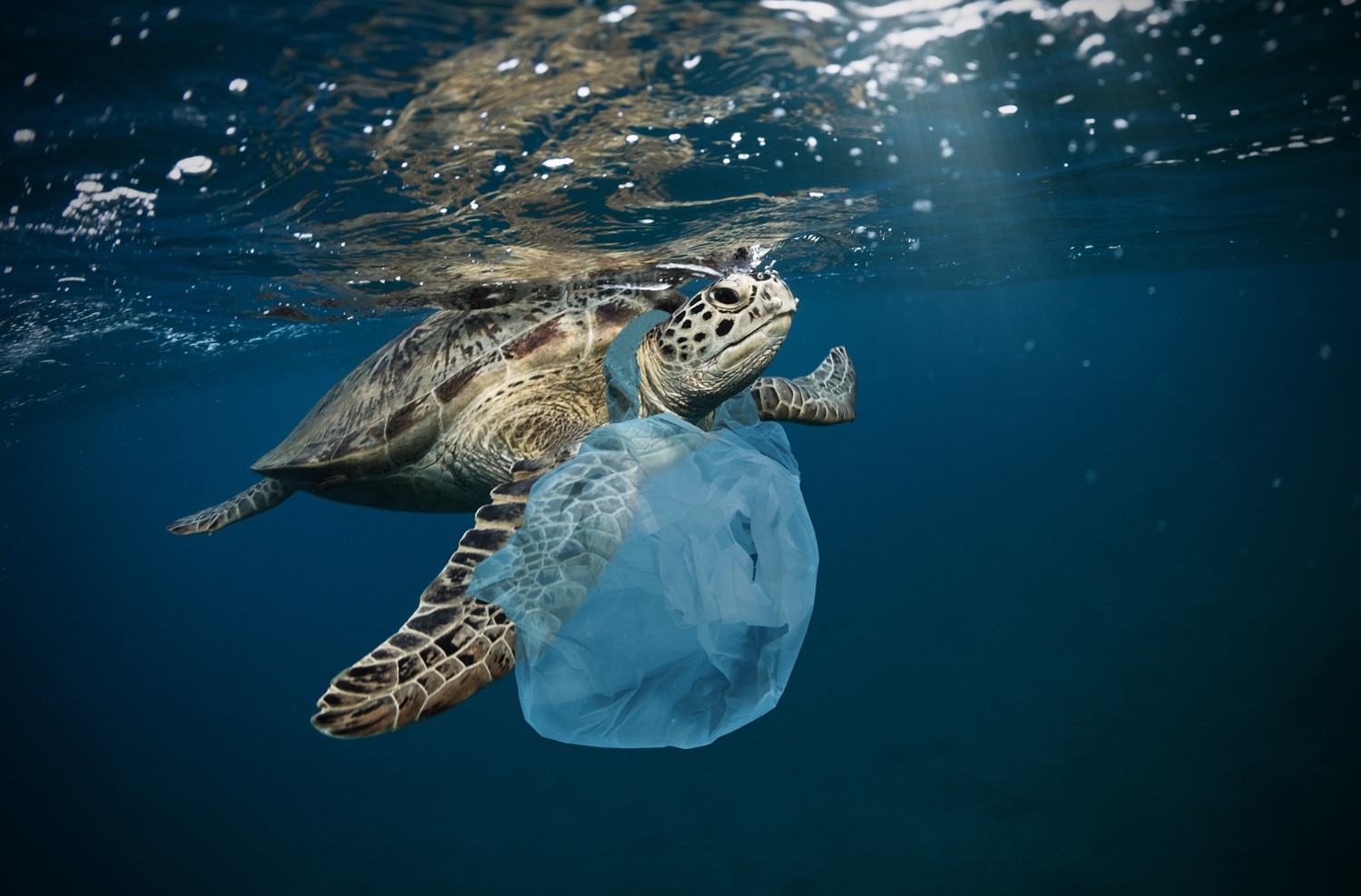
Human activities are threatening the health of the world's oceans. More than 80 percent of marine pollution comes from land-based activities. From coral bleaching to sea level rise, entire marine ecosystems are rapidly changing. Watch this video https://environment.ec.europa.eu/strategy/biodiversity-strategy-2030/3-billion-trees_en
Global warming is causing alterations in ocean chemistry and many oceanic processes, and it is threatening many species of marine animals that cannot cope with higher temperatures. Overfishing is a serious problem in many parts of the world, and plastic pollution is a serious threat to marine life.
Schools can help by working together to raise awareness about the threats to our oceans through poster campaigns or blogs. Reducing plastic use is also another way to help prevent more plastic ending up our waters. If your school is near the sea or ocean, then community actions such as litter picking the beaches are a great initiative.