Module 2.3: Reading
Introduction
According to OECD statistics in 2020 an incredible 500.4 kilograms per capita of waste was generated by each EU inhabitant. Therefore we need to change our waste habits. If your school can reduce the amount of waste it produces and implement recycling, not only will your actions have an environmental impact, but it will also benefit your pupils in the long run.
Refuse, Reduce, Reuse, Repurpose and Recycle - the Big 5. By following these ideals schools can:
· Reduce demands on natural resources
· Reduce the need for landfill
· Save energy and reduces the risk of climate change
· Save your school money
Waste reduction should be a whole school approach, thus it is important that everyone, directors, teachers, staff, students and cleaners are on board. Waste reduction (Refuse, Reduce, Reuse and Repurpose) should take place before separating waste for recycling. These activities have a significant negative impact on the environment, contributing to climate change. Recycling 1 ton of printing paper, for example, can help to save 24 trees from being cut down.
Learning Outcomes: By the end of this sub-chapter you will understand
· ways to get the whole school involved in the Big 5
· ways to reduce, reuse and repurpose materials in schools
· how schools can optimise their recycling
Getting the Whole School involved by Educating Pupils and Teachers
By educating pupils about the importance of recycling, we are inspiring them to think about how their personal actions affect the planet and their future environment. Learning about recycling in schools means that children are more likely to adopt it as a habit, helping to make them conscientious adults. This encourages students to implement their recycling tactics in their everyday life, helping to tackle the waste they produce at home. Read this article about children in Greece working together https://www.walktheglobalwalk.eu/it/news/1139-Schools-in-Greece-share-their-ideas-of-recycling-and-upcycling
Children should feel encouraged to contribute to your schools' recycling efforts. From going on scavenger hunts to find recyclable materials to challenging students to bring a lunch without waste, there are endless opportunities to implement fun ideas into teaching environmental awareness. Children are usually very engaged and enthusiastic to learn more about the environment, however often teachers feel as though they haven’t received adequate training to educate students about climate change. Therefore, it’s important to train staff about the environmental issues we face and the causes behind them so that they can teach pupils the same. Schools will then find it easier to get everyone onboard to tackle things like waste and have a more positive environmental impact.
Refuse what you don’t need
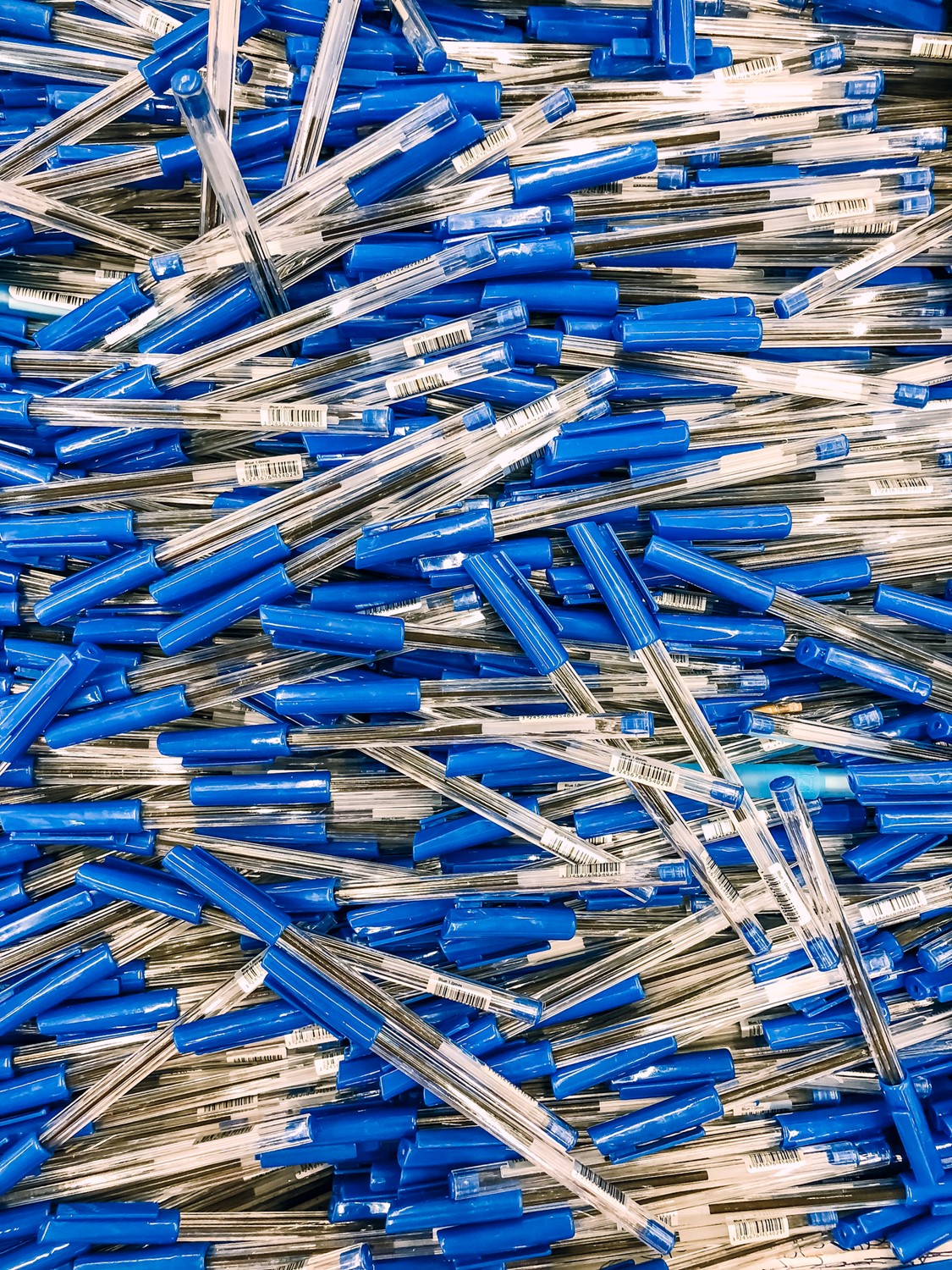
Refuse, simply means say NO. Refusing
materials is the primary way to lower our impact on the landfill and reduce
waste. Overconsumption and excessive production has
resulted in a flood of convenient, disposable, throw-away products made out of
plastic that release greenhouse gases and toxins, both during production and
when disposed-off. We need to stop
manufacturers from producing products which:
· Use methods of production that are harmful to the environment
· Are not made from recycled materials
· Are for single use or short-term use and to be then thrown away
· Are of such poor quality they break easily and cannot be fixed
· Contain harmful toxins
By refusing these products we can begin to show manufacturers that they must stop producing them. We have a responsibility to take action in our homes and schools by saying no to buying these types of items and looking for better alternatives. There are many small changes you can do such as:
· Refuse to buy things you don’t really need
· Refuse to buy things with excessive packaging (e.g. individually wrapped items like snacks)
· Refuse to buy poor quality single use or short-term use items such as:
o Pens – always by resuable pens with refills
o Rulers – try to buy metal rulers that will last longer
o Scissors – try to buy plastic-less scissors
· Refuse to buy plastic-based erasers, instead by natural rubber
· Refuse to buy cleaning and class materials that contain toxins, for example non-toxic, natural cleaning products and classroom glue and paints
· Refuse to buy multiple small individual items such as paint pots, when you can save packaging by buying in bulk and repurposing to smaller recycled containers
· Refuse to replace broken or old items with new without trying to repair or regenerate them
· Refuse to buy materials that have excessive shipping and packaging by buying more locally
Some of these issues mean that schools need to fundamentally look at their procurement systems. By changing the way they purchase new materials, schools can be open to more local opportunities, especially buying locally produced meat, vegetables and other foods. This will save on production and transport emissions and also offers a whole breadth of learning opportunities and collaboration for the children, as they can learn where their food comes from, visit the local producers and learn how food arrives on their plate. You can read about the EU’s Farm to Fork framework here https://www.farm-europe.eu/news/eu-school-food-procurement-schemes/
Reduce, Reuse, Repurpose
Reducing simply means to reduce the waste we produce. We can do that by firstly Refusing to buy excess, and then Reusing or Repurposing materials to a new life until we eventually Recycle them.
What are the Different Types of Waste in Schools?
By knowing the different types of waste you produce in a school, you’ll be able to better understand how to reduce it. Here, we outline the four most common types of waste found in schools:
· Paper
· Plastic
· Food
· Electronics
Reduce, Reuse and Repurpose: Paper
For the education sector, paper
is the main type of waste, typically compromising of at least a quarter of
school waste. Although you may continue to use a considerable amount of paper
in school, it’s important to note that the majority of it can be recycled.
The main way to begin to reduce and recycle paper better in your
school is to involve the staff and children directly. Children can take on responsibilities such as
monitoring paper bins, emptying classroom paper recycling bins and creating
ways such as posters to remind their peers and teachers about using less paper. Some simple ideas to implement include:
Reduce:
· Before printing, consider if the task really needs to be printed. One of the easiest changes you can make to cut down on paper waste is by replacing some of your paper forms with digital forms.
· Photocopying only in black and white, double-sided
· Convey messages to parents via email address system or school blog instead of sending out individual letters with children.
· Where possible, promote the use of recycled paper, especially for photocopying.
· Communicate to staff through email, intranet or post notices on a staff bulletin board.
· Use reusable envelopes for interoffice mail.
· When necessary, print school circulars on A5 papers thus reducing excessive use of paper and printing devices.
· Reuse texts books when possible
Reuse and Repurpose:
· Designate a drawer for scrap paper. Scrap paper can be used again for rough drafts, notes, spelling tests and more. If students have a piece of paper that hasn’t been used on the back, have them put it in a container to use again.
· Have a designated draw for coloured or cut paper too to make sure that it can be used for artworks and crafts such as papier-mache projects or to make mosaics later.
· Encourage children to bring in recycled cardboard such as cereal packets etc for Art projects
Reduce, Reuse and Repurpose: Plastic
Whether it is plastic straws attached to milk cartons or parents using sandwich bags to wrap packed lunches, plastic waste is a huge problem for schools. It seems that the bulk of this waste derives from snacks and lunches, but there are ways to reduce it.
Reduce:
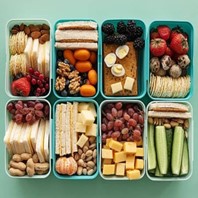
· Reduce the amount of plastic coming into school through snacks and lunches by encouraging children and parents to bring snacks with no individual packaging, using reusable bento and snack boxes.
· Eliminate the use of single use water bottles. Encourage children to bring in their own reusable water bottle and provide fountains for refilling throughout the day.
· Don’t provide sauce sachets in the canteen, instead buy in bulk and refill reusable containers.
· Work with the school canteen to eliminate the purchase of foods individually wrapped in plastic and find alternative products.
· Don’t use plastic straws or cutlery in the canteen.
· Choose reusable cups and plates for class parties
· Reduce laminating where possible, using reusable plastic pockets instead.
Reuse and Repurpose:
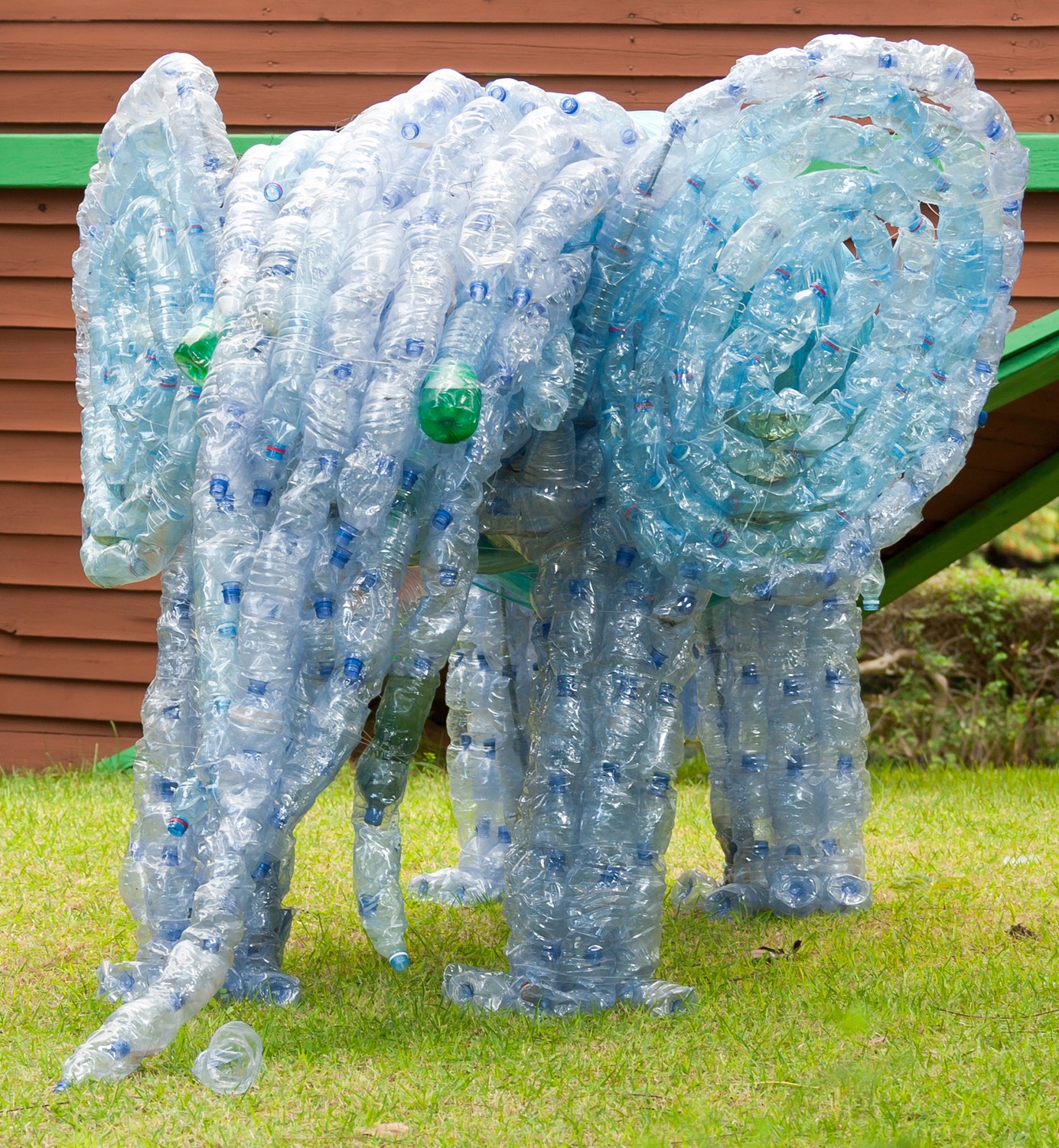
· Reusing materials in the classroom for something creative can be a great and easy way to show your child how to reduce waste. Repurposed materials can make great art projects for your class to encourage children to get creative. Your pupils can clean plastic water bottles to make vases or pencil holders, make sculptures or even make their own musical instruments.
· Some packaging can be saved and repurposed to make new things. So rather than buying new supplies for your classroom, you could try making your own. For example, egg cartons can be used to store arts and crafts items, or a yoghurt container can be used as a crayon holder, or you can repurpose old handwash containers as paint dispensers to avoid spillages.
Watch how a Czech artist is repurposing plastic into beautiful sculptures here (1.27)
Reduce, Reuse and Repurpose: Food

Reduce:
· Re-evaluate the school canteen to avoid wasting food:
o How much food is wasted?
o Why is food being wasted?
- Is there not enough choice for children to choose the foods they like and will eat?
- Do they enjoy the food?
- Are the portion sizes appropriate?
- Are they accurately preparing the right amount of food for the children present each day?
· If children cannot finish their meal consider bringing in tupperware to take home leftovers
· Consider creating longer lunch periods, so children have enough time to finish their meal.
· Use the different subjects in school to help teach students about food waste. Math to create graphs about the school’s food waste; Science to study how food rots in landfills, and to learn about the cycle of seeds from plants to compost.
Reuse and Repurpose:
· Organise a food donation/Food Bank bin to donate unopened food to people in situations of social vulnerability. This is also a great way to teach children to give back to their community.
· Make posters about food waste with your art teacher and hang them in the cafeteria. Did you know that you can make homemade fabric dyes from beets, carrots, red cabbage, onion skins, citrus peels, and spinach?
· Composting is a great way to deal with the problem of waste in schools. Before setting up your composting scheme, it would be useful to conduct a waste audit. This will allow you to easily assess what is thrown away and the quantity of each material. You will then feel more equipped to make better decisions about the type of composting system you should put in place. Going forward, you could even use your school composting scheme as a learning resource to study mini-beasts, gardening, and food waste.
Reduce, Reuse and Repurpose: Electronics
A record 53.6 million metric tonnes (Mt) of electronic waste was generated worldwide in 2019, up 21 per cent in just five years, according to the UN’s Global E-waste Monitor 2020. Electronic waste is among some of the most hazardous. Most schools use electronic devices, whether it’s a computer monitor or a printer. Under the EU Waste Electric and Electronic (WEEE) Regulations 2013, electrical equipment such as old computers must be correctly disposed of. This means ensuring any equipment is recycled, rather than ending up in landfill.
Electronics in schools often create a lot of waste. For example, printers produce a lot of waste like ink cartridges that often get sent to landfills once they have run out, having serious consequences for the environment. These plastic ink cartridges can take up to 1,000 years to decay, often contaminating the land beneath as they still contain some traces of ink.
Reduce:
· Buy buying good quality devices that can be supported for many years to come, Schools can maximise the life of the eletrical devices they buy and reduce the need for more frequent purchases
· Buy using electrical accessories such as printers less often, there is less need to buy new cartridges, toners and paper
· By properly protecting and maintaining the devices we buy, we can extend their life.
Reuse and Repurpose:
· Many companies will typically keep devices supported for 3-5 years due to software support issues. This means that many well-functioning devices are no longer able to be used but can be repurposed by specialists and given a second life elsewhere such as in schools or charities.
· Many electrical devices end up being unused or disposed of, when it is possible to fix them. So it is important that devices are properly maintained and managed so that they are repaired when broken, rather than disposed of.
· Accessories such as ink cartridges can be reused and refilled rather than buying new and must always be recycled.
Read here about an innovative school in Belgium https://aware-eit.eu/2020/12/15/e-waste-recycling-school-kid-heroes-in-the-making/
Recycling
When all that has been done to Refuse, Reduce, Reuse and Repurpose the things we use, and they are finally at the end of their life, we look to try and recycle as much as we can.
Recycling Bins
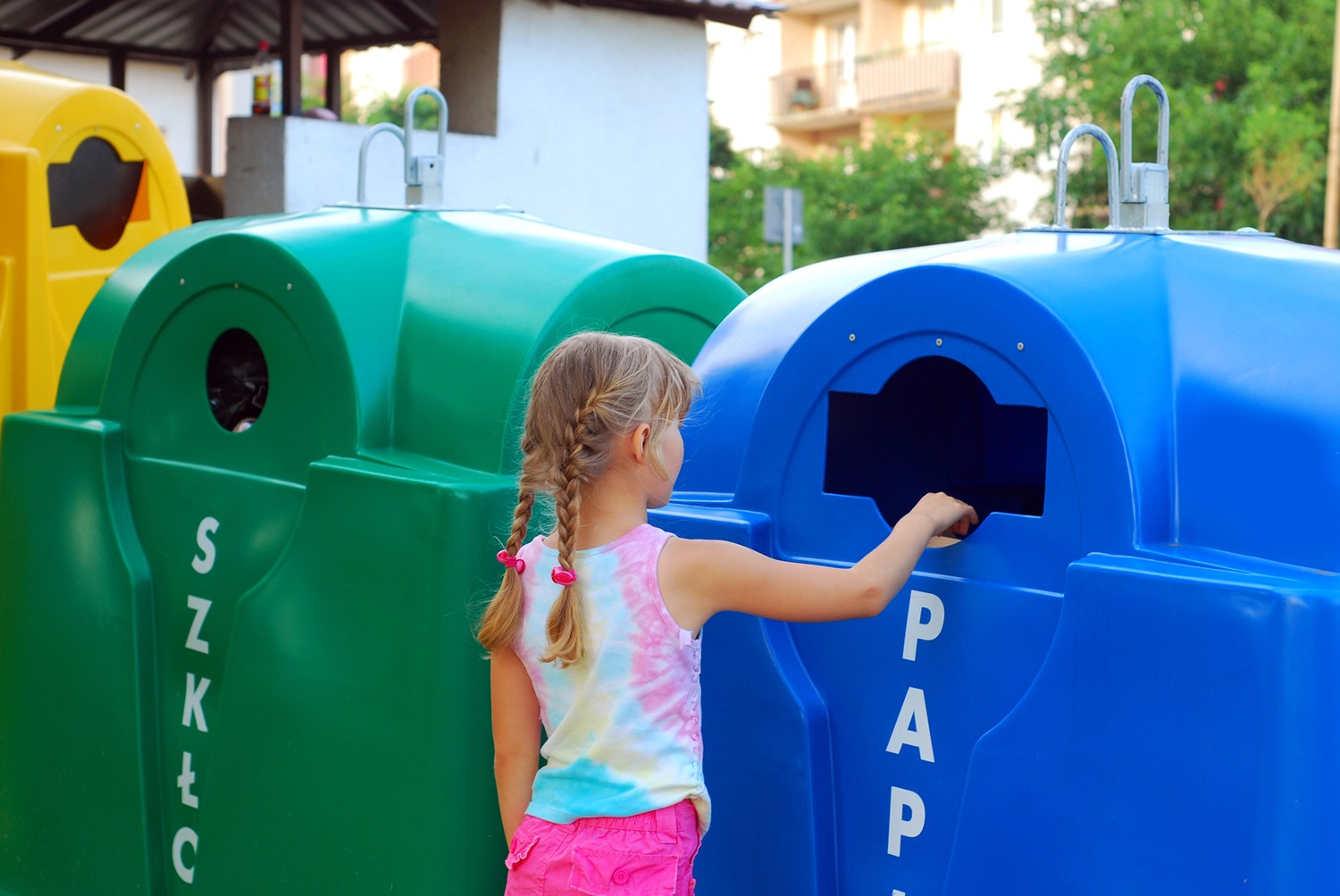
Many schools are currently using recycling bins to encourage children to dispose of their recyclable waste. It’s essential that these recycling bins are clearly labelled and accessible around the whole school – inside and outside. In order to encourage children to use these bins efficiently, you could ask pupils to design their own recycling labels to help them easily identify where to put their waste. Children could also create their own posters as an additional reminder.
Swap and Donate
Donating books that you've outgrown to charity or planning a school used-book sale keeps the tomes in the recycling loop, as does forming a book exchange group. Make it easy for pupils and their families to swap, donate and exchange second-hand things. You could even run a swap shop!
Also make sure that if there are school supplies or equipment that are not needed or leftover at the end of the year, donate them to a local organization instead of throwing them away.