Module 2.1: Reading
Introduction
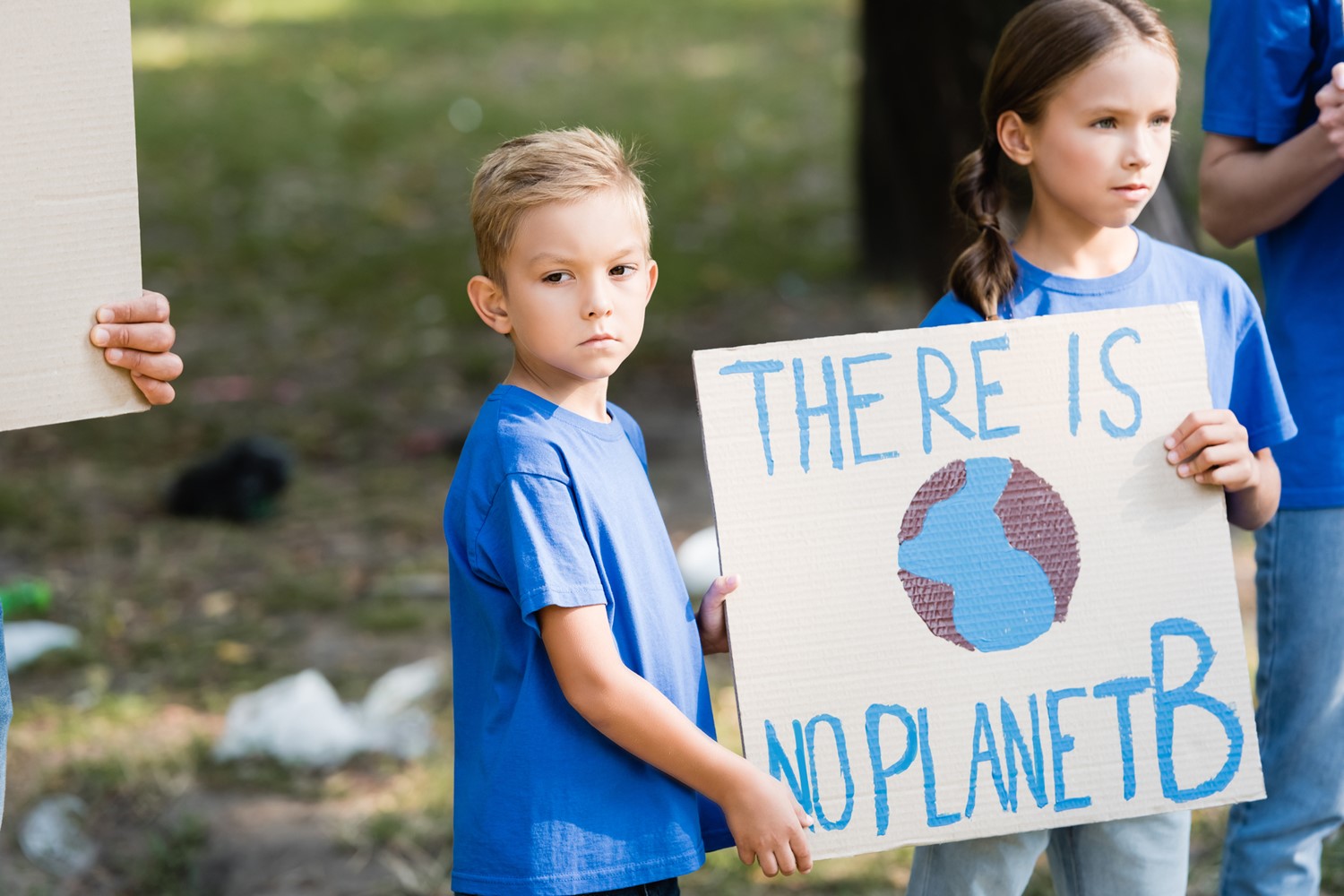
Our planet is at risk because the way people live across the world is continually damaging the environment. Human activities have increased levels of global warming and environmental degradation, which has led to climate change across the globe and the depletion of natural environments and resources.
This module will discuss the issues of global warming and our carbon footprint, and provide some practical, low-cost suggestions for schools to reduce their carbon footprint including:
2.2 Energy Efficiency
2.3 Refuse, Reduce, Reuse, Repurpose and Recycle
2. 4 Environmental Conservation in Schools
2.5 Adapting How we Travel
2. 6 Saving Water
One way to begin is to understand our own and our school’s carbon footprint. This is how much we as individuals create greenhouse gases by the way we live. By understanding our own way of living (by the way we live, travel, shop and eat) and how it impacts the greenhouse effect, we can find ways to reduce it and conserve the world we live in.
Learning Outcomes: By the end of this sub-chapter you will understand
What the greenhouse effect is
What climate change is
What a carbon footprint is
How everyone’s carbon footprint affects greenhouse gases
Why it is important to reduce our own carbon footprint and ideas how to start
What is the Greenhouse effect?
Watch this video from Nasa Climate Kids
The Greenhouse effect is the way in which heat is trapped close to Earth's surface by greenhouse gases. These heat-trapping gases can be thought of as a blanket wrapped around Earth, keeping the planet warmer than it would be without them. Gases include carbon dioxide, methane, nitrous oxides, and water vapour.
Greenhouse gases occur naturally and are part of our atmosphere's makeup. They let the sun’s light shine onto Earth’s surface, but they trap the heat that reflects back up into the atmosphere. In this way, they act like the insulating glass walls of a greenhouse. The greenhouse effect keeps Earth’s climate comfortable. Without it, surface temperatures would be cooler by about 33 degrees Celsius, and many life forms would freeze. However, Earth’s greenhouse effect is getting stronger as we add greenhouse gases to the atmosphere. That is warming the climate of our planet.
Read this article to see how the greenhouse gases are evolving in the EU:
https://ec.europa.eu/eurostat/statistics-explained/index.php?title=Quarterly_greenhouse_gas_emissions_in_the_EU
What is Climate Change?
Watch this video from National Geographic Causes and Effects of Climate Change | National Geographic
Climate change is the long-term shift in average weather patterns across the world. The cause of current climate change is largely human activity, like burning fossil fuels such as natural gas, oil, and coal. This has caused global temperatures to rise, resulting in long-term changes to the climate.
Changes to the climate system include:
Hotter temperatures – As greenhouse gas concentrations rise, so does the global surface temperature. The last decade was the warmest on record, and they have kept getting warmer since the 1980’s.
Rising ocean levels – Rising temperatures are causing glaciers and ice sheets to melt, adding more water to the oceans and causing the ocean level to rise.
Ocean acidification – This occurs when the ocean absorbs carbon dioxide and becomes more acidic, making it difficult for species to survive and affecting fishing and food supplies.
Loss of species - Exacerbated by climate change, the world is losing species at a rate 1,000 times greater than at any other time in recorded human history.
Extreme weather events – Climate change is causing many extreme weather events to become more intense and frequent, such as storms, heatwaves, droughts, and floods.
Not enough food - Changes in the climate and increases in extreme weather events are among the reasons behind a global rise in hunger and poor nutrition.
Many countries all around the world are now recognising this problem and forming agreements and targets to reduce greenhouse gases and stop the world warming up such as the United Nations COP meetings which formed the Paris Agreement in 2015. You can read about how Europe is facing climate change adaption here https://www.eea.europa.eu/themes/climate-change-adaptation
You can see the total greenhouse emissions trends and projections for Europe here https://www.eea.europa.eu/ims/total-greenhouse-gas-emission-trends
What is our carbon footprint?
Watch video from the BBC Climate Change: Your carbon footprint explained - BBC News
Our carbon footprint describes the amount of greenhouse gases (including carbon dioxide and methane) that are generated by our daily actions. These different actions all add up to create our own unique footprint. Actions include:
Environmental conservation – restoring our natural landscapes and eco-systems
How often and far we travel and by which means
Or food consumption and eating habits
Our daily actions using water
Our recycling and reusing habits
Our consumption habits – how much we buy and use
How efficient is our school and home that we spend time in
The products we buy and use in our daily lives
Each of these actions on their own seem quite small, but as each action contributes greenhouse gases to the environment it adds up quickly.
How do you calculate your own carbon footprint and how can you reduce it?
Worldwide, the average person produces about four tons of carbon dioxide each year. This is a really interesting concept for our children to understand.
Here you can use the EU’s carbon footprint calculator for individuals and families https://eplca.jrc.ec.europa.eu/ConsumerFootprint.html
Here you can try a children’s carbon footprint calculator with the children in school using https://calc.zerofootprint.net/ or https://8billiontrees.com/carbon-offsets-credits/carbon-ecological-footprint-calculators/kids/
You can minimise your carbon footprint and help the environment in many different ways. Whether at home, work, school, or while you travel, small changes can add up. Some things you can try are:
Improving energy efficiency
Wasting less, reusing and recycling
Help environmental conservations by preserving our land and ecosystems
Using natural forms of energy
Adapting how you travel
Adapting how you shop
More ideas will be explored in the following few sub-chapters.