Module 3.3 Good practices
1. Wetland of Lesvos - A rich national Heritage
Wetlands are ecosystems of incalculable and multiple vital importance for the natural balance and for humans themselves. The program aims to get to know the biotic and abiotic elements of coastal wetlands and the functions that make them valuable places in the global ecosystem.
Summary implementation plan:
Basic concepts, types and functions of wetlands are presented as well as
derived values, the problems arising from human activities and interventions,
the protection status of wetlands.
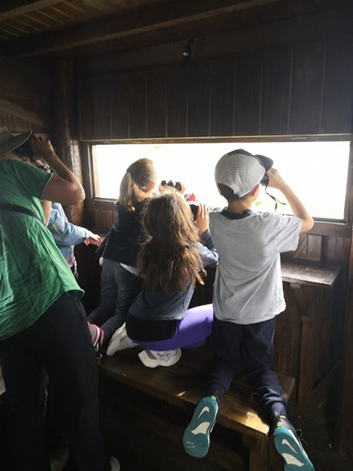
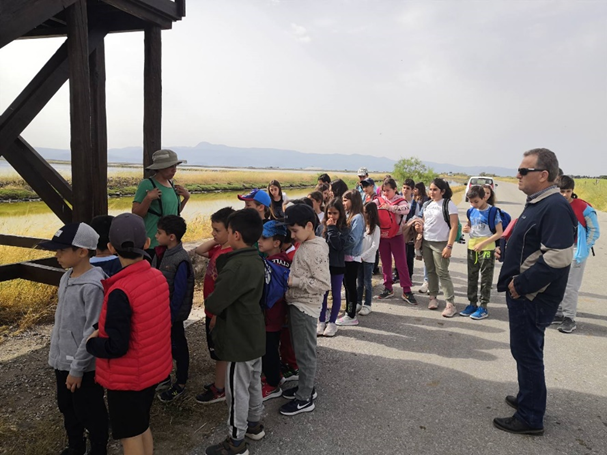
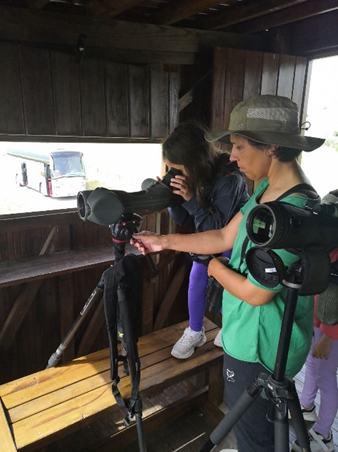
Visit to the salt marshes in the
Gulf of Kalloni, to observe flora and fauna and to map the food chain of the
wetland. Presentation of fauna was made by Eleni Galinou, environmentalist and
member of Lesvos Geopark.
2. On the paths of the chestnut forest of Lesvos
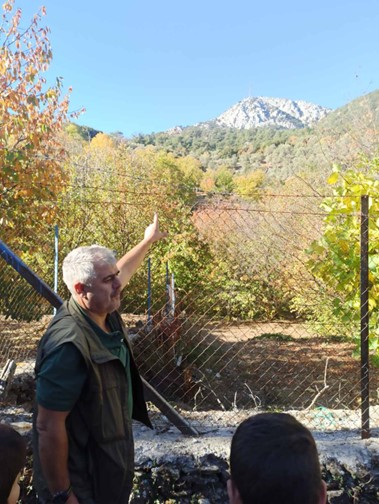
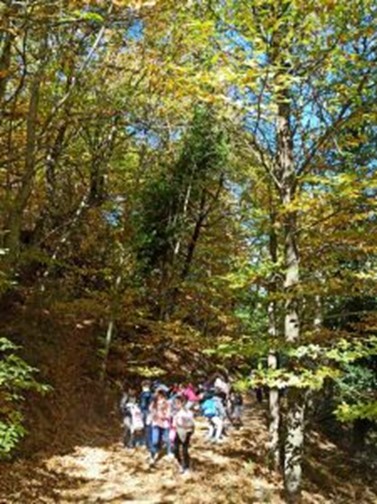
Our students got to know the wild beauty of the chestnut tree of Agiasos. In an educational visit organized by the Center of Environmental Education of Evergetoulas, they walked in two groups on the paths of the chestnut forest, heard very interesting information about chestnut products and picked chestnuts.They also collected leaves from various trees that exist in the area, identified what kind of tree they belong to and took them to school to use them in arts lesson.
3. Once upon a time... Αn ecologically conscious fairy tale
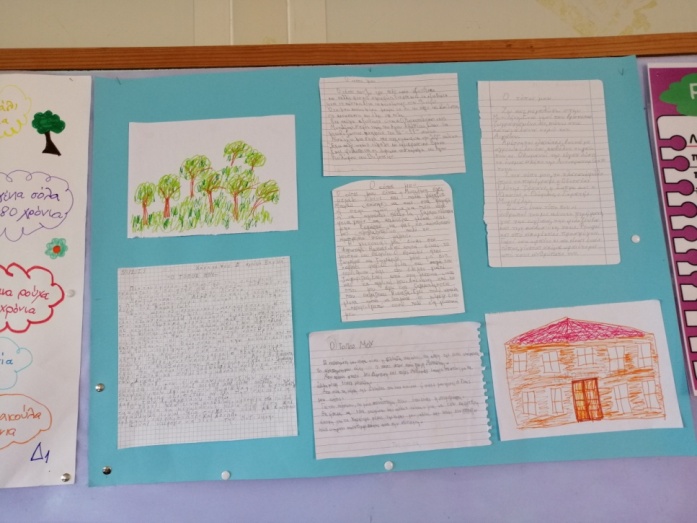
The chestnut forest is a unique natural gem of the Mount Olympus on the island of Lesvos, is a non-native chestnut forest, covering an area of 11,000 hectares. Students, after vising and learning about its special flora and fauna, were instructed to write an Eco-friendly short story about it.
The main aim was to raise students' awareness of the forest ecosystem and environmental problems associated with it and taking action to protect it. Particular emphasis was placed on the issues of excessive logging in the story. Αfter the story was written the students illustrated it.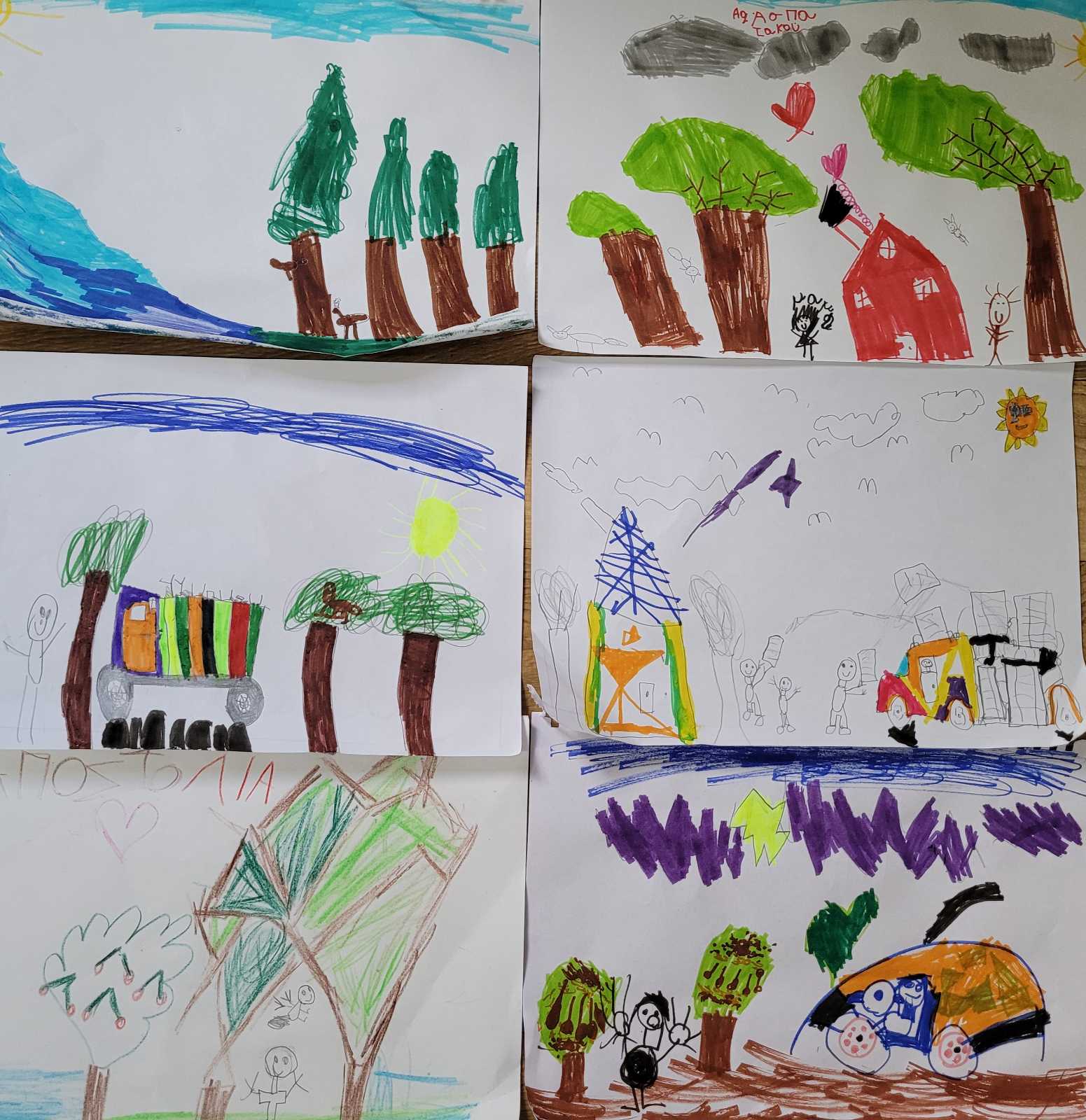
4. Visit to Teriad Museum
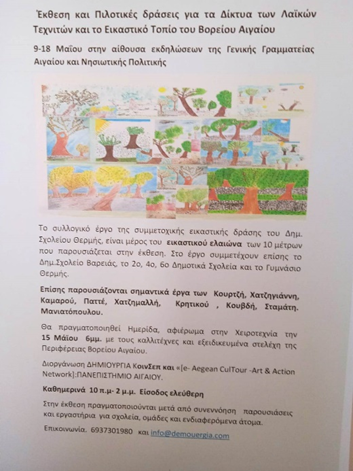
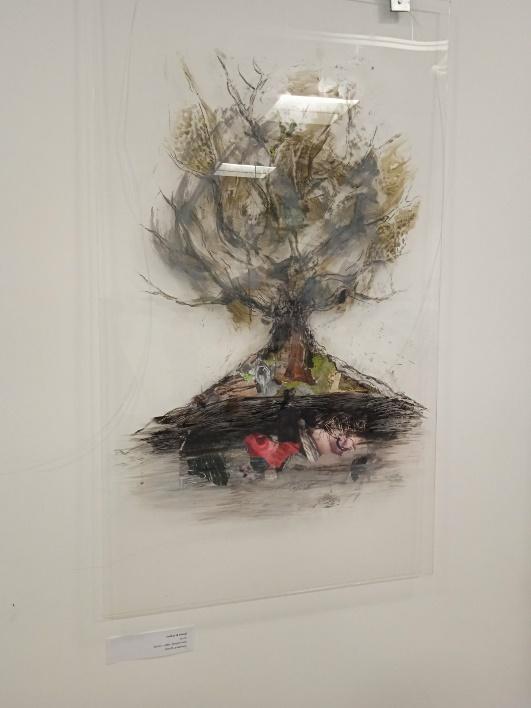
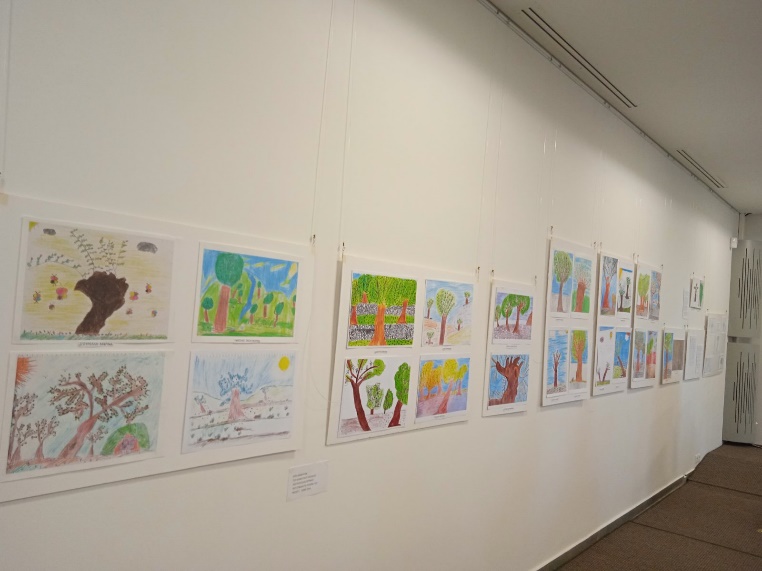
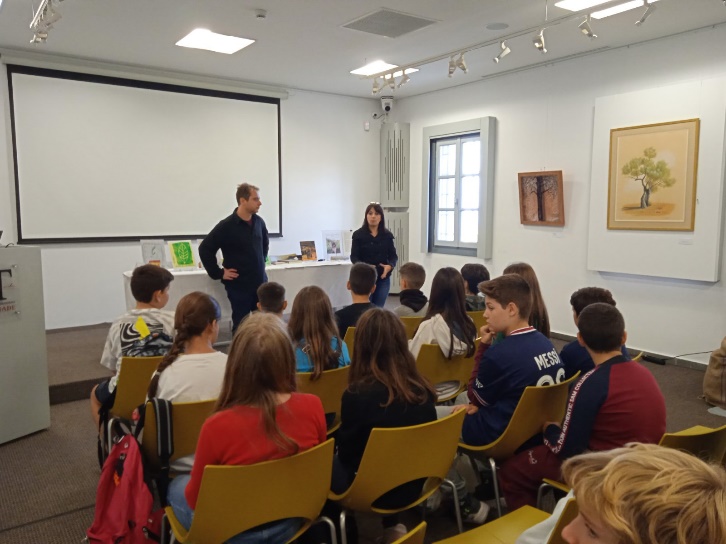
Τhe students visited the Teriad Museum in order to attend the Multi-Thematic Art Exhibition entitled "The Wise Olive". The professor of Sociology of the University of the Aegean, Mr. Chtouris, talked about the exhibition to the students.The exhibition was realized as an experimental, participatory art action, creating different representations about the idea of experiencing the olive culture. The customs of the local communities and the practices of the family institution, among other things, form the basis of historical narratives and are proposed as the cultural-social background of the dialectical association of contemporary visual forms with utterances of the theoretical discourse. The methodological approach of the works concerns the transformation of aesthetics and theoretical concepts. This practice aims to transfer art to the reference area of the olive tree and present the meanings resulting from the interaction with the place through art, ensuring new ideas and a perspective of socio-cultural capital in the communities in and around the olive groves.
5. Plastic free Lesvos
The voluntary organization "Plastic free Lesvos", with Yioula Koutsoubou from the Home made Crafts Workshop visited our school. Plastic free Lesvos is a group created by concerned Lesvos citizens about the overwhelming plastic crisis on our beaches, seas and land.
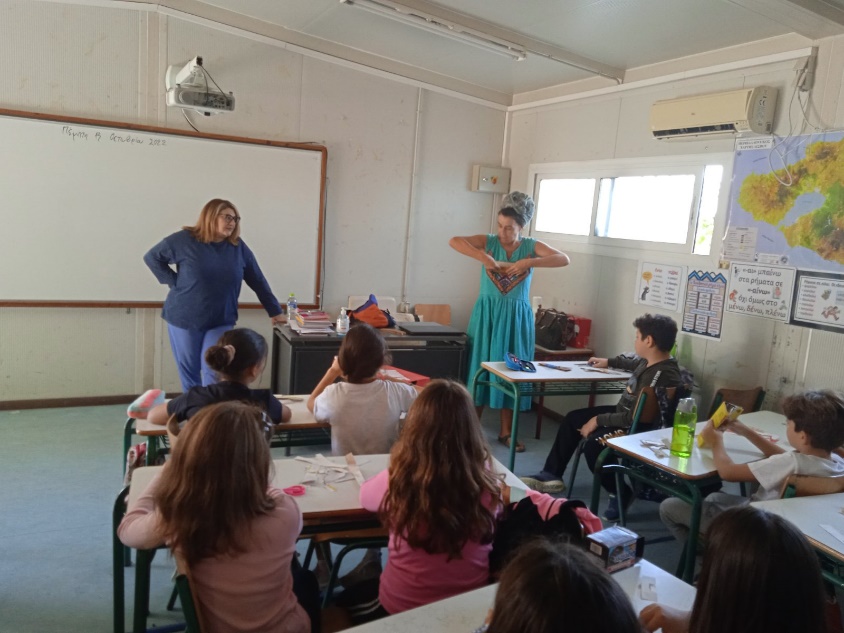
First, there was an update on how the planet and the environment are burdened by the use of plastics. The students then made a small wallet out of paper boxes they had brought from home.
By actively participating in environmental education programs, a student is given the opportunity to develop skills and abilities important in gathering material and information, observing using his senses, experimenting and testing hypotheses, taking notes, organizing, classifying and to better study what interests him. The children asked questions, were concerned, made observations about similarities and differences, drew conclusions using different methods (inductive, productive) in order to arrive together at solutions and at the great essence which is the protection of the environment.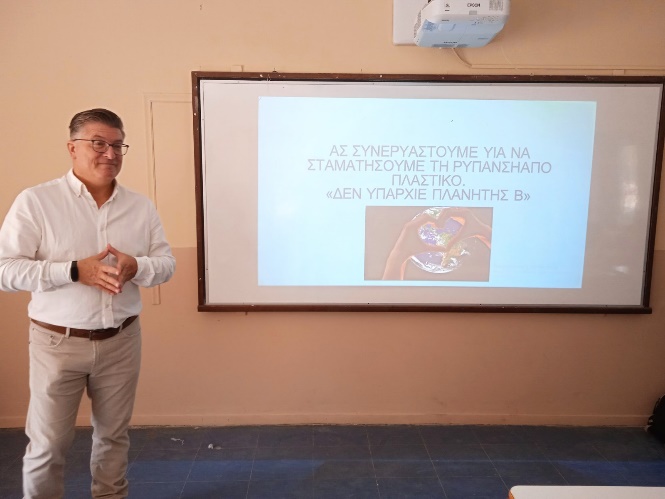

6. Utilization of recyclable materials
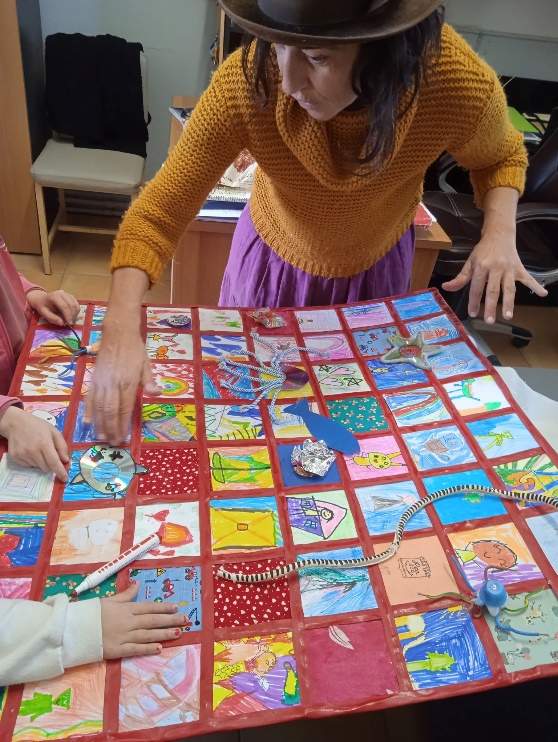
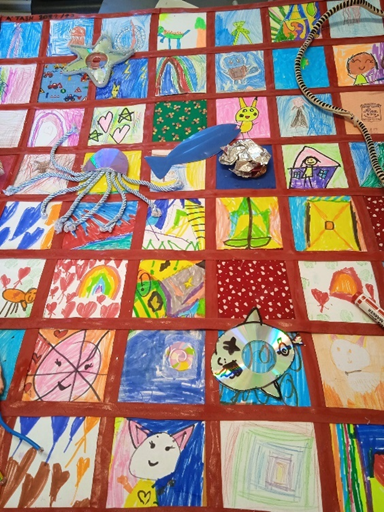
Creating a board game out of recycled materials
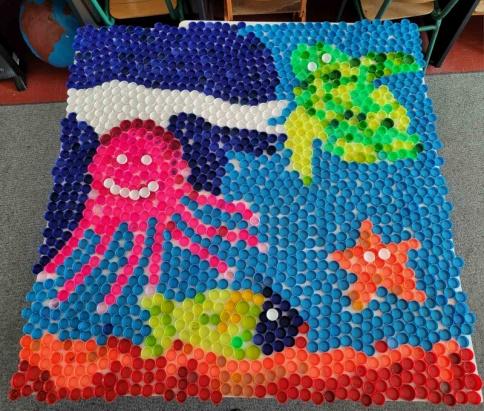
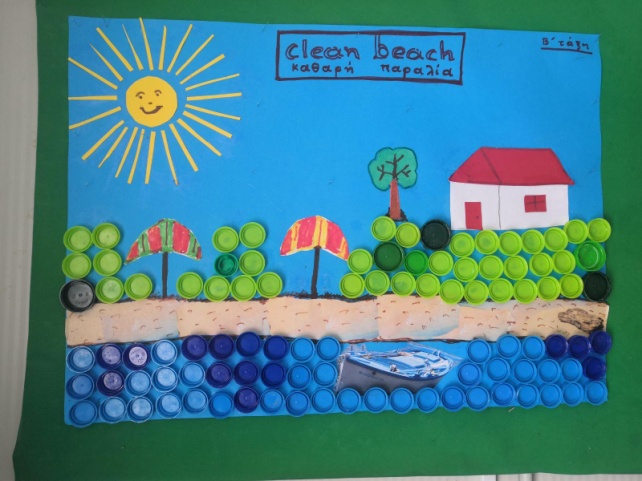
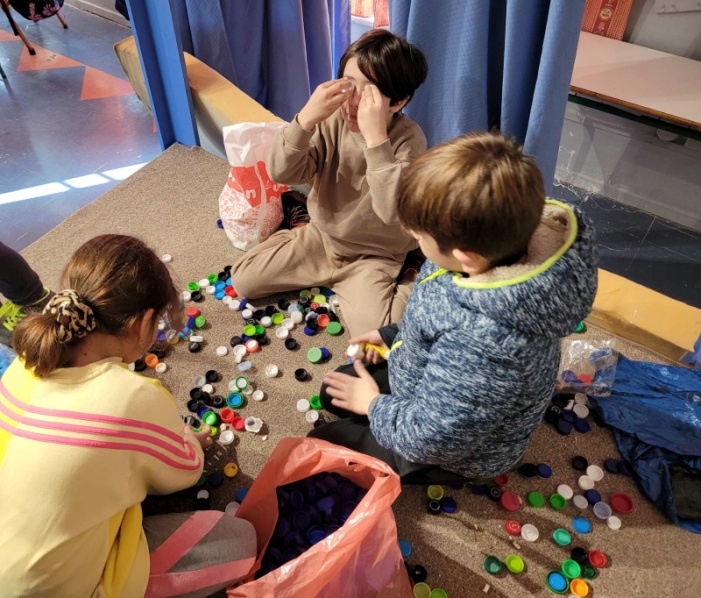
Making a construction from bottle tops
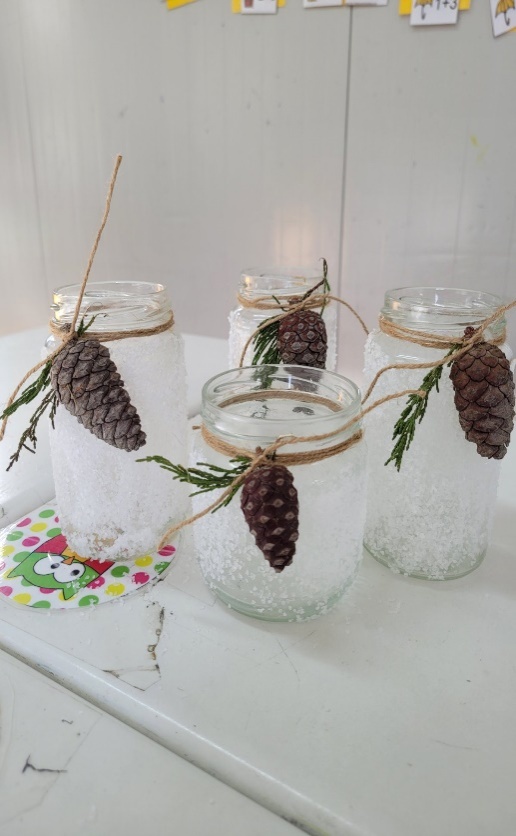
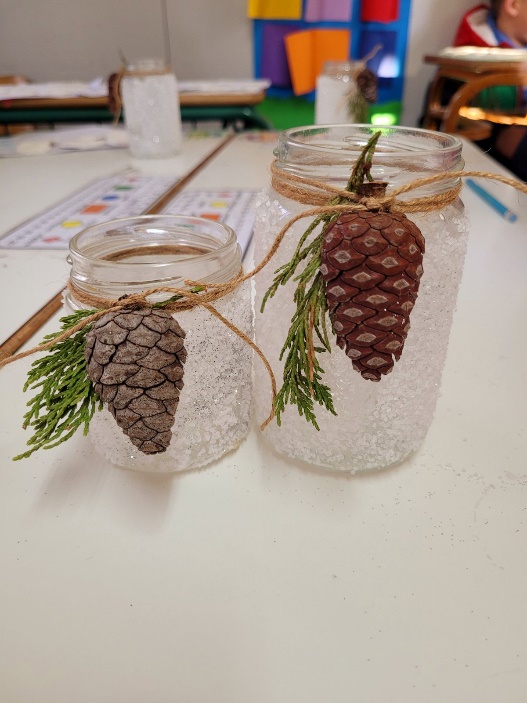
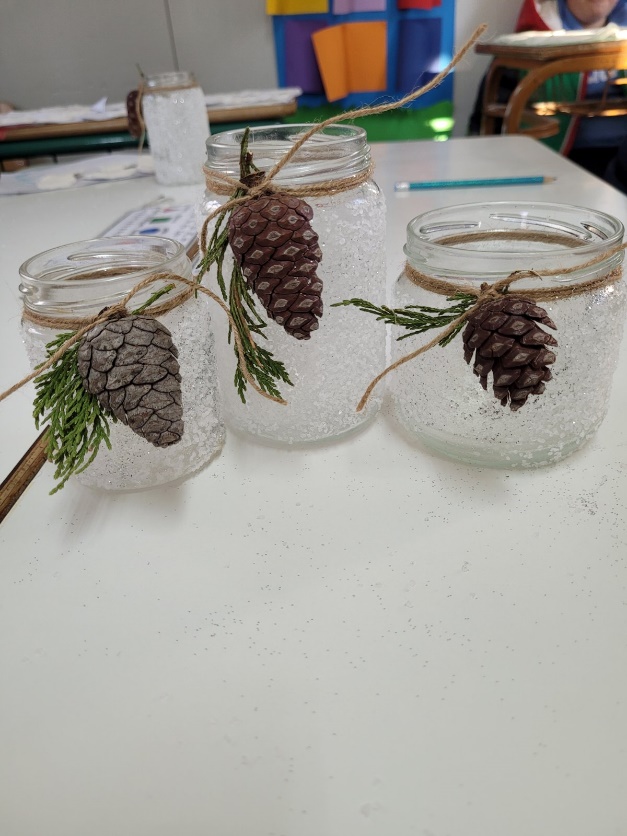
Candle holders from used vases
Before Christmas,our students brought used jars in order to make crafts. We covered them with a thin layer of glue and sprinkled a layer of fine salt on top. We let them dry and then they were decorated with pine cones and small branches of pine.
The aim of this project was to teach students about reuse. Reuse cuts down on the amount of waste produced and savors the “embodied energy” of a product (the energy that has already been put into producing the item). Reusing items can help us reduce our environmental footprint.
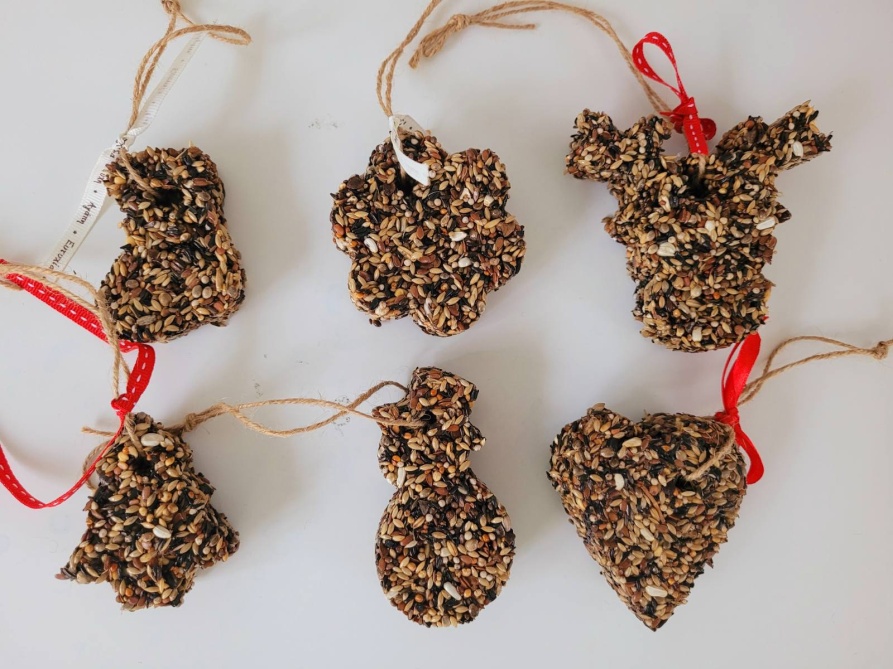
Christmas ornaments with wild bird seeds
Through experiential activities, the students of the first grade noticed that when the temperature changes and as the weather gets colder, the birds do not easily find food. They also learned that every year many species of birds accomplish a feat of travel, twice. Once from South to North in spring and once in autumn following the reverse course. The route they have to take is not easy and the distances they travel are long. During such an exhausting journey, a large amount of energy is required. So they thought, it's a good opportunity to help their feathered friends and also observe nature. We hang the ornaments from the trees in our school yard and observed the birds devour them! This feeder is simple to make, inexpensive, and leaves no litter.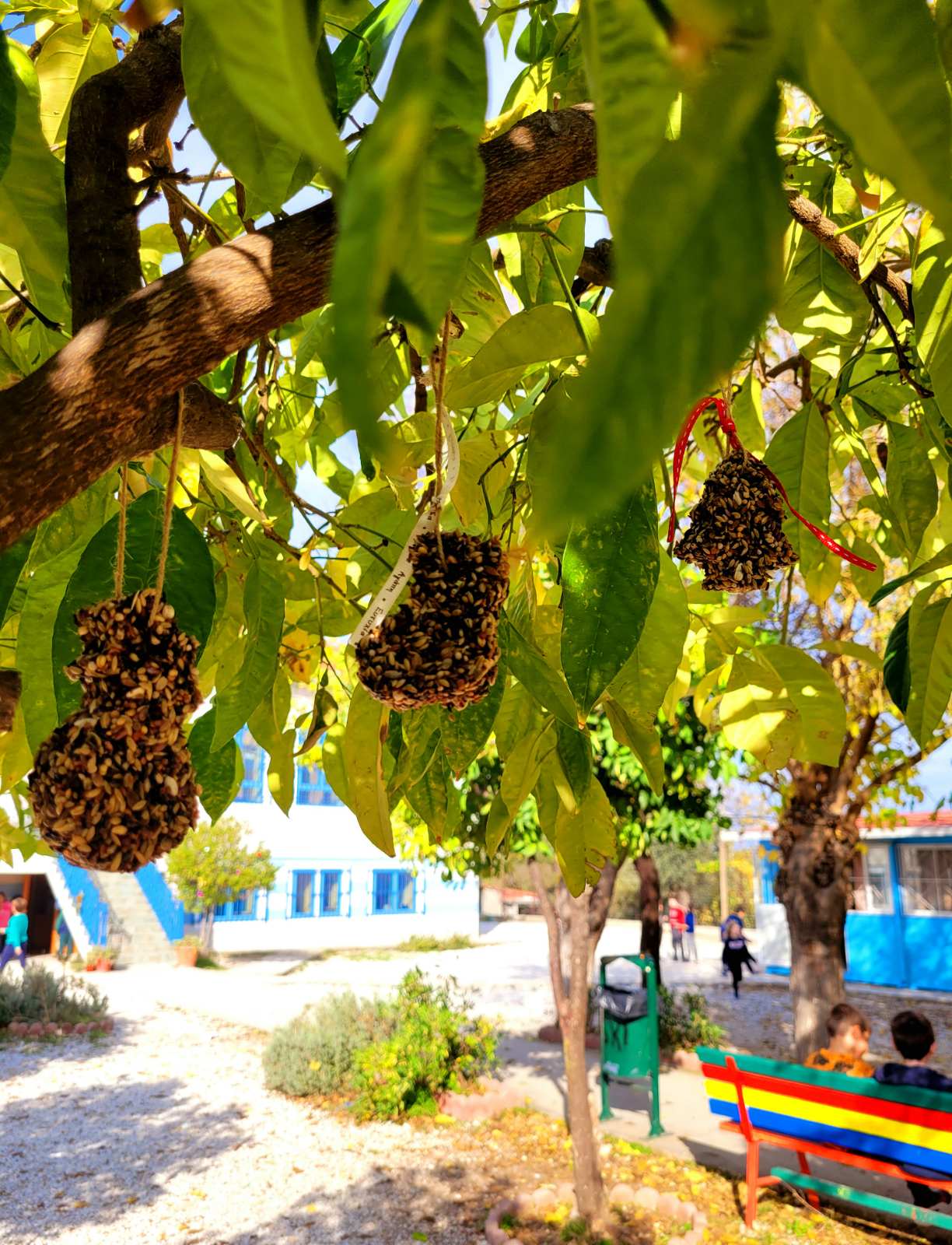
7. Learning about recycling
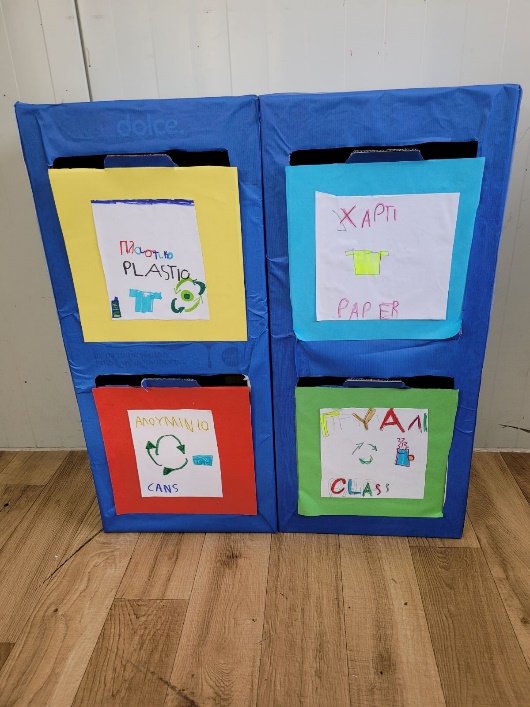
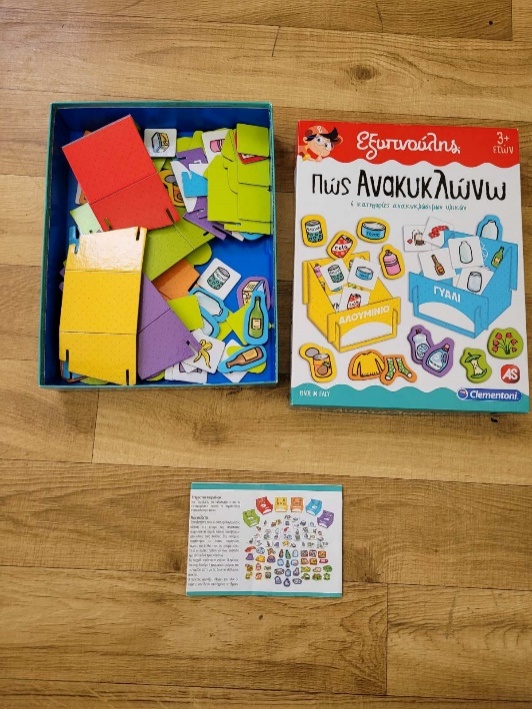
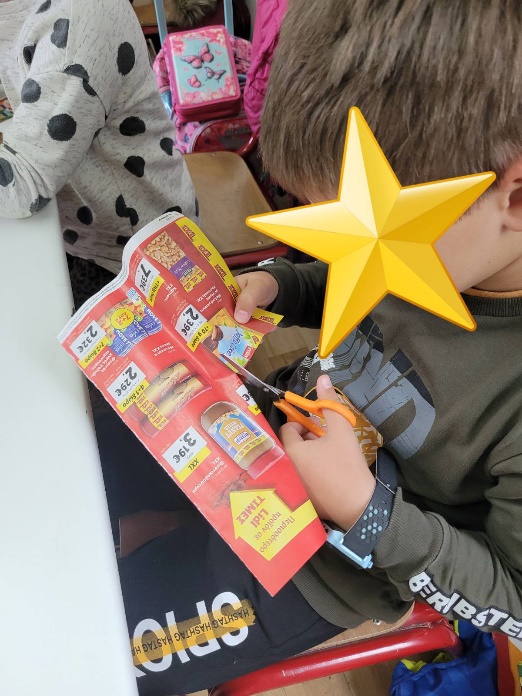
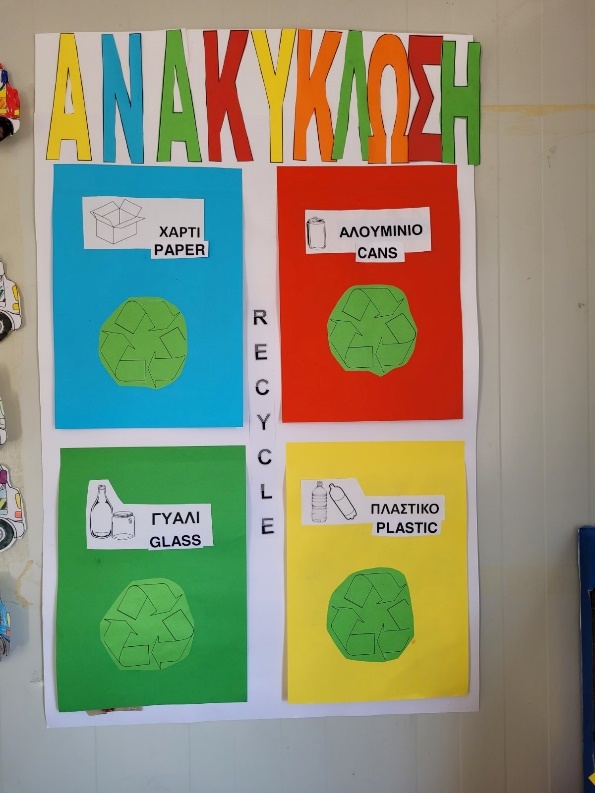
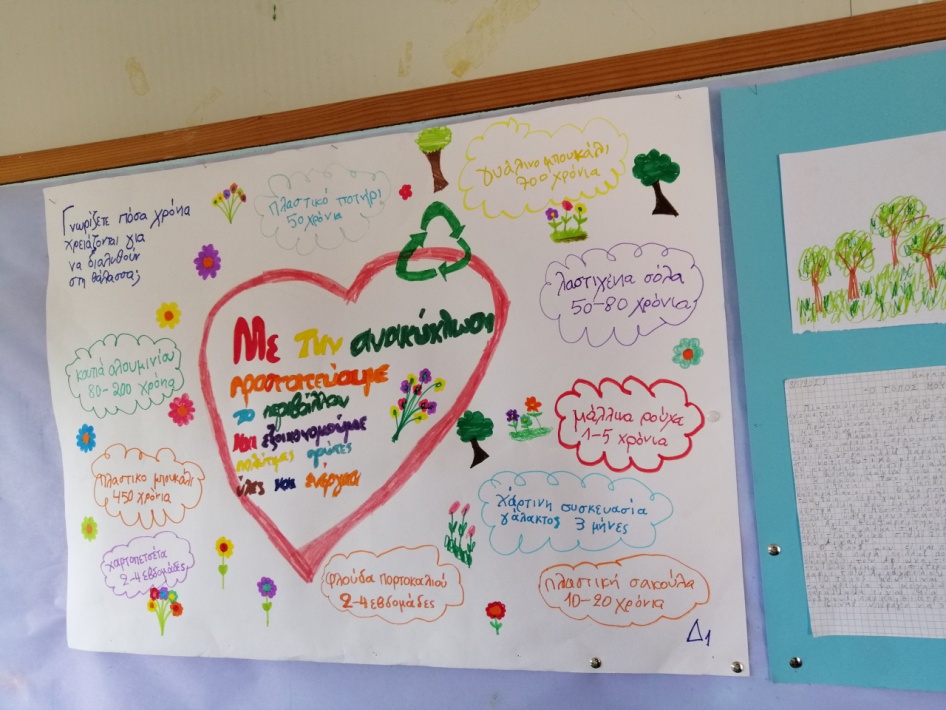
Wanting the students to be educated on environmental issues and to get to know recycling (so that they can integrate it into their daily life both during childhood and in adulthood), relevant actions were implemented. The actions included exploring prior knowledge on the subject, showing educational videos on the process of recycling, painting, playing a board game, categorizing garbage for recycling and creating a poster, making a recycling bin from cardboard boxes.
· The objectives of the training program were:
· To make children aware and active in issues that concern them directly, such as that of Environmental Protection.
· To develop critical thinking about the garbage problem, but also to create a personal opinion and attitude in solving the problems arising from it.
· To realize the necessity to make recycling a daily habit for all of us.
· Raise awareness, and in turn raise awareness among parents, siblings, friends and relatives to help increase the number of people who actively participate in Recycling.
· The acquisition of knowledge through experiential activity.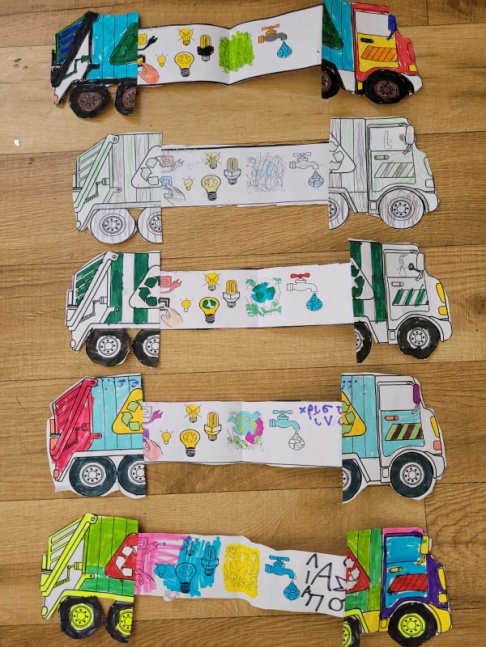

8. Easter candles
The custom of the Easter candle in Greece is one of the most well-known and possibly the most beloved, as in all of our minds it is inextricably linked to pleasant childhood memories.
The custom of the Easter candle that we light on the night of the Resurrection dates back to the first Christian times. A symbolism of the Easter candle is that it represents the light that Christ brought to humanity, when he "defeated" death, and darkness, through his Resurrection.
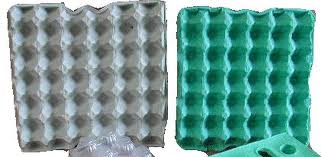
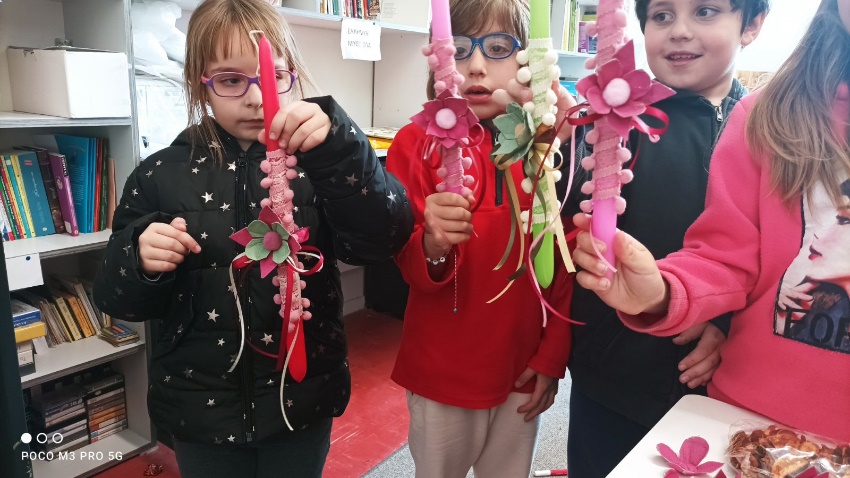
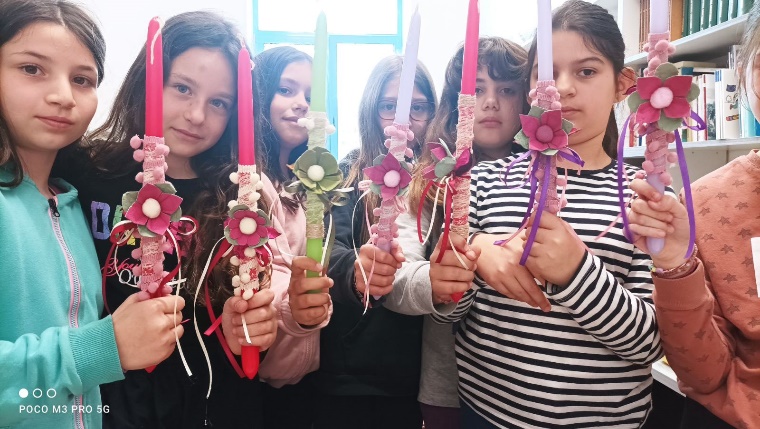
This year, the students' candles were given an ecological spirit, as they were made from recyclable items and egg cartons. Paper egg cartons were creatively reused, making flowers that decorated the candles.
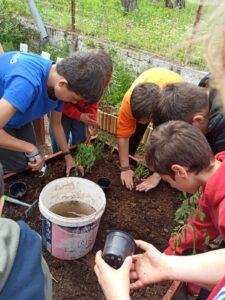
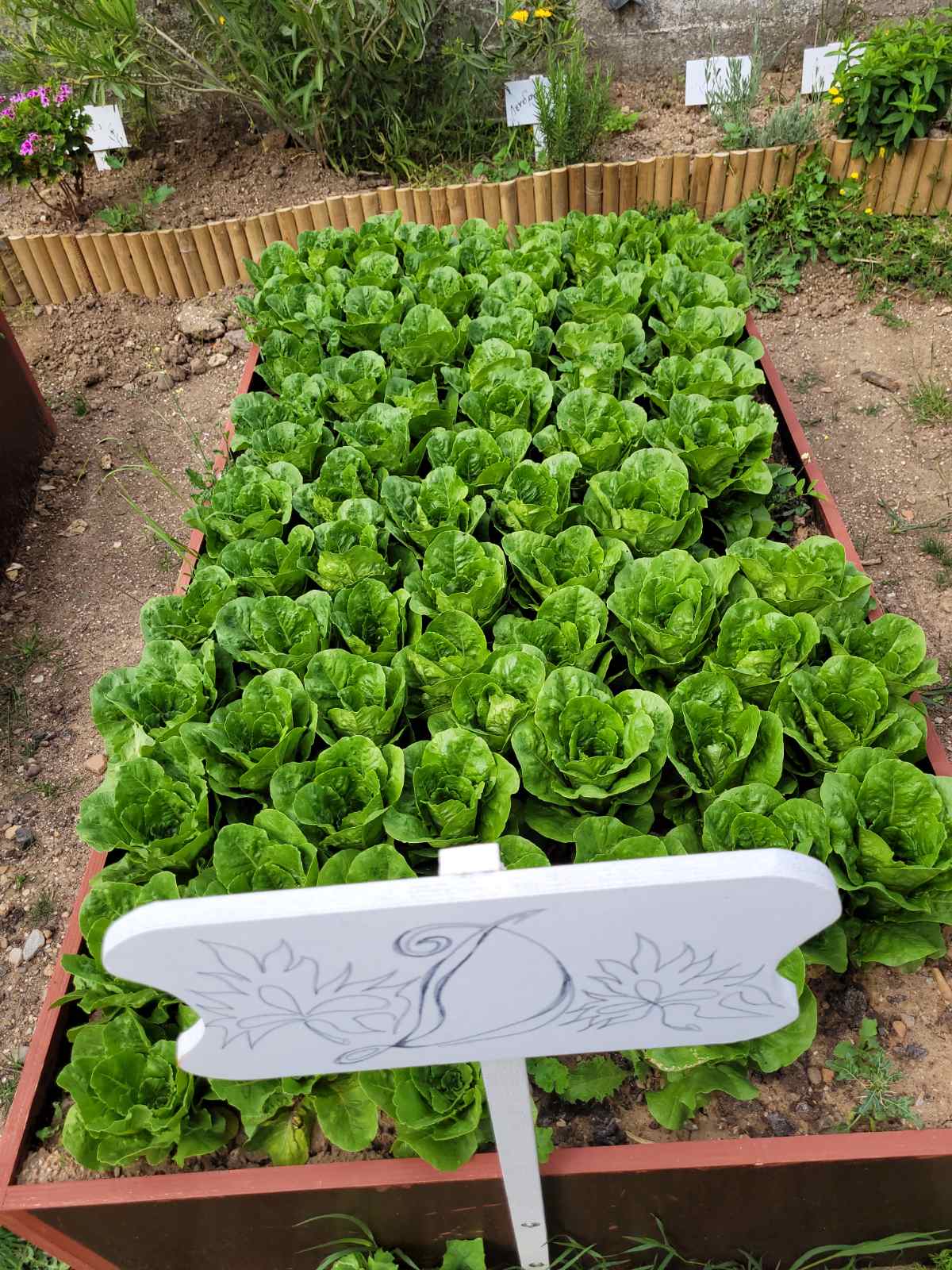
9. Creating a vegetable garden
Steps:
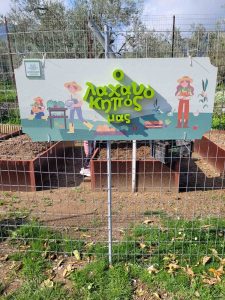
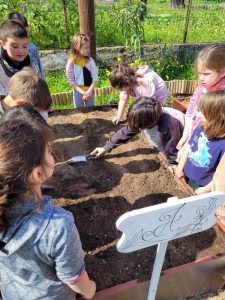
1. Construction of a vegetable garden (box)
2. Planting vegetables according to season e.g. cherry tomatoes, arugula, fresh onions, strawberries
3. Harvest
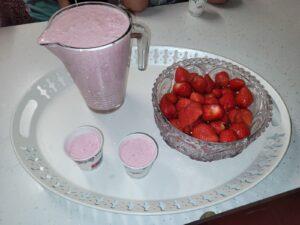
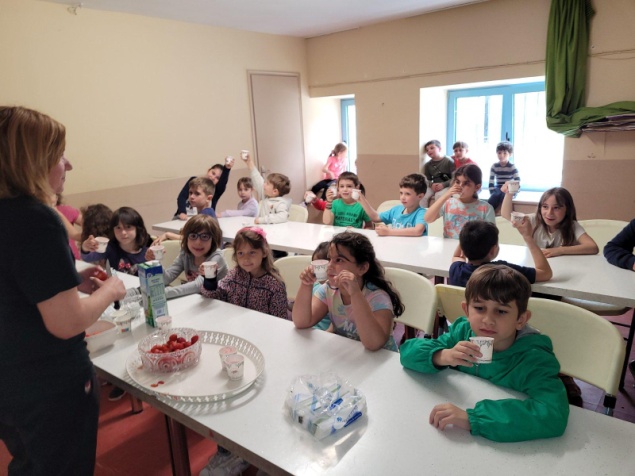
4. Making breakfast with products from the garden
5. Creating a salad from fresh vegetables
6. Discussion of the benefits of a healthy diet

10. Making breakfast with products from the garden
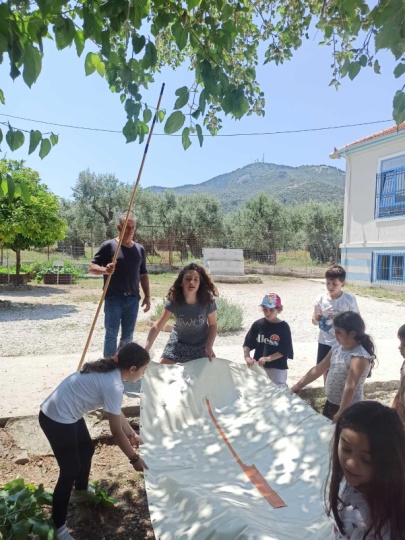
11. Utilization of the fruits of the school
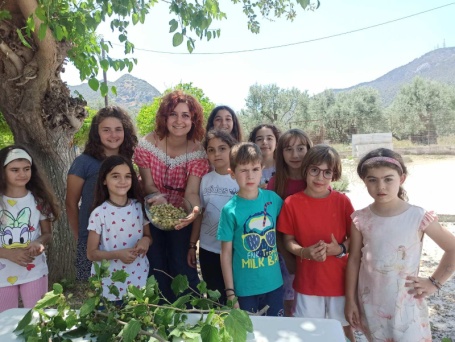
1. Picking the berries and distributing them to the pupils
2. Picking mandarins and making jam
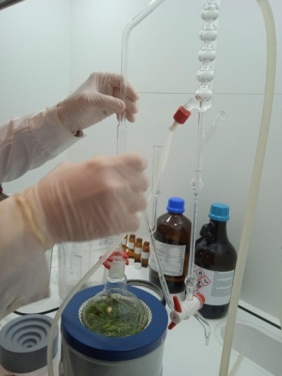
3. Gathering of lavender, drying and creating extract from NatPro, a laboratory of NCUA University of Athens
4. Utilization of the extract for production of green soap, which was given as a gift on Mother’s day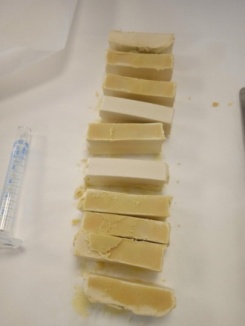

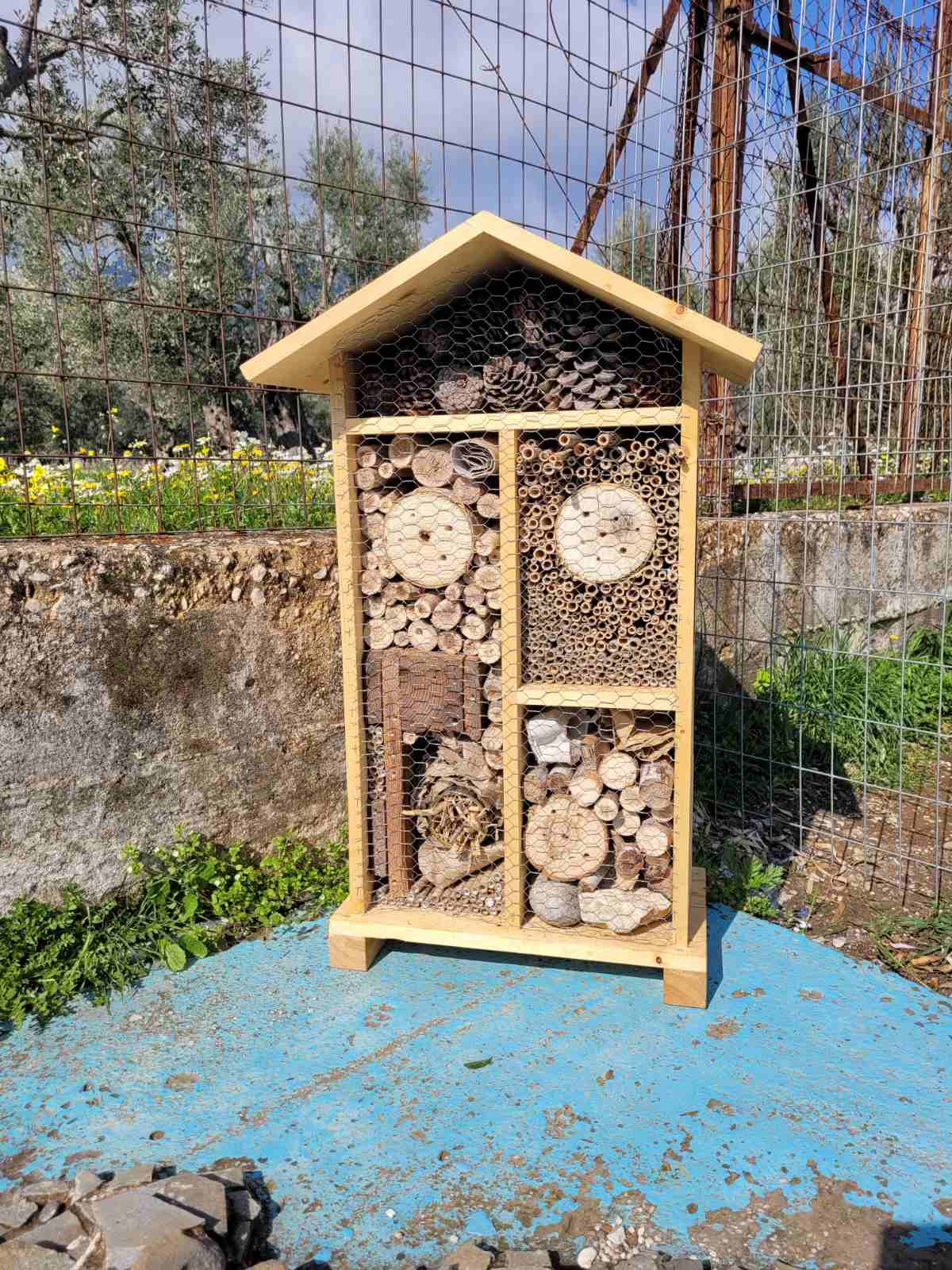
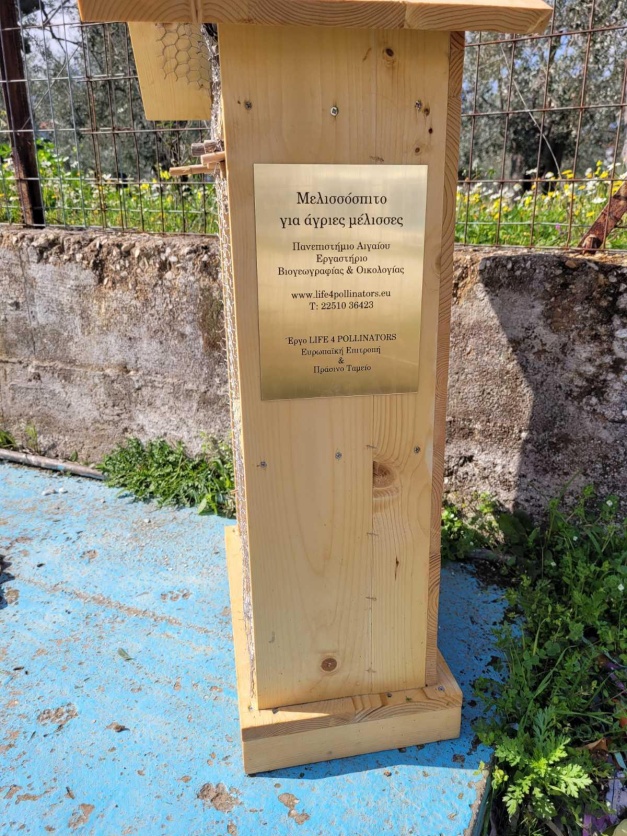
12. Construction of an apiary
1. Collection of materials necessary for the construction of the beehive (pine cones, stones, clay materials, corks, wood, reeds)
2. Construction of the apiary in cooperation with Prof. Petanidou from the Dep/ment of The Environment, University of The Aegean
3. Placement in special area of the school
4. Planting plants that favour pollination
5. Information from the University regarding Pollination
6. Observation of the placement and protection of insect pollinators
7. Recording of the occupied positions in the apiary
13. Organizing a Bicycle ride
1. Pupils are informed about the importance of exercise
2. Organizing the bike ride in cooperation with parents’ association of the school
3. Configuration of a special area at school for the storage of bicycles
4. Inform the Traffic Department about the action
5. Discussion on safe cycling
6. Complete the action and repeat it on a certain day of the month
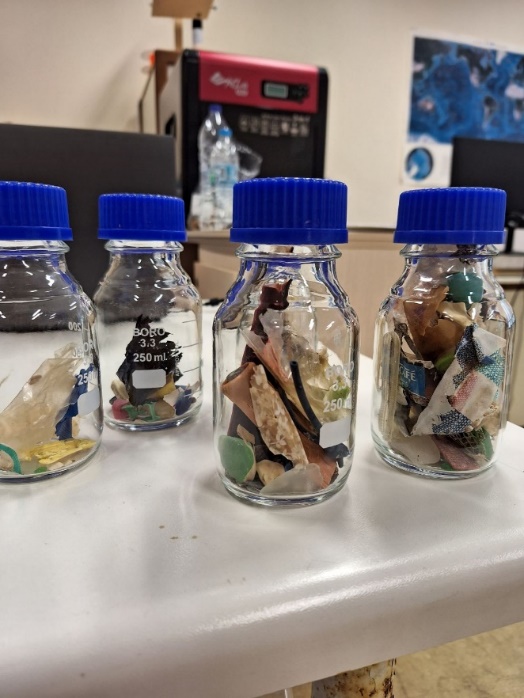
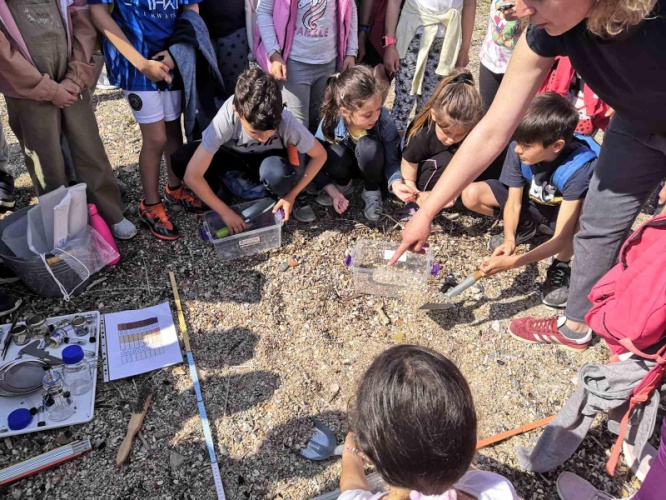
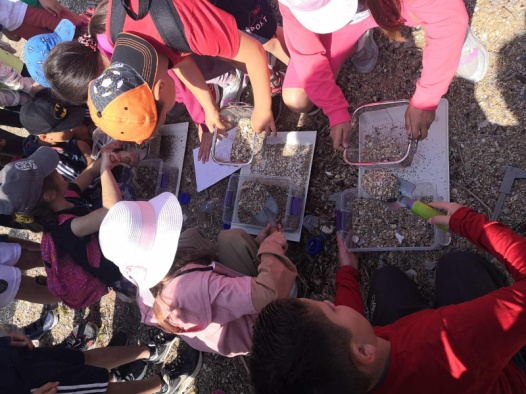
14. Collection of microplastics
1. Information from the University of the Aegean about the pollution of the environment due to microplastics
2. Organising a trip to the beach by the University of the Aegean, Dep/nt of Marine Sciences
3. Collection of microplastics dimensions from 2.5 cm to 3.0 mm
4. Separation of materials
5. Itemization
6. Discussion of the results and the environmental impacts
15. Creating Experiments on the Effects of Ocean Pollution
1. Information about the effects of marine pollution
2. Create an ocean pollution experiment
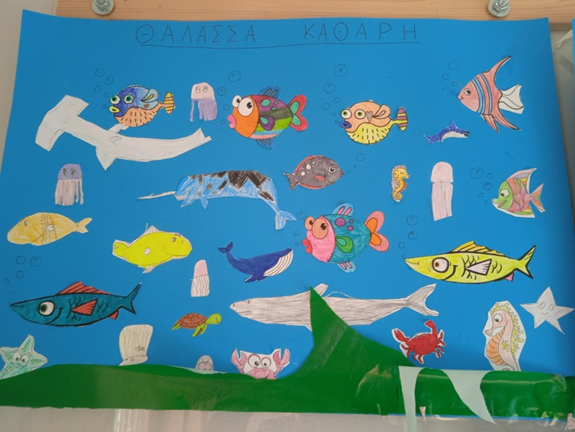
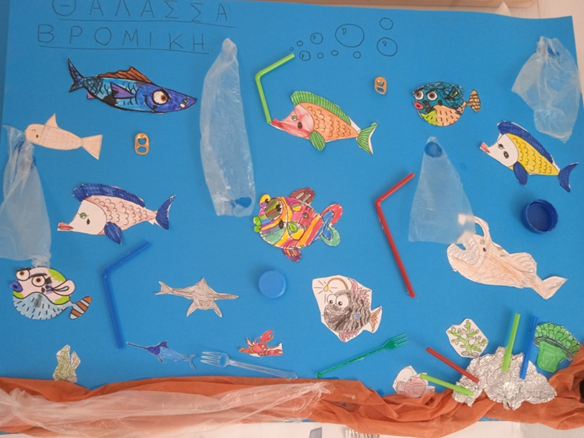
3. Constructing a visual model to identify the differences between clean and dirty sea
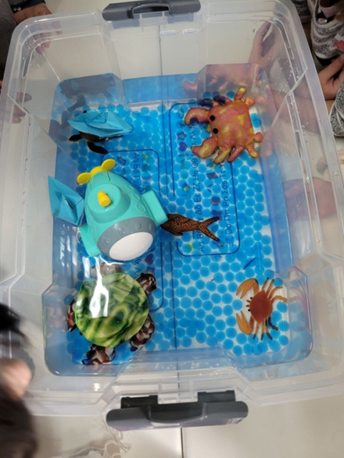
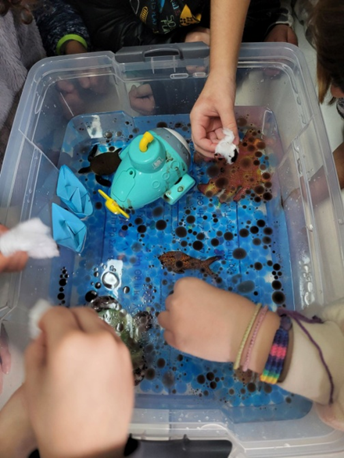
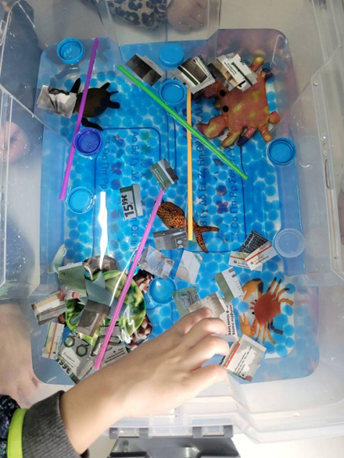
16. Constructing a visual model to identify the differences between clean and dirty sea
17. Protouli olive mill
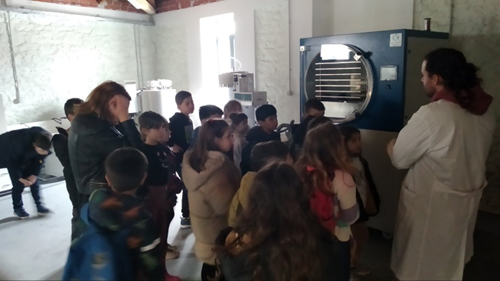
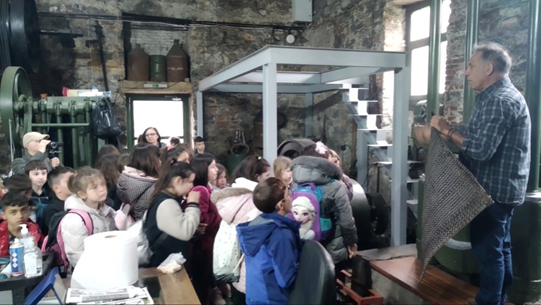
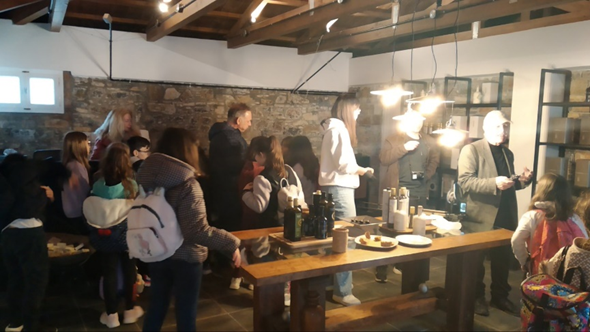
A joint group of Teachers of the Primary School of Varia Mytilini and animators of CREATION CounSep. visited 22-3-2023 the Protouli ecological olive mill, in Trigona, Plomari Lesvos, accompanying 30 students from the Fourth and Fifth grade. They then visited the facility for processing distillates from the fruit and the olives of the University of Athens, at the facilities of the Modoussa cooperative in Perama, Plomari, Lesvos. The visit was organized on March 22, 2023 after preparation and cooperation of the teachers with the executives of DIMIOURGIA and the Aegean University.
Objective and application of Section a.1.
The specific objective of the action is the initial experiential acquaintance of the community of teachers and students with the productive processes of transformation of the olive from a natural fruit into goods for use in nutrition, personal care, health protection and therapeutic practices.
18. ArtExhibition
As part of the program, students made fish prints and presented them at the Municipal Theater of Mytilene. They also presented an artistic creation on the subject of land that has undergone ecological degradation and land in sustainability. With their creation, they expected to sensitize society on issues of ecological consciousness. The parents of the school also participated in the event and the city authorities visited it.
19. Meeting
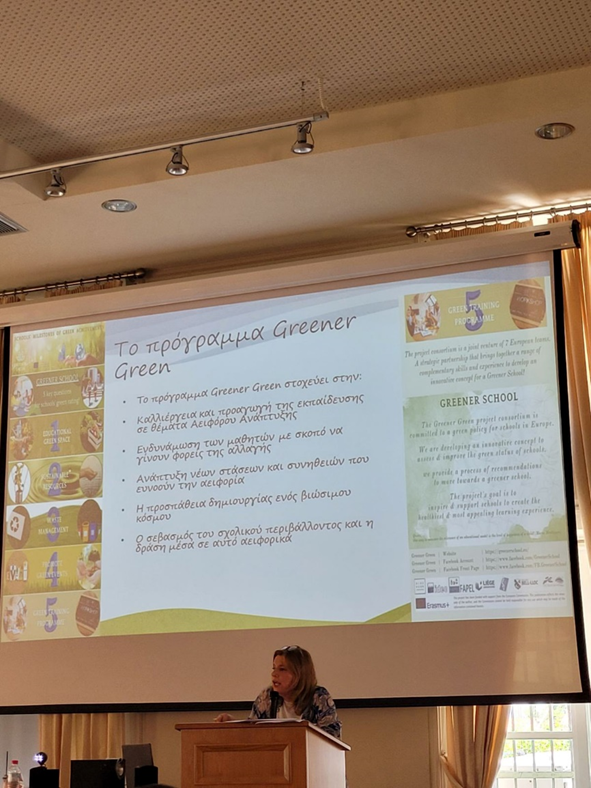
As part of the dissemination of the program, the teachers of the school organized a workshop on the diversity of nature as a tool in education and art. The event was attended by teachers of the island and were informed on biodiversity issues by Professors of the Universities of the Aegean, Cyprus and Macedonia.
20. Interviews and articles
The school regularly informs the local press about the activities it carries out within the framework of the project.
We quote the corresponding links:
21. Participation in an art exhibition on Biodiversity
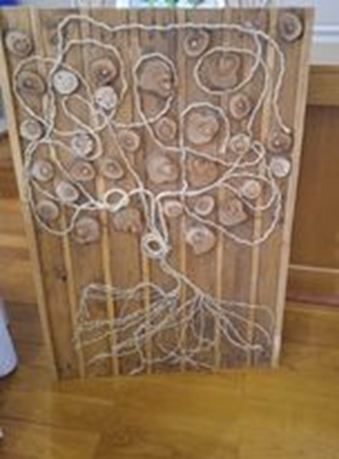
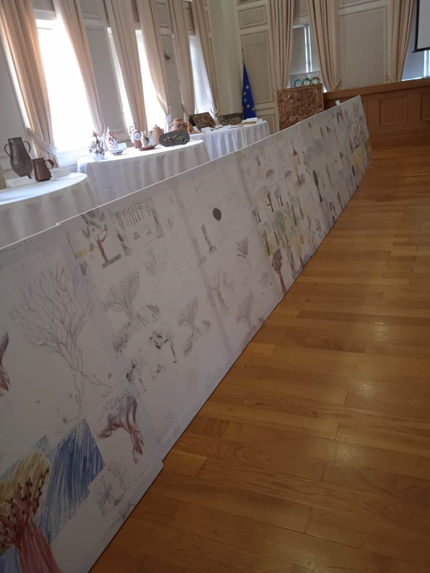
The school participated in an art exhibition on Biodiversity in collaboration with KOIN-SEP Dimiourgia, which was presented to the public and to students of the island. The students constructed visual olive grove.