Module 2.5: Reading
Introduction
Our transport choices have a major impact on our carbon footprint. We can make our cities cleaner and help the environment (and often our own health) by implementing innovative and digital solutions for public transport, cycling, walking and other forms of clean mobility.
Environmentally friendly transport helps to reduce carbon emissions, reduce energy consumption and improve air quality, particularly in cities.
A massive transformation is already underway with many innovative ideas. Many European cities are implementing simpler, safer, healthier and cheaper solutions to fossil-burning vehicles, such as sharing electric vehicles, bicycles and e-bikes, green buses and trains, and even laying hundreds of kilometres of new cycling lanes.
Learning Outcomes: By the end of this sub-chapter you will
· understand the environmental issues with different modes of transport
· know some ways that schools can help reduce transport emissions
The transport sector is Europe’s second largest emitter of greenhouse gases, contributing more than a quarter of all emissions on the continent. Within the tourism sector, transport accounts for 75% of the global emissions, of this 40% is attributable to air travel. Transport is therefore a key driver of climate change.
Travel less and stay local
Cars, buses, motorbikes and aeroplanes are the most destructive ways to travel for our environment. However at this time they are the most commonplace, cheapest and easiest methods of our everyday busy lives, so it can seem very difficult to see an alternative. One way to reduce our carbon footprint is to travel less to begin with.
Schools can help people to travel less by creating an ecologically effective transportation system for their schools, and also by educating children about ways to reduce travel with their families.
Making School Transport more efficient
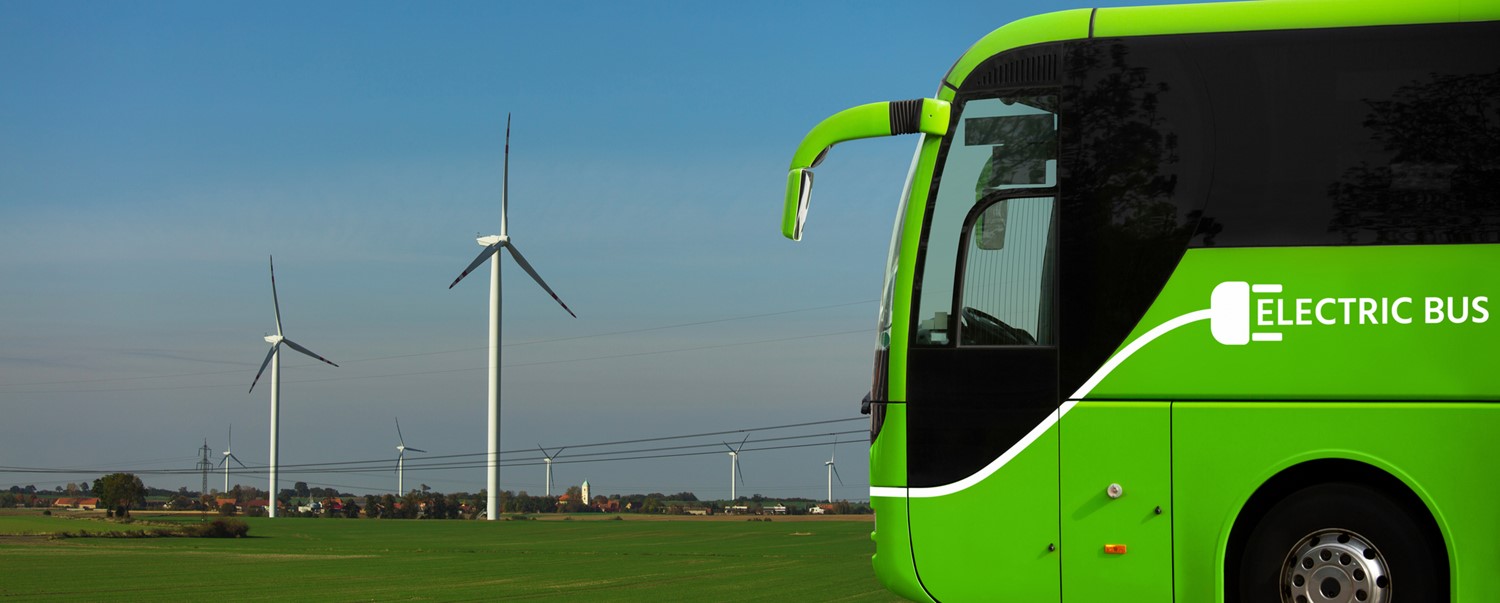
Short trips in petrol and diesel cars as these are amongst the highest polluting journeys and the least fuel efficient per kilometre mile. They also cause congestion and pollution outside schools, areas that we need to keep clear for the safety and health of school children.
· Schools can use effective bus services to reduce the number of vehicles travelling to school
· Ensure they only use modern, efficient and well-maintained vehicles to keep emissions to a minimum
· Consider introducing electric school buses in the future, which are being tested in places like Poland, read more here https://www.sustainable-bus.com/electric-bus/its-time-for-electric-school-buses-in-poland-a-second-vehicles-sold-by-solaris/
· Continually re-evaluate bus routes to reduce unnecessary journeys
· Schools can encourage and promote car-sharing amongst teachers and parents to reduce the number of vehicles
Promote walking and cycling
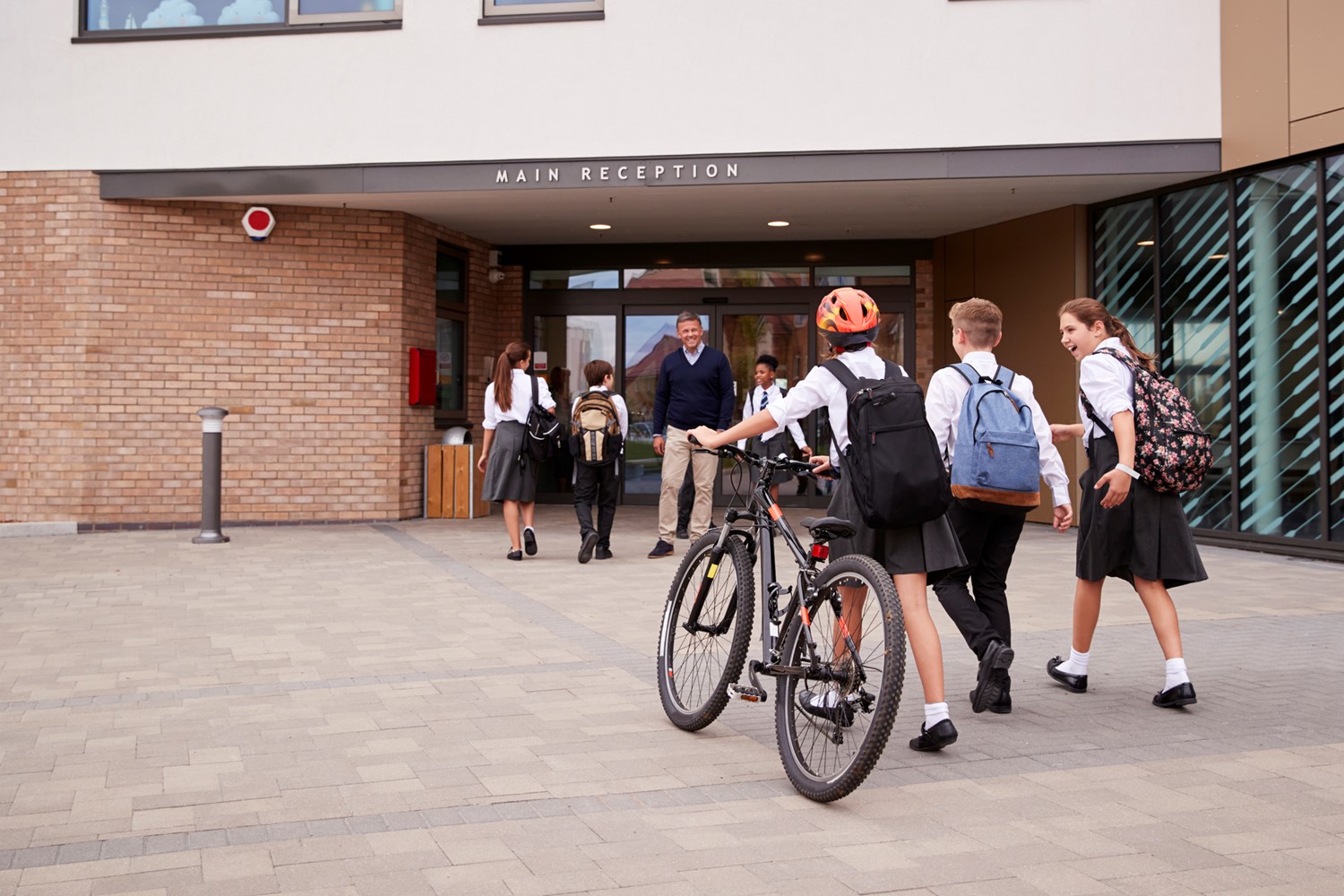
Many people often live within walking distance of their school, but still choose to take the car. Schools can be more pro-active to encourage all people within a local distance to walk or cycle.
· Schools can encourage ‘walking buses’ or ‘bike buses’ where children can walk or bike in an organised ‘ bus’ to school. Read this article about bike buses in Spain here https://www.euronews.com/green/2022/11/29/what-are-bike-buses-and-why-are-kids-jumping-out-of-bed-to-join-them
· Schools can set up cycling proficiency training for children and create safe cycling routes to schools
These efforts do add up to make a big difference in reducing carbon emissions. However, some people still need to drive cars and we still need public transportation.
Promoting the use of more eco-friendly transport
People are already walking and cycling more, not only to help the planet but also for health. So when a car must be used, we can reduce emissions by the type of car we drive (size and shape), the type of fuel we use and how we maintain our vehicle. Schools can help to manage morning and afternoon drop offs and collections and encourage staff to be more eco-friendly in their transportation choices by:
· Promoting parents to arrive in smaller and lighter cars that are more fuel-efficient and so produce less emissions
· Promoting Electric Vehicles (EV) which are more efficient, particularly when charged with renewable energy. Schools can provide charging points for staff to encourage them to switch to an EV.
· Asking all cars to turn off their engine when stopped, especially around the school entrances. This directly reduces the emissions around the school area, helping the environment and making it more pleasant for everyone.