Module 2.2: Reading
Introduction
We use energy every day and it is a part of our modern life. What type of energy we use varies depending on the country we live in and how we live. Reducing greenhouse gas emissions related to energy can be divided into two categories:
· by opting for cleaner energy sources (by replacing fossil fuels with non-combustible renewable sources)
· by reducing the overall consumption of energy through energy savings and energy efficiency gains
Learning Outcomes: By the end of this sub-chapter you will understand
· What types of energy we use and how we can change to renewable options
· How to reduce the energy consumption of your school
What types of energy do we use?
Watch this video https://ec.europa.eu/eurostat/web/interactive-publications/energy-2023#electricity-production (1.47) to see how electricity is produced in the EU.
Renewable energy is energy derived from natural sources that are replenished at a higher rate than they are consumed. Sunlight and wind, for example, are such sources that are constantly being replenished. Renewable energy sources are plentiful all around us. Fossil fuels - coal, oil and gas - on the other hand, are non-renewable resources that take hundreds of millions of years to form. Fossil fuels, when burned to produce energy, cause harmful greenhouse gas emissions, such as carbon dioxide.
Generating renewable energy creates far lower emissions than burning fossil fuels. Transitioning from fossil fuels, which currently account for most emissions, to renewable energy is key to addressing the climate crisis. Renewables are also now cheaper in most countries and generate three times more jobs than fossil fuels.
The main common sources of renewable energy are:
· Solar energy - convert sunlight into energy
· Wind energy - captures the energy of the wind and convert it to electricity
· Geothermal energy - heat that is generated within the Earth.
· Hydro energy - a form of energy that harnesses the power of water in motion
· Tidal energy - produced by the surge of ocean waters during the rise and fall of tides
· Biomass energy - derived from burning organic material such as trees, plants, and agricultural and urban waste.
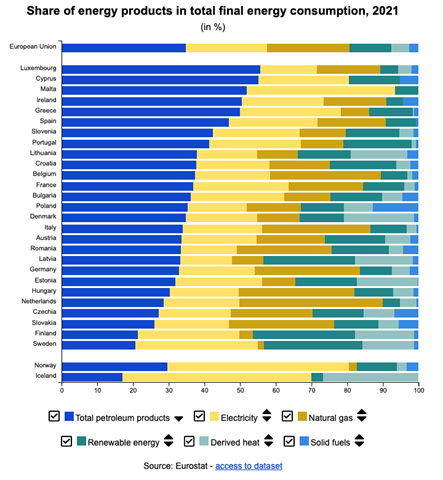
This article https://ec.europa.eu/eurostat/web/interactive-publications/energy-2023 shows a breakdown of the way different countries in Europe consume energy. From this diagram we can see that Europe is on a path to reduce the greenhouse emission fuels and increase renewables, but it is taking time.
How can I use renewable energy sources in my home and school?
Choosing renewable energy sources for our school’s electricity and heating is a great way to reduce our carbon footprint and make our schools more sustainable. Here are some ways schools can do this:
· Solar energy
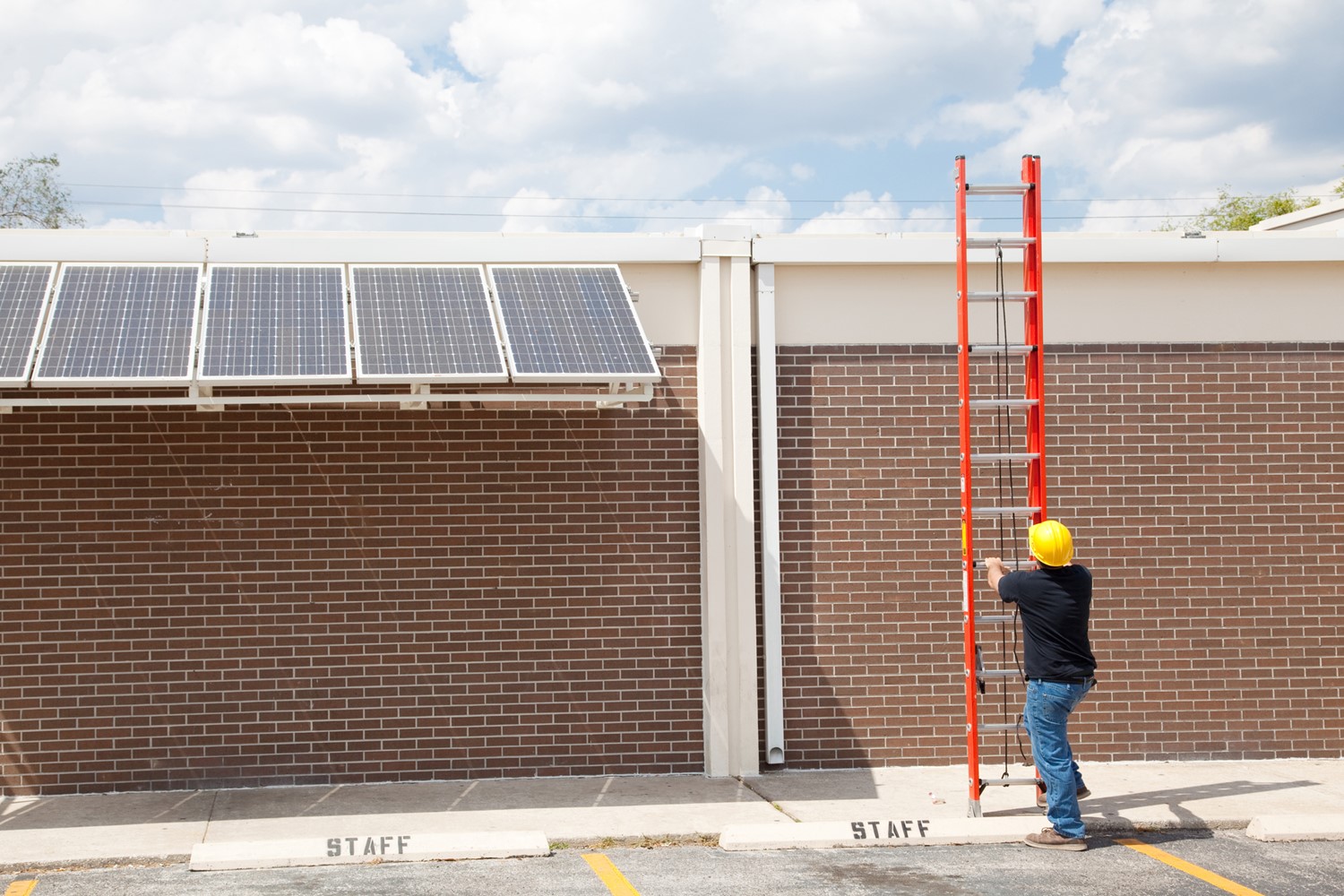
Schools can install photovoltaic panels on their roof to generate electricity. Generating your own clean electricity with solar panels gives you the power to improve your sustainability, reduce your reliance on the grid and cut electricity bills. Schools can choose to purchase their own solar energy system or to invest in a PPA (Power Purchase Agreement). A solar power purchasing agreement (PPA) is a great way to get a solar panel system without having to buy one outright and enables schools to have discounted electricity.
· Solar heating
Solar energy can also be used to provide hot water and heating all year round. Solar heating systems use solar panels that can be fitted to your roof, mounted on a free-standing frame or even hung from a wall. The power they generate heats up water that is stored in a hot water cylinder.
· Air source heat pump
An air source heat pump is a renewable energy system that uses the heat from the outside air to provide heating and hot water – working in a similar way to a fridge but in reverse by extracting energy from the air and using it to warm your home. It’s a more sustainable heating option compared to traditional oil or gas heating. It uses electricity as an energy source which enables the ability to combine renewable electricity generation sources such as solar or geothermal energy.
· Green energy
If it is not possible to adapt your school to any of these self-generating energy solutions, then the alternative is to use an energy supplier who promises to only use green energy. However, it is important to check this thoroughly as many companies can often overstate the environmental benefit of the electricity they supply. Many companies also claim carbon offsetting, where they pledge to plant trees to offset their carbon emissions. This isn't actually renewable, but it is green.
You may need approvals, such as planning, to install equipment on the land and buildings. Different tenures or controlling interests can affect how you can use the land and buildings. However, changing to renewable energy alone is not enough, as we must also take care to reduce the amount of energy we use so that less is needed to be produced.
Improving energy efficiency
There are many simple and straightforward ways that you can save money and become more sustainable. Some of these will be through changing behaviors and culture, but equally importantly can be through more active management of buildings, plant and equipment along with strategic planning.
Watch this video about energy
efficiency
School Community Energy Efficiency
The global focus on environmental issues has generated a lot of interest and support within schools to change behaviours. Many schools have active pupil and staff engagement which allows them to translate general concerns about the environment into practical action within their schools.
Developing a green policy will help to show commitment to energy efficiency and empower staff and pupils to make changes with support from senior leaders. Your green policy could include:
· mission statement
· objectives and targets
· roles and responsibilities
· a framework for action planning
· milestones to review progress
· resources
Share energy information with pupils and school staff

Encourage shared ownership of the issues by involving staff and pupils. To identify where energy savings can be achieved, it is best to start by looking at how energy is currently being used. Make staff and pupils aware of the energy they are using, and what it is costing in both monetary and environmental terms. Help them understand how their habits have an impact on energy use and how changing them can have a positive effect. Encourage and reward ideas and activities that will reduce energy use.
Many school energy schemes have been created and are managed by pupils, making the most of their enthusiasm and creativity. Teachers can bring energy information into lesson plans, most obviously within science or maths lessons.
Engaging pupils with meter readings, energy management statistics and comparisons of numerical data helps them to improve numeracy skills and develop their own understanding of energy and how it is used. This can influence longer-term behaviour both at school and in the home.
Switching off lights
Lighting accounts for around half of the electricity used in a typical school. Start with the basics, such as switching off lights and electrical equipment when not in use. Other beneficial ideas include:
· Labelling light switches is a simple way to help ensure only required lights are turned on.
· Remove obstructions from windows and radiators to make best use of daylight and make sure heating systems are operating efficiently.
· Installing lighting controls
· Using occupancy lighting sensors in areas that are infrequently used such as cloakrooms and toilets
· Replacing failed lamps with more energy-efficient ones, which last longer. LED lights use up to 90% less energy than traditional lamps but need careful specification. They can also last up to three times longer than compact fluorescent lamps (CFL) saving maintenance and downtime costs.
Many schools have groups of ‘eco-champions’ or ‘power rangers’ who check at the end of each day for equipment or lights that have been left on, switch them off and inform the staff responsible. Others create some healthy competition, for example by using graphs to compare energy use in different sites or buildings.
Set targets and recognise success. Where monitoring shows that a difference has been made, celebrate and help to maintain enthusiasm for going further.
Manage information and communications technology (ICT) loads
The use of ICT in schools is growing rapidly. ICT equipment not only uses electricity directly, but often places further demands on electricity needed for lighting and cooling. The electricity used by ICT can be significantly reduced by selecting energy efficient equipment and enabling power management features.
Rooms with interactive whiteboards should be set up to allow users to quickly and conveniently manage blinds and lighting.
Appliances should be switched off at the wall where possible to conserve energy. Computers in classes and ICT rooms must be switched off after use and especially at the end of the day in a routine fashion.
School Buildings and Management
Using existing heating or lighting controls effectively can reduce energy wastage, save money and reduce emissions by up to 40%. If a boiler is poorly operated or maintained, heating costs can increase by 30% or more. Here are some ways to keep efficient:
· Make sure it is serviced at least annually and adjusted for optimum efficiency. Reducing the temperature in a building by 1ºC will save 5% to 10% of the heating bill. Operating the heating systems for an hour less each day will save a similar amount.
· Make sure temperature controls are set and adjusted to reflect different uses and activities in different areas or rooms.
· Check timers so they reflect actual hours of use and are set to the right date and time (particularly after the clocks go forward or back).
· Reduce heating consumption by only heating areas of the building that are needed
· Make sure all sources of draughts are identified and appropriate draught proofing is fitted.
· Ensure thermostats are appropriately positioned, particularly where there have been changes to building layout. Thermostats placed in an area that is exposed to draughts will increase heating costs.
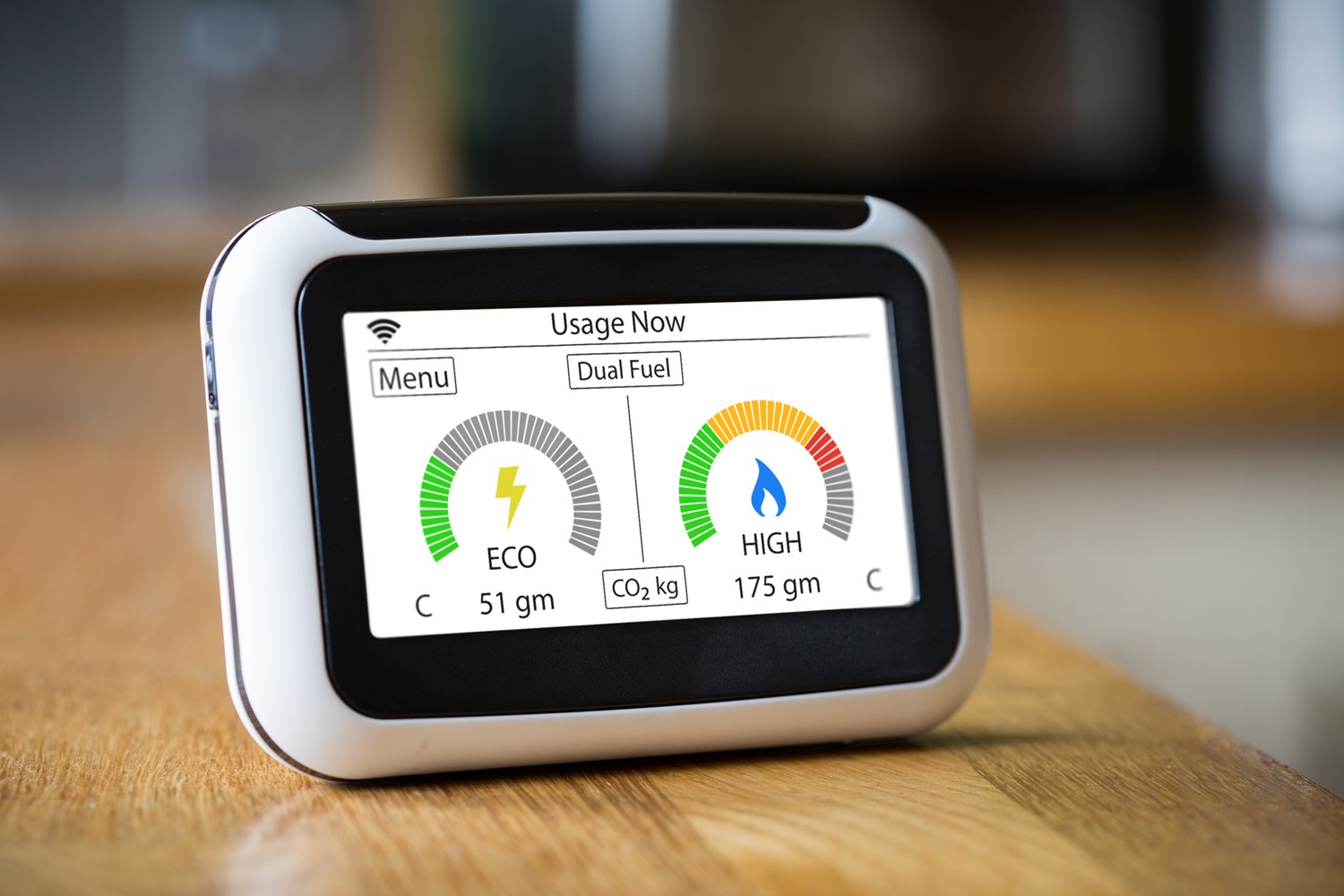
· Get a Smart Meter fitted as this will show you how much energy is used and when. This will help you to understand your energy use and how it can be reduced.
· Monitoring meter readings regularly is a low or no cost measure that enables you to monitor energy uses and patterns. The data meter readings provide can also be used for teaching and learning.
· If the room is too warm and the heating is on, adjust the temperature control rather than opening windows.
· Poor control of a space can lead to discomfort, so it is important that staff understand how to adjust the temperature, ventilation and lighting in their spaces so that conditions can be adjusted to achieve the desired comfort levels.
· Understanding and analysing your bills will help you:
o check they’re accurate and based on actual meter readings so you only pay for what you use
o understand if energy usage is up or down compared to previous years
o identify unexpectedly high or unusual patterns of energy use so that quick action can be taken
o minimise energy wastage
· Adapt buildings to be fully insulated with energy efficient windows, doors and heating systems, shading and draft proof. There are often many local government initiatives available to help with these costs, such as the Cyprus Energy Agency see here https://www.cea.org.cy/en/