Module 2.6: Reading
Introduction
The effects of climate change such as floods, rising sea levels, shrinking ice fields, wildfires and droughts are all water related. As well as fighting climate change, sustainable water management is central to building the resilience of societies and ecosystems. However, in the current climate predictions, safeguarding the water we have in the supplies we need for a global population set to reach 10 billion by 2050 will be a challenging task. Watch this video from Irish Water to understand more.
Our Changing Climate and Conservation ¦ The Story of Water ¦ Irish Water
Learning Objectives:
· You will understand the importance of saving water
· You will know actionable ways to save water in your school.
The importance of saving water
Clean, fresh water is a limited resource. Many believe that our water supply is infinite, however our supply is quite the opposite. Only 2% of the Earth’s fresh supply of water is locked in ice caps and glaciers, while 97,5% of the earth’s water is saltwater. So, we humans depend on the tiny bit available as fresh water – an essential natural resource for life.
But we don't just use water for drinking. We wash in it, clean with it, and use it to produce everything from clothing to food. Crop production – including feed for livestock and biofuels – is putting a great strain on freshwater supplies. As our population continues to grow, demands on precious water resources increase. There are many opportunities to use water more efficiently without reducing services.
In addition, the
water we use is treated which takes energy and financial cost, so by reducing
the amount of water we use, we avoid wasting additional energy and can save
money.
Ways to save water
Waterwise research suggests that up to 3,100 litres of water can be saved every day in every school. Some actions include:
Creating an Education and Action Group
Ongoing and successful water savings depend on a coherent, long-term water action plan with well-defined and achievable targets. This is best done by involving the whole school community, including children, teachers, management, staff, parents and the local community together. This way changes that are undertaken can be monitored and evaluated, everybody is more engaged and enthusiastic, and everyone can join in celebrating the success of the project. The group can:
· Read and check the school water meter – involving the students if possible. By checking this it is possible to measure how much water is being used over time.
· Regularly check for leaks and leaky taps
· Educate children and the community about water around the world, how much we use and how water is processed so it is safe for us to use
· Educate children and the community about what should not be flushed or poured down toilets and sinks such as wet wipes, fat, oil, cotton buds etc.
Lots of great resources to teach children about water are available at Wateraid.org
Drinking, Washing and going to the Toilet
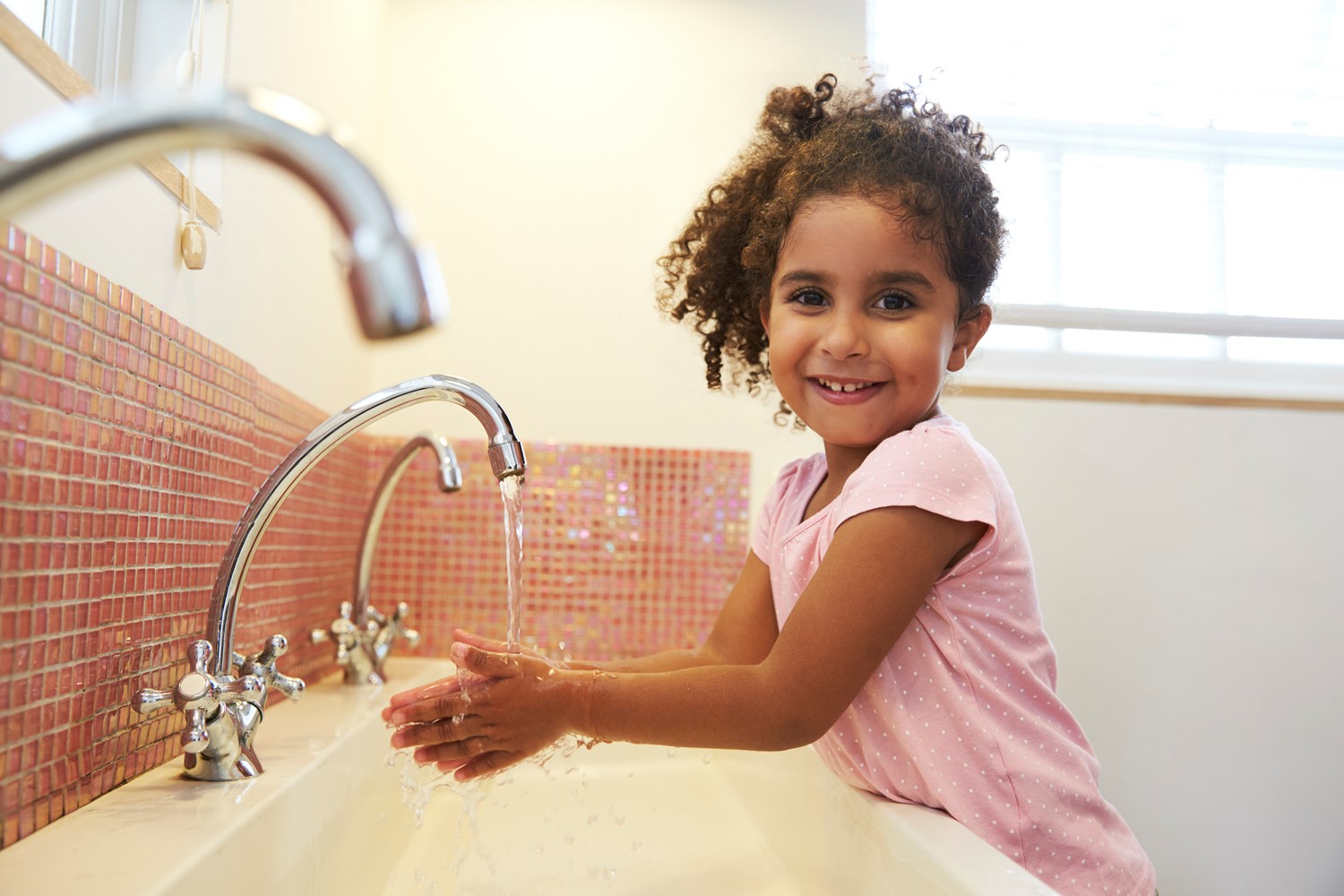
Most of our water use is through drinking, washing and going to the toilet. We often don’t think about the amount of water we use in one day. In fact, the average amount per person is roughly 100 litres per day. We can reduce this by:
· Using reusable drink bottles only and providing water drinking fountains around the school – this enables children to fill up and drink as they need, reducing waste (and also helps reduce plastic)
· Changing to eco taps or using aerators can reduce water consumption by over 50% with no negative effect on quality
· Changing to sensor-controlled or push-operated taps which automatically switch off
· Changing to low-flow toilets or use displacement bags in the cisterns to reduce water usage
· Buying plugs and washing-up bowls for all classrooms so that art materials can be cleaned without letting the taps run continuously.
Canteen and Cleaning Water Usage
It’s important to get everyone in the school involved with your water plan, including catering and cleaning staff. Ways to reduce water consumption are:
· Ask the canteen to reduce water use in food preparation by avoiding washing vegetables in a sink rather than under full-flow taps,
· Ask cleaners to sweep floors and only wash when necessary
· Buy water-efficient appliances such as dishwashers and ensure they are used at maximum load.
Recycling Water
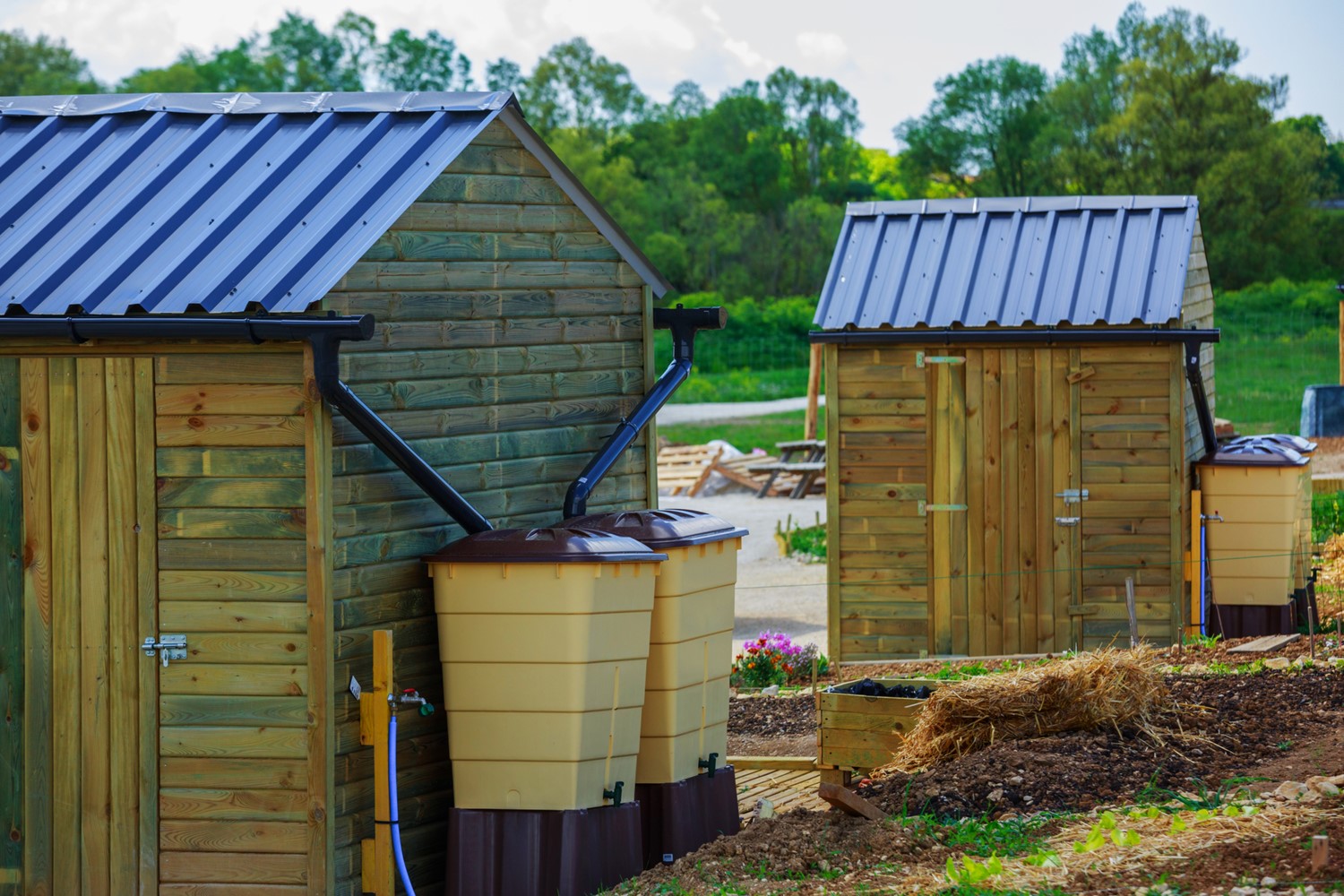
Whilst saving a lot of water is great, by recycling rainwater to use where non-treated water is able to be used, you can save energy and money by using less treated water. Some ideas are to:
· Install water butts to collect rainwater for outside garden watering, or even to be redirected to flush toilets.
· Redirect wastewater from sinks to the toilet cisterns