Unit 4 - Food preparation
4.5. Hygiene and food safety in dysphagia
4.5.1. Food hygiene and texture-modified diets
The need of formation on food safety
Professionals have a responsibility to ensure that they serve food that is safe and free of contamination.
Food safety, nutrition and food security are inextricably linked.
Unsafe food creates a vicious cycle of disease and malnutrition, particularly affecting infants, young children, elderly and the sick.
Hygienic preparation and serving of food is always paramount, but much more for those people suffering from dysphagia.
Users of dysphagia diets may be considered as part as at-risk groups, as they include in many cases, fragile infants and elderly, malnourished individuals. They cannot tolerate even small levels of microbial contamination.
Appropriate hygiene must be applied as necessary during all stages preceding the consumption of food to ensure that it is safe.
Food hygiene and texture-modified diets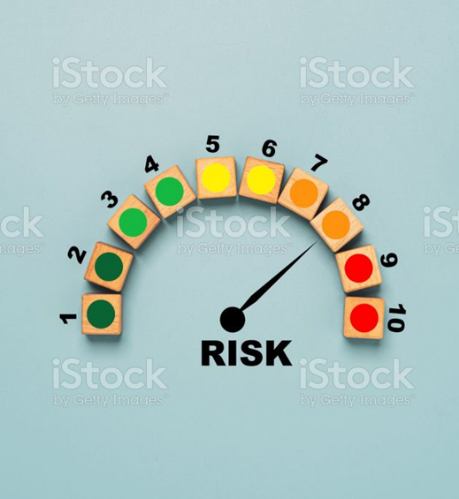
Characteristics of texture-modified food which imply a higher hygienic risk vs convectional food.
They are prepared using ingredients rich in nutrients for microbial growth
High Aw values, which facilitates microbial growth
They require from high manipulation
It is difficult to maintain a safe temperature during processing and serving
(Source: https://www.istockphoto.com)
What should we do?
All the operations applied to prepare the food should take particular caution to prevent food-borne illness caused by biological, chemical, or physical hazards.
But pay attention!
Contaminants cannot be seen with the naked eye. Many types of food contamination can cause illness without a change in appearance, odor, or taste of the food.
Cross-contamination happens when germs are transferred from one food item to the other, usually from raw food to ready-to-eat foods, by contaminated hands, equipment, or utensils.